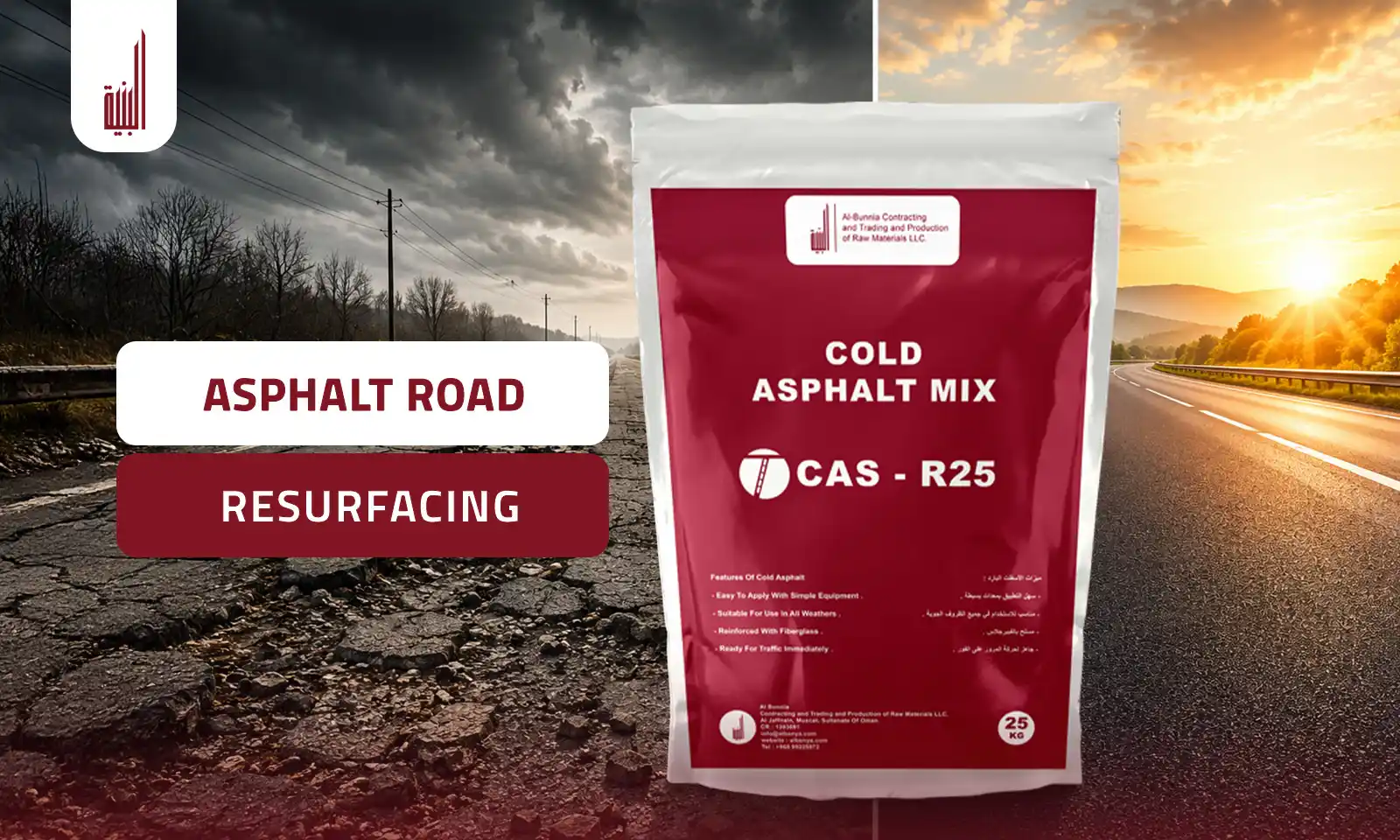
The quality of roads is a significant factor in road safety, comfort of travel, and future performance of transportation infrastructure. Roads are subjected to heavy traffic, weather changes, moisture, and surface abrasion over time, which erodes the pavement structure. Resurfacing is a practical and cost-effective solution that will restore the performance and appearance of damaged roads rather than a complete rebuild.
What Is Asphalt Road Resurfacing
Asphalt road resurfacing is a process that involves placing a fresh asphalt surface over an existing pavement surface to restore the functionality and condition of the road surface. This is done when the base of the road is intact, but the surface is showing signs of wear and damage.
Typically, the re-emerging process consists of
- Carry out surface inspection and examine.
- Cleaning and preparing the pavement
- Crack repairs and repairs of damaged areas
- Applying bonding materials
- Asphalt Overlay (Installing a new asphalt overlay)
- Waterproof it to make it waterproof.
It not only enhances the structural performance but also enhances the road appearance, and it is not as expensive as the total replacement of the road.
Common Areas That Need Resurfacing
The following are some of the most typical areas that require resurfacing.
- High-traffic roads
- Industrial facilities
- Commercial parking lots
- Residential communities
- Airport service roads
- The hubs for logistics and transport
Signs Your Road Needs Resurfacing
Early pavement damage detection is important for future avoidance of more costly repairs. There are a few tell-tale signs that something is amiss with the skin and might need to be resurfaced.
Common Signs Include
- Cracks that are visible on the surface of the pavement.
- The unevenness of the roadway and potholes.
- Signs of water accumulation after rainfall.
- Fading asphalt color
- Gravel or aggregate, free from binding.
- Reduced skid resistance
- Increased maintenance frequency
The pavement maintenance studies indicate that up to 30% of the long-term rehabilitation costs can be saved over delayed rehabilitation through preventive resurfacing.
| Road Condition | Recommended Solution |
| Minor surface cracks | Crack sealing |
| Moderate surface wear | Resurfacing |
| Deep structural damage | Reconstruction |
| Water drainage issues | Surface correction and resurfacing |
Benefits of Asphalt Resurfacing for Roads
A range of benefits exists for both operational and financial reasons for public and private infrastructure resurfacing projects.
1. Improved Road Safety
New asphalt makes for a smoother and more slip-resistant road, providing improved traction and visibility. This will minimize the possibility of accidents due to potholes, uneven pavements, or deterioration of the surface.
2. Extended Pavement Lifespan
With proper road surfacing, the service life of a road can be extended by 8-15 years, depending on traffic volume and maintenance practices.
3. Reduced Maintenance Costs
When infrastructure is surfaced on time, there is less need for an organization to have to patch and repair infrastructure on an emergency basis, thereby allowing them to handle infrastructure budgets more effectively.
4. Better Surface Appearance
New asphalt road surface enhances the visual appeal of roads and commercial properties, making them look cleaner and more professional.
5. Faster Project Completion
Resurfacing projects can be done more quickly than full reconstruction and have a lesser impact on traffic and daily operations.
How Resurfacing Extends Pavement Life
The problem with pavement deterioration usually starts at the surface, as a result of oxidation, water damage, and vehicle loading. When left unaddressed, they slowly impact the more fundamental layers of the road.
A professionally done asphalt road resurfacing will protect the pavement by forming a new layer of protection:
- Prevents moisture penetration
- Reduces oxidation damage
- Recuperates load distribution capability
- Becomes more agile with traffic stress
- Enhances surface drainage
Cost Factors in Road Resurfacing Projects
Several technical and operational factors influence the overall costs of resurfacing projects.
Main Cost Factors
| Factor | Impact on Cost |
| Road size and length | Larger areas increase material and labor costs |
| Existing pavement condition | Extensive repairs require additional preparation |
| Asphalt material quality | Premium materials improve durability but raise costs |
| Traffic management requirements | Complex traffic control increases project expenses |
| Equipment and machinery | Specialized machinery affects operational costs |
| Project location | Transportation and logistics influence pricing |
It may be a long-term investment, but resurfacing is usually a much cheaper option than a full pavement replacement.
Best Materials for Long-Lasting Results
The quality of the materials used in the resurfacing of roads plays a significant role in the performance of the road.
The most commonly used materials in resurfacing are as follows:
Hot Mix Asphalt
The hot mix asphalt has the advantage of high resistance to weathering, high durability, and good surface finishing and is widely used on high-traffic roads.
Polymer-Modified Asphalt
The material enhances flexibility and reduces cracking, particularly in regions that are subject to temperature changes and high traffic volumes.
Recycled Asphalt Pavement
The use of recycled asphalt materials in many modern projects is not only for enhancing sustainability but also for ensuring reliable performance.
Choose Albenya for Professional Asphalt Road Resurfacing Solutions
Albenya is a professional infrastructure and road construction company that offers solutions that are of the highest quality and performance. The company has a wide range of experience with asphalt usage and pavement projects and provides reliable resurfacing services for commercial, industrial, and public sector projects.
Why Choose Albenya
- Seasoned engineering and construction staff.
- To provide an overview of the advanced paving equipment and technologies that are available.
- High-quality asphalt materials
- Determination regarding project deadlines
- Long-lasting pavement solutions
- Consider safety and quality parameters
Contact Us
In search of dependable asphalt resurfacing solutions for your roadways and/or infrastructure project?
Contact Albenya today to discuss your project requirements and receive professional support from experienced road construction specialists.
FAQs
What is the difference between resurfacing and reconstruction?
Resurfacing adds a new asphalt layer over an existing pavement, while reconstruction involves removing and rebuilding the entire road structure.
How long does asphalt resurfacing last?
A professionally resurfaced road can typically last between 8 and 15 years, depending on traffic volume and maintenance practices.
Can resurfacing fix potholes?
Yes, resurfacing can repair potholes and surface damage when the underlying pavement structure is still stable.
Leave A Comment