
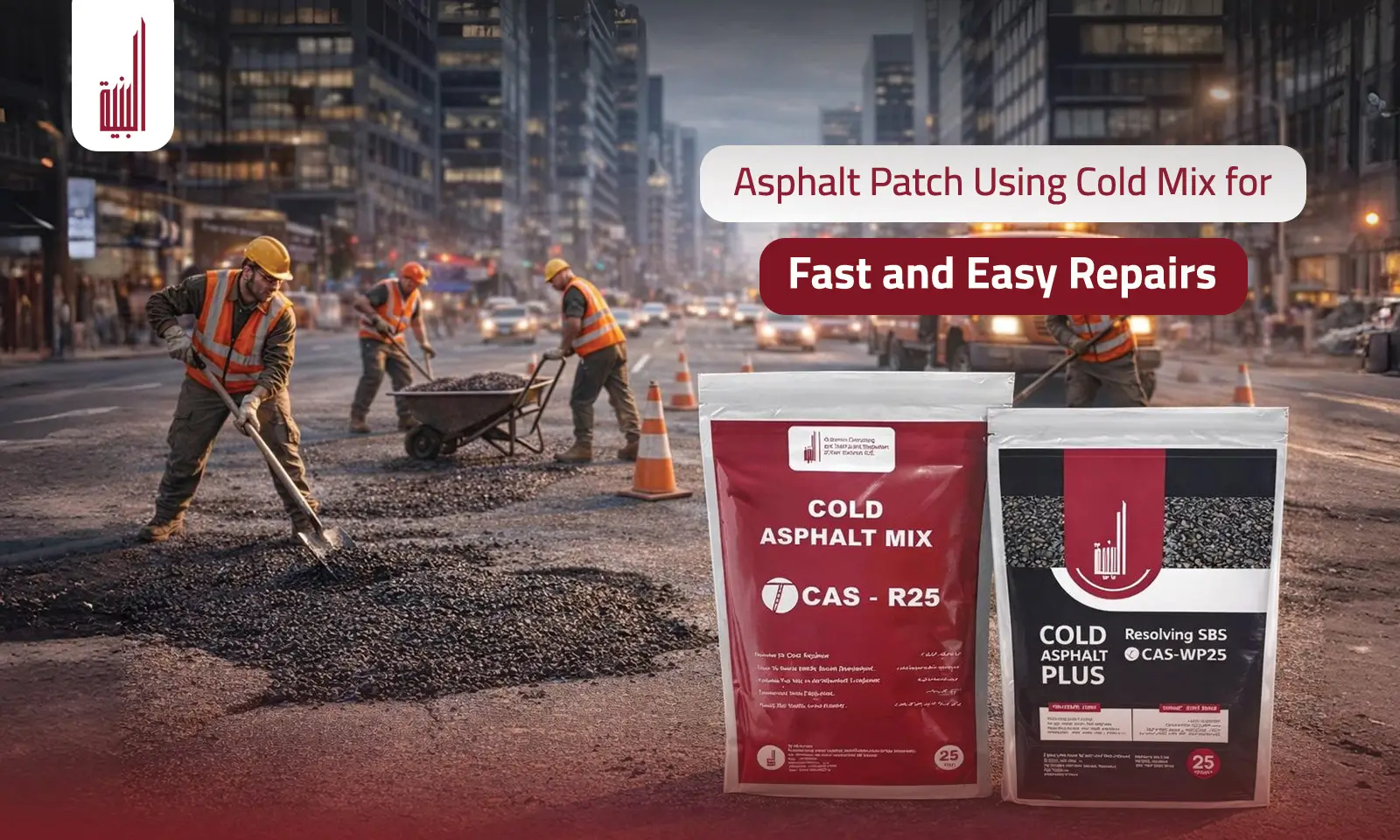
Asphalt patching using cold mix is a fast and practical solution for repairing potholes, cracks, and surface defects in pavements. The procedure is very popular where hot mix asphalt does not exist, or whenever urgent repairs need to be made. Cold mix asphalt can be used immediately with minimal equipment and is operational in a considerable number of weather conditions. It has a high level of flexibility and is easy to use, which is the reason it is a favorite compromise between emergency repairs and regular maintenance.
Does an asphalt patch work?
Yes, an asphalt patch can effectively restore surface integrity, improve safety, and extend pavement life temporarily. Its performance is a factor of good preparation, quality of materials, and compaction. Cold mix asphalt patches are ideal for temporary fixes in high-traffic or emergency situations.
What is the best material to patch asphalt?
Patching asphalt needs the best materials, which would consist of pre-mixed cold patch asphalt containing a temperature-stable binder, clean and well-graded aggregates, and adhesion and durability-enhancing additives. Proper cold mix that is made will have a longer-lasting repair and better performance.
Cold Patch Asphalt Benefits
Cold patch asphalt has many advantages, which make it an advantageous option for road repairs and emergency repairs. It is fast and easy to apply, and it does not require any heating; thus, it helps considerably to decrease the road time. It requires minimal equipment and is therefore applicable in remote areas as well as sites with restricted access. It also works under a wide range of temperatures, which enables repair to be done under different weather conditions. Cold patch asphalt can be used as a solution to both temporary and semi-permanent repair of pavements due to its speed, flexibility, and ease of use.
What are the different types of asphalt patching?
Before exploring the specific methods, it’s important to understand that asphalt patching can vary depending on the repair requirements, traffic load, and environmental conditions. The appropriate type is one that is durable and cost-effective.
- Cold patch asphalt: Temporary or semi-permanent repairs.
- Hot mix asphalt: Permanent solutions which repair, need heating and special equipment.
- Throw-and-roll technique: The patch is made of a cold mix and compacted by a vehicle.
- Semi-permanent: Intensive preparation and packed over permanent repairs.
How to make an asphalt patch?
Creating an asphalt patch requires careful preparation and application to ensure it bonds well and lasts as long as possible. The steps to follow are:
1. Clean the area affected by the damage and remove the loosely deposited material and water.
- Pour the cold mix asphalt into the defect.
- Use a hand tamper or the tires of vehicles to compact.
- Use layers of a thin layer when the patch is deep, and press each layer.
- You can let the traffic patch itself out slowly.
How long will an asphalt patch last?
The life of an asphalt patch is influenced by several factors, including traffic volume, quality of installation, and environmental conditions. Cold mix patches that are installed in the low flow areas will last more than one year, with some even lasting longer with the right type of maintenance. The engine life is also normally reduced in busy locations by vehicles wearing and putting stress on the engine. Ensuring proper compaction, cleaning the surface thoroughly before application, and using high-quality materials all contribute to extending the durability and effectiveness of the asphalt patch. Early wear can also be detected by regular inspection and service can be extended.
How to Get Cold Patch Asphalt to Harden?
Cold patch asphalt is developed in such a way that it hardens not by heat, but by mechanical compaction. The pavement surface should be clean and dry, without debris or water that may be intrusive to bonding, to give the best outcomes. It should be packed properly with hand tampers or vehicle tires, and performance can be improved by placing the material in thin layers in deeper patches. With time, the traffic also contributes to the further consolidation of the patch, enhancing its density and general strength. The above procedures will result in a more permanent repair and a patch that is more resistant to loosening, water infiltration, and wear.
Problems caused by the cold patching of asphalt
The cold patching can be somewhat difficult to use in maintenance and application. The performance and life of the patch could be impacted by issues like poor compaction, inefficient surface preparation or environmental conditions. Knowing about such probable issues, contractors and maintenance teams will be able to take some proactive measures to achieve improved adhesion, durability, and effectiveness. The knowledge of these problems enables the careful planning, use of suitable materials, and the proper technique of application, which, when combined with each other, minimize the threats of premature failure and enhance the quality of the work done.
| Problem | Description |
| Premature loosening | The patch may separate from the surrounding asphalt if not compacted correctly |
| Reduced durability | Heavy traffic can quickly wear down poorly applied patches |
| Water infiltration | Low-quality patches may allow water to seep in, causing further damage |
| Shorter service life | Extreme temperatures can accelerate patch deterioration |
| Temporary appearance | Improper application can make the patch visible and aesthetically unpleasing |
Albenya Company Expertise in Asphalt Patch Solutions
Albenya Company would assess every repair site in order to come up with the most appropriate cold mix asphalt solution. They pay attention to the traffic, environmental performance, and repair goals to provide the best performance. Their team provides technical guidance for effective and long-lasting asphalt patch repairs.
For expert guidance and professional asphalt patch solutions, contact Albenya Company today. Our specialists are ready to assist you with site evaluation, material selection, and implementation of the most effective cold mix asphalt repairs to ensure safety, durability, and cost-efficiency.
FAQs
Can an asphalt patch be used in wet conditions?
Yes, but surface water should be removed to ensure proper adhesion and durability.
Does a cold-patch asphalt repair last?
Cold patch repairs tend to be temporary or semi-permanent, particularly in high-traffic locations.
When can traffic use a cold-patch asphalt repair?
Traffic can be progressively used on the repair location when it is properly compacted; it will be fully hardened with traffic consolidation.

Leave A Comment