
Uncategorized
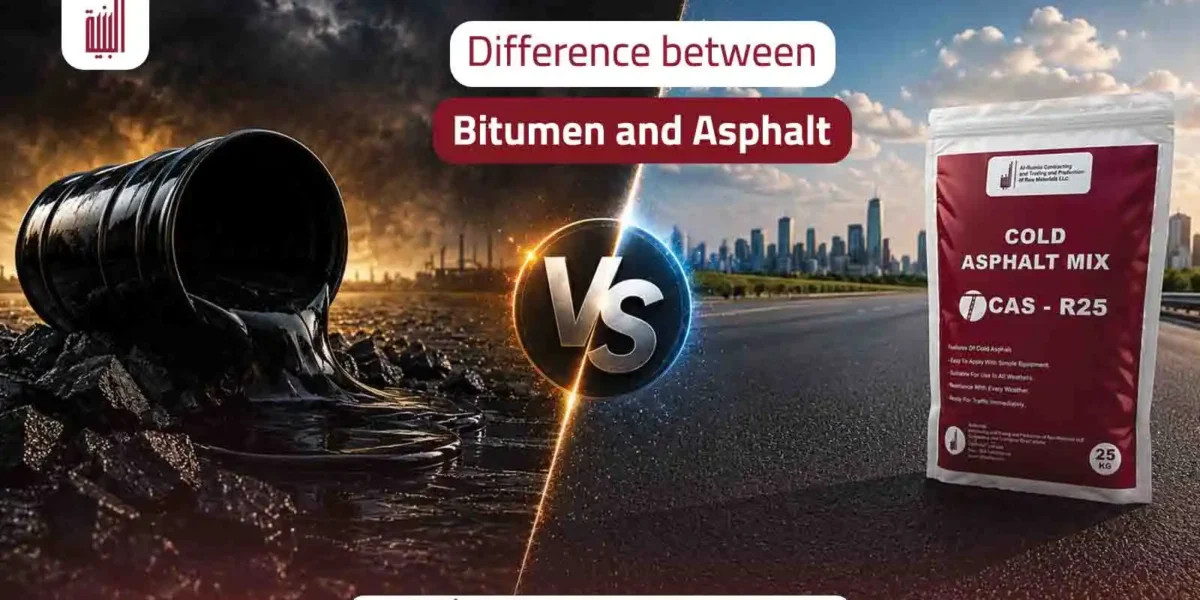
Difference Between Bitumen and Asphalt
It’s a question that often comes up when contractors, engineers, and property owners are working on a road construction or maintenance project: What is the difference between bitumen and asphalt? Both are used interchangeably, but they are two different materials used for different functions in pavement systems. By understanding the difference between bitumen and asphalt, professionals can make informed decisions on road repairs, pothole maintenance, and the performance of long-term roads
What Is the Difference Between Bitumen and Asphalt?
The first difference between bitumen and asphalt is that they are composed of different materials. Bitumen is a black, highly viscous petroleum-based material used as the glue in asphalt mixtures. Has the purpose of binding aggregates together and adds flexibility and water resistance.
Asphalt is the final product that is made up of bitumen and aggregates like crushed stone, sand, and mineral fillers. This combination creates the long-lasting surface that is utilized for roads, highways, parking lots, airports, and other paved surfaces.
| Feature | Bitumen | Asphalt |
| Material Type | Binder | Finished paving mixture |
| Main Components | Petroleum-based binder | Bitumen, aggregates, and fillers |
| Used Alone | Rarely | Yes |
| Primary Function | Binds aggregates | Forms the pavement surface |
| Common Applications | Asphalt production | Road construction and repairs |
Why Are Bitumen and Asphalt Often Confused?
The difference between bitumen and asphalt is often confused, since they are closely related, in particular during the construction of roads.
In many parts of the world, the term “asphalt” is used to describe the asphalt binder and the resulting asphalt pavement, and some people use the word “asphalt” for the asphalt binder. Confusion is caused by these regional naming differences.
Since bitumen is the ingredient that holds the pavement together, many assume it represents the entire paving material. But bitumen is not capable of providing a durable road surface without aggregates and fillers.
This distinction is important for engineers, contractors, and maintenance personnel to understand so they can make more accurate repair material specifications.
Difference Between Bitumen and Asphalt in Road Repair Applications
This difference between bitumen and asphalt is crucial in road maintenance projects.
The reason why bitumen alone cannot be used to fill potholes or repair damaged pavement is that it is not structurally strong enough to resist traffic loads. Rather, it is used as the binder in asphalt mixes.
Cold asphalt products consist of the carefully graded aggregates combined with bitumen to form an asphalt material that can be used straight from the drum to repair damaged roads in a quick and efficient manner.
Complete asphalt mixtures offer much greater performance than just bitumen when used for pothole repairs, parking lot maintenance, utility trench reinstatements, and surface patching.
How Bitumen Becomes Part of Asphalt Mixtures
It is essential to know the difference between bitumen and asphalt and the process used to make asphalt.
In the factory, the heated bitumen or specially formulated bitumen is mixed with aggregates in specific proportions and mixed thoroughly. This bitumen envelops each aggregate particle, creating a cohesive mixture that resists environmental stresses, moisture penetration, and traffic loads.
Advanced formulations enable cold asphalt products to be workable without heating and to retain shear strength and durability after compaction.
In this manufacturing process, bitumen can be used as a binding material and form a part of a complete solution for pavement repair.
Which Material Is Better for Pothole Repairs?
Asphalt is the obvious choice when it comes to pothole repairs, when compared to bitumen.
Bitumen is not sufficient to ensure the structural integrity of the pavement after damage. The strength of the mineral aggregates, however, is combined with the adhesive property of bitumen, which makes cold asphalt mixtures ideal for the repair of roads, highways, industrial facilities, parking lots, and commercial properties.
Premium cold asphalt products ease the transport process, do not need heating, and enable maintenance teams to finish repairs with less impact of traffic.
The benefits of the products make asphalt the most popular choice for most localized pavement repairs.
Choosing the Right Material for Long-Lasting Repairs
The type of repair material will vary according to project needs, traffic usage, and long-term maintenance objectives.
Knowing the difference between bitumen and asphalt allows the decision-maker to select a range of products that would be durable and cost-efficient.
High-quality cold asphalt may have several advantages for most repair applications:
- Quick installation no heating required.
- Good bond to existing pavement.
- Very resistant to water.
- Reduced traffic disruption.
- Lower equipment requirements.
- Reliable long-term performance.
Quality asphalt products increase pavement life, decrease maintenance frequency and reduce maintenance costs.
Discover Albenya’s Cold Asphalt Solutions
Albenya manufactures high-quality cold asphalt products designed for dependable, effective pavement maintenance on municipal streets, highways, industrial facilities, airports, commercial developments, and residential communities.
Albenya’s cold asphalt products are designed to be applied easily, bond effectively, and stay in place for a long time, allowing contractors and infrastructure maintenance workers to repair roadways quickly and efficiently without the hassle of hot asphalt.
From emergency pothole repair to routine maintenance, Albenya provides reliable products that ensure optimal pavement performance and minimize downtime.
Contact Albenya
Looking for a professional cold asphalt company for your next road maintenance job? Contact us today and learn about our high-performance products for rapid, long-lasting, and cost-effective pavement repair.
FAQS
What is the main difference between bitumen and asphalt?
Bitumen is the petroleum-based binder, and asphalt is the complete paving mixture of bitumen, aggregates, and mineral fillers.
Can bitumen be used alone for pothole repairs?
No. Bitumen is not strong enough for use in pavement repairs and is mainly used as a binder in asphalt mixtures.
Why are bitumen and asphalt often confused?
The different terms are sometimes used synonymously in different areas, although they are based on different materials.
Is cold asphalt suitable for permanent road repairs?
Yes. Properly installed and compacted, high-quality cold asphalt products offer long-lasting repairs.
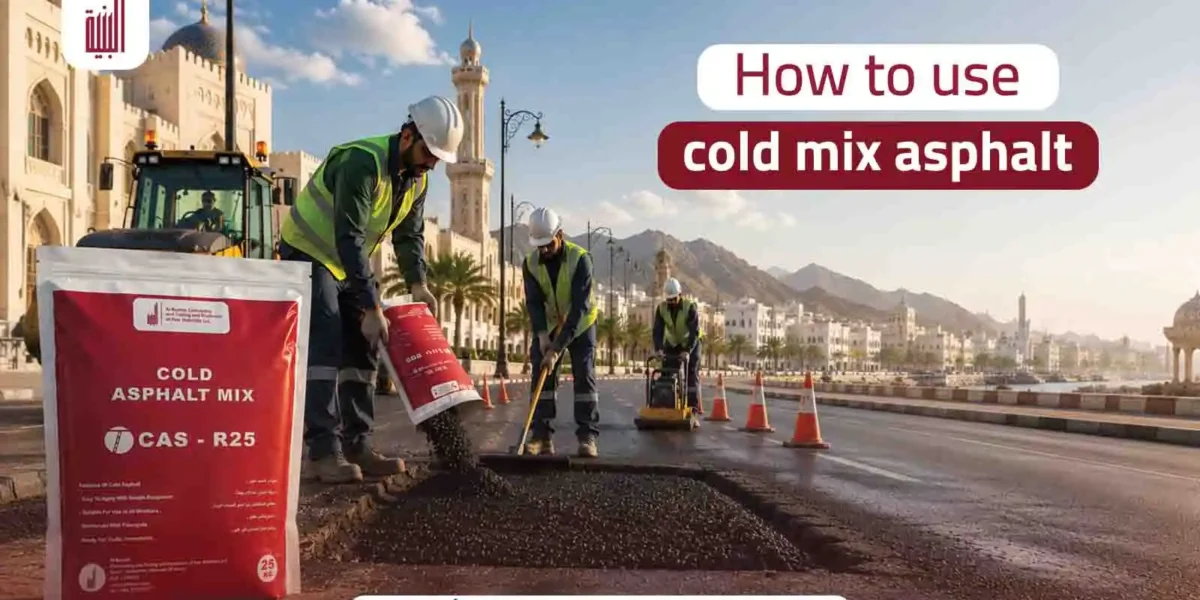
How to Use Cold Mix Asphalt
One of the most frequently asked questions by contractors, municipalities, facility managers, and property owners in search of a quick and effective solution to repair damaged pavement is “how to use cold mix asphalt?”. Cold mix asphalt is non-heated, unlike hot mix asphalt, and can be used in nearly any weather condition to repair potholes, cracks, and surface deterioration. It is a great solution for restoring road safety, extending pavement life, and reducing traffic disruption when used properly. This step-by-step guide will explain how to use cold mix asphalt, detail the required tools for cold mix, and explain best practices, as well as why Albenya’s cold asphalt products are the trusted choice for professional road maintenance projects.
How to Use Cold Mix Asphalt: A Complete Step-by-Step Guide
How to use cold mix asphalt properly will result in better repairs and a longer service life. It is simple to do but needs to be prepared and compacted properly.
Take these key actions:
- Examine the damaged area and calculate the size of the repair.
- Clear away loose asphalt, dirt, standing water, and debris.
- Spread the cold-mix asphalt into the damaged area.
- Spread the material evenly using a rake or shovel.
- Just overfill the repair area to allow compaction.
- Compact material with a hand tamper, plate compactor, or vehicle tires.
- Open surface to traffic once adequate compaction is reached.
One thing that is always mentioned when people ask “how to use cold mix asphalt” is that the top-quality product is best used when the surface is prepared.
| Repair Step | Purpose | Recommended Practice |
| Clean the area | Improve adhesion | Remove dust, loose asphalt, and debris |
| Fill the damaged section | Restore pavement | Slightly overfill before compaction |
| Level the material | Create an even surface | Use a rake or shovel |
| Compact thoroughly | Increase durability | Use a tamper, roller, or vehicle tires |
| Inspect the repair | Ensure long-term performance | Add more material if settlement occurs |
When Should You Use Cold Mix Asphalt for Road Repairs?
Knowing how to use cold mix asphalt is the correct repair solution and is also a part of understanding how to use it. Cold mix asphalt is suitable for emergency maintenance and planned repair projects where equipment to heat the asphalt is not available or practical.
Suitable for filling potholes in roads, parking lots, residential streets, industrial facilities, sidewalks, and access roads. It can also be used for temporary repairs prior to large resurfacing projects as well as permanent repairs when high-quality materials are used under normal traffic conditions.
Cold asphalt mix is particularly useful during the winter months when hot mix plants are not available. The material can be transported by maintenance teams to various job sites, and maintenance can be done on the spot without the need for specialized equipment.
Preparing the Surface Before Application
The key to a successful repair is proper preparation. Anyone looking into the use of cold mix asphalt should be aware that the absence of preparation greatly shortens the life of the repair.
First, remove broken pavement, vegetation, mud, and loose particles from the damaged area. Eliminate standing water wherever possible, but many high-quality cold asphalt products can handle some moisture.
If the edges of the pothole are weak, cut them to form a strong boundary for the repair. For deep holes, it may be necessary to fill in the hole layer by layer. A multi-layered application will lead to better compaction and less settlement in the future.
After the surface is cleaned and stabilized, the repair area is prepared for the cold-mix asphalt to be placed.
Tools Required for a Professional Repair
Although the use of cold-mix asphalt is much simpler than hot asphalt, proper equipment is required for professional results.
Basic tools include:
- Shovel
- Asphalt rake
- Hand tamper
- Plate compactor
- Push broom
- Safety gloves
- Reflective safety vest
- Traffic cones or warning signs
For larger municipal or commercial projects, vibratory rollers provide even greater compaction, increasing the repair’s durability under heavy traffic.
The right equipment allows for improved density, smoother surface finishes, and improved pavement life.
Best Practices for Permanent Road Repairs
Even with knowledge of how to use cold mix asphalt, there is a noticeable difference in the quality of repairs when industry best practices are followed.
Do not use low-quality cold mix asphalt for temporary repairs; only use high-quality cold mix asphalt for long-term pavement performance. Make sure it is compacted well; under-compaction is a major failure cause.
Do not underfill potholes, as the material will compress during compaction. Check repaired areas for any minor settlement after heavy traffic or extreme weather and re-stabilize with more material if necessary.
Regular inspections can prevent minor issues from escalating into costly structural repairs, which saves money in the long run.
How to Use Cold Mix Asphalt for Potholes and Surface Damage
The process for the application of cold mix asphalt to potholes is similar to that described above but has to be given special consideration if the pavement failure is deeper.
Small holes can be patched up in a single layer; larger or deeper holes may require several compacted layers. The same technique can be used to repair surface depressions, edge failures, utility cuts, and localized pavement damage.
In heavily trafficked roads, maximum compaction is a must. The more effectively the material is compacted, the more resistant it will be to rutting, water infiltration, and traffic loads.
When applied correctly, cold mix asphalt provides a smooth surface for driving, enhances safety, and postpones the need for complete pavement reconstruction.
Why Albenya Is the Trusted Choice for Cold Asphalt Solutions
Albenya has become the preferred provider for cold asphalt solutions for several reasons. There are several reasons why Albenya is the trusted choice for cold asphalt solutions.
It is as critical to select the proper material as it is to use cold-mix asphalt properly. Albenya produces high-quality cold asphalt formulations designed for superior road maintenance in a variety of climatic and traffic situations.
Albany products are formulated to be easy-to-apply, workable, adhesive, and durable. The company’s cold asphalt products deliver consistent performance, whether it’s for municipal roads, industrial facilities, highways, airports, or parking areas, and save on maintenance downtime.
Need reliable cold asphalt for your next road repair project? Contact Albenya today to get expert guidance and high-performance cold-mix asphalt solutions tailored to your maintenance needs.
FAQs
Can cold mix asphalt be used in rainy weather?
Yes. Many cold mix asphalt products can be applied in damp conditions, although removing standing water improves repair performance.
How long does cold mix asphalt last?
When installed correctly using proper compaction techniques, high-quality cold mix asphalt can provide durable, long-lasting repairs.
Is cold mix asphalt suitable for heavy traffic?
Yes. Premium cold asphalt products perform well under regular traffic when properly compacted and installed according to manufacturer recommendations.
Does cold mix asphalt require special equipment?
No. Most repairs can be completed using basic hand tools and compacting equipment, making it an efficient solution for routine road maintenance.
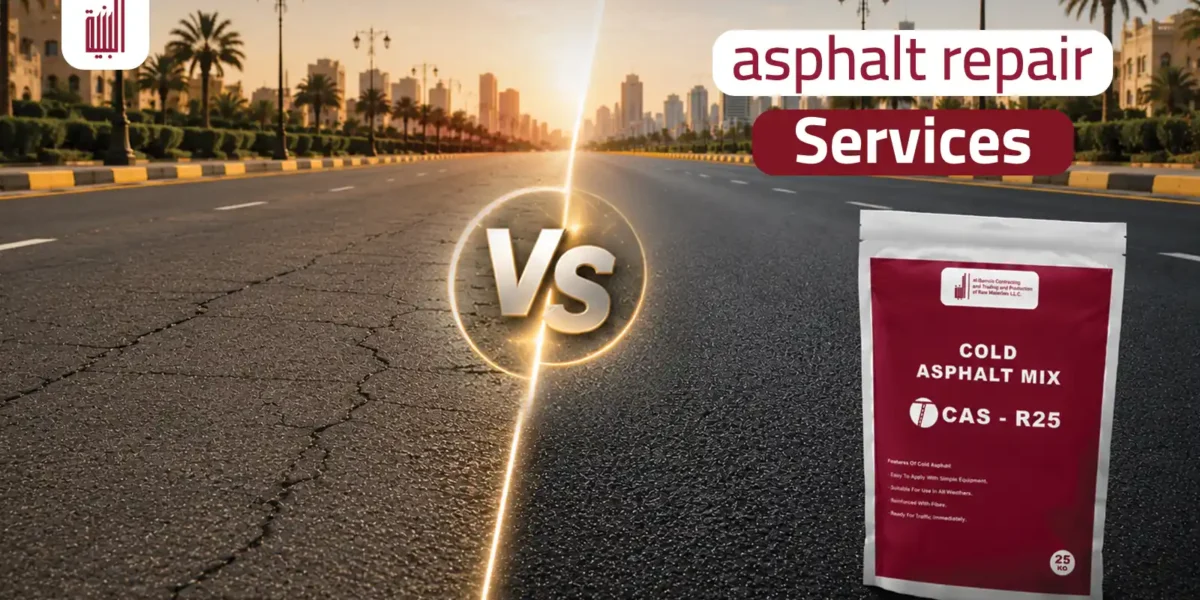
Asphalt Repair Services
Even the toughest asphalt pavement surfaces will eventually crack, form potholes, and wear down from years of use and weather. Waiting to repair can result in increased maintenance costs, safety issues, and reduced pavement life. Asphalt repair services play a vital role in ensuring the safety and functionality of roads, parking lots, and industrial facilities, especially when the damage is still minor.
Specialized road maintenance companies like Albenya offer services like cold asphalt products and pavement rehabilitation to help clients repair damaged asphalt efficiently with minimal downtime.
The Importance of Early Pavement Maintenance
If there is a small problem with the pavement, it will not stay small for long. Over time, water infiltration, load stress, and temperature changes cause cracks to widen into potholes or structural damage. Early resolution of these problems will minimize repair costs and maintain the structural integrity of the pavement.
Regular inspections enable maintenance staff to detect potential problems before they impact the pavement foundation. Early intervention also enhances road safety by minimizing trip hazards and vehicle damage.
The Federal Highway Administration (FHWA) reports that preventive maintenance can greatly increase the life of a pavement and reduce the total cost of pavement rehabilitation over time.
Modern Techniques Used in Road Rehabilitation
Modern techniques are employed in today’s asphalt repair services that enhance the quality of the repair and minimize traffic disruption. The best approach is dependent on the type and severity of pavement damage.
Common rehabilitation methods are the following:
- Sealing of cracks to prevent water penetration.
- Repair of potholes with cold asphalt mixtures.
- Localized damage: surface patching.
- Surface treatment of asphalt surfaces.
- Repairs for structural failures in full depth.
Albenya provides cold asphalt products for quick application, suitable for emergency road repairs, which do not require large heating equipment.
Cost-Effective Solutions for Asphalt Damage
Selecting the appropriate repair technique can help minimize maintenance costs over the life of the pavement. As a result, preventive repairs are typically much more cost-effective than full reconstruction, since they are used to repair damage before it reaches the pavement base.
The table below offers some insights into the common repair methods.
| Repair Method | Best For | Cost Level | Expected Benefit |
| Crack Sealing | Small cracks | Low | Prevents water damage |
| Cold Asphalt Patching | Potholes | Low–Medium | Quick traffic reopening |
| Surface Patching | Localized damage | Medium | Restores a smooth surface |
| Resurfacing | Widespread wear | Higher | Extends pavement life |
Selecting the appropriate solution depends on pavement condition, traffic volume, and long-term maintenance goals.
Preventing Minor Defects from Becoming Major Problems
One of the most significant benefits of hiring a professional asphalt repair company is that they can help avoid minor problems from becoming costly structural failures. At first, cracks may seem insignificant, but water can seep through the layers of pavement. The repeated traffic loads and temperature fluctuations will cause deterioration as moisture reaches the base and subgrade, resulting in potholes, rutting, and surface deformation.
A proactive maintenance program that involves periodic inspections, crack sealing, and prompt patching can help maintain the strength of the pavement and avoid costly rehabilitation work. Early damage treatment helps to keep property surfaces safer and prevents costly repairs.
Industries That Benefit Most from Professional Repairs
Durable asphalt surfaces are essential for many industries to operate. Damaged pavements can pose safety hazards and can also hinder business operations and cause higher vehicle maintenance expenses.
Professional asphalt repair services are beneficial to industries such as:
- Industrial sites and industrial production plants.
- Business buildings and shopping malls.
- Public roads and facilities.
- Residential compounds and private communities.
- Logistics centers and warehouses.
- Airports and transportation facilities.
Traffic levels and operating conditions vary between environments, and it’s essential that the repair solution is appropriate for the condition of the pavement and the expected traffic. Albenya offers road maintenance solutions that are applicable to a variety of infrastructure projects.
How Asphalt Repair Services Extend Pavement Life
One of the best ways to extend pavement life is to conduct maintenance in a timely fashion. Instead of letting the deterioration permeate the entire structure, professional repairs repair damaged areas and prevent further deterioration of the surrounding pavement.
According to the Federal Highway Administration (FHWA), preventive maintenance can have a dramatic effect on the performance of pavements and can save overall life-cycle costs when compared to the cost of major rehabilitation.
Professional asphalt repair services help to extend the lifespan of the pavement by:
- Preventing water infiltration.
- Restoring structural stability.
- Improving driving safety.
- Lowering the long-term maintenance costs.
- Reducing traffic disruption with quicker repairs.
Preventive maintenance is more cost-effective than constantly having to deal with major pavement problems.
Trust Albenya for Professional Asphalt Repair Services
Whether you need fast pothole repairs, effective crack sealing, or reliable cold asphalt solutions, choosing an experienced road maintenance partner makes a significant difference in pavement performance and durability.
Albenya delivers professional asphalt repair services backed by high-quality cold asphalt products and practical maintenance solutions designed to restore damaged pavements efficiently. By focusing on preventive maintenance and durable repair methods, Albenya helps clients reduce repair costs, improve road safety, and extend the service life of asphalt surfaces.
If you are looking for dependable asphalt repair solutions for roads, parking areas, industrial sites, or commercial properties, contact Albenya to learn more about its specialized road maintenance services and find the right solution for your project.
FAQS
What are asphalt repair services?
Asphalt repair services include techniques such as crack sealing, pothole repair, surface patching, and pavement rehabilitation to restore damaged asphalt and improve its performance.
How often should asphalt pavement be inspected?
Most pavements should be inspected at least once a year, with additional inspections after severe weather or periods of heavy traffic to identify damage before it worsens.
Is cold asphalt suitable for pothole repairs?
Yes. Cold asphalt is widely used for pothole repairs because it can be applied quickly without heating, making it ideal for emergency maintenance and minimizing road closures.
Can timely repairs reduce maintenance costs?
Yes. Early repairs prevent minor damage from spreading into larger structural problems, helping reduce long-term maintenance and rehabilitation expenses.
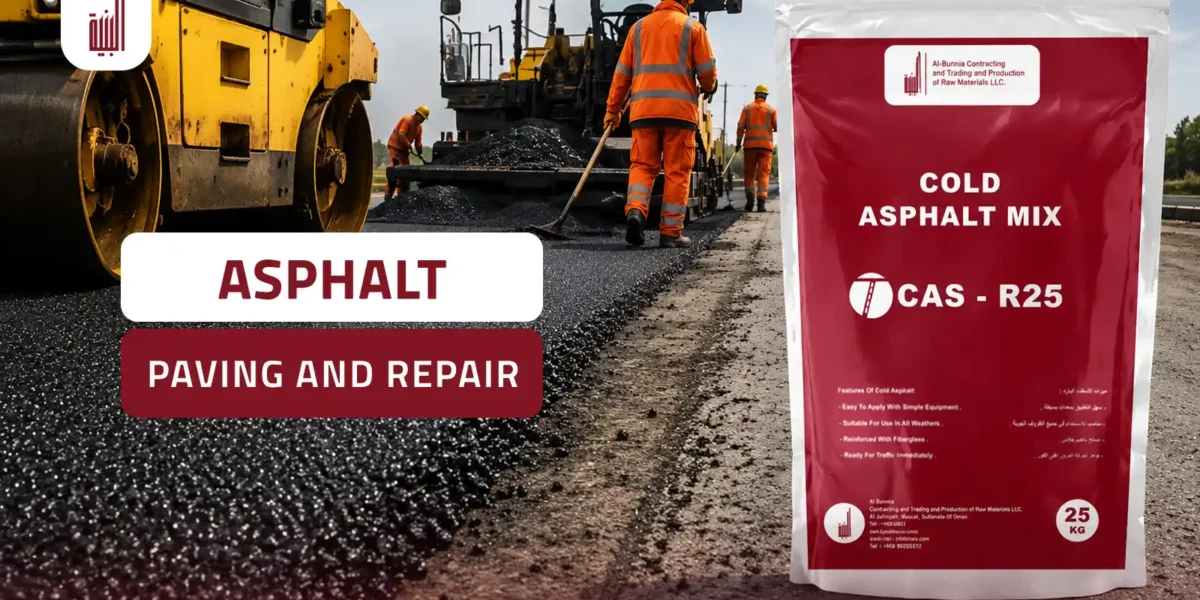
Asphalt Paving and Repair Services for Roads & Driveways
Our expert commercial asphalt paving and repair services are designed to boost property value, enhance safety, and simplify day-to-day operations. For everything from parking lot paving and resurfacing to asphalt repair and damage restoration, our team of professionals provides excellent labor, open communication, and long-lasting solutions.
Importance of Timely Asphalt Maintenance
asphalt paving and repair, and aesthetic appeal require routine care. Cracks, potholes, and surface damage can develop over time due to weather, heavy traffic, and everyday wear:
- If these issues are not addressed, they can get worse. Proactive maintenance lowers repair costs, increases overall performance, and prolongs the life of asphalt surfaces. We offer expert asphalt replacement, repair, and maintenance services to maintain driveways, parking lots, and roads in top shape.
- Property owners can save on expensive replacements and preserve smooth, durable asphalt surfaces for many years to come with prompt maintenance and professional solutions.
Benefits of Professional Paving Services
Asphalt paving and repair, safety, and aesthetics of paved surfaces require routine asphalt maintenance. Asphalt may be long-lasting, economical, and aesthetically pleasing with the right maintenance and prompt repairs:
- Increases Asphalt Lifespan: Regular upkeep increases the longevity of asphalt surfaces and reduces the need for early replacement.
- Lowers Repair Costs: By addressing minor damage and cracks early on, costly repairs can be avoided later on.
- Enhances Safety: Both drivers and pedestrians are less likely to be involved in accidents when the asphalt is smooth and well-maintained.
- Improves Property Appearance: Well-maintained asphalt surfaces give a property a more polished and appealing appearance.
- Boosts Property Worth: Well-kept driveways and parking lots can raise a property’s overall worth.
How Asphalt Repair Improves Road Safety
| Typical Asphalt Issues | Primary Causes | Suggested Resolution |
| Cracks in the Surface | Asphalt surfaces can develop cracks due to sun exposure, ground movement, water penetration, and aging. | Asphalt repair and crack sealing aid in preventing water damage and halting the spread of cracks.. |
| After Rain, Potholes | Over time, the asphalt foundation is weakened by poor drainage, untreated cracks, frequent traffic, and excessive moisture. Expert pothole repair increases driving safety, reinforces the surface, and restores stability. | Expert pothole repair increases driving safety, reinforces the surface, and restores stability. |
| Surface Wear and Fading | Asphalt might appear faded, rough, and brittle due to oxidation, UV radiation, and prolonged use. | Sealcoating not only protects the surface from spills, weather, and sunshine, but it also gives it a fresh appearance.. |
Modern Techniques in Asphalt Paving
By asphalt paving and repair, producing smooth, level surfaces that lower the danger of accidents, vehicle damage, and liability, professional asphalt paving increases safety:
- Pavement is shielded against early deterioration and water pooling by proper grading and drainage.
- Driveways, parking lots, and pathways seem cleaner and more professional with fresh asphalt, which also improves curb appeal.
- Smooth road surfaces improve driver control and lower the chance of sliding by boosting tire traction, particularly in inclement weather.
- Potholes and uneven patches are eliminated by asphalt resurfacing, making driving safer and more comfortable.
- The lifespan of vehicles is increased by well-maintained roadways because they lessen tire and suspension system wear.
- Effective maintenance techniques reduce traffic jams and maintain road functionality while repairs are being made.
- Infrared asphalt repair and sophisticated pothole patching are examples of modern technology that offer long-lasting, economical, and environmentally responsible maintenance options.
Get Reliable Asphalt Paving and Repair Services from Albenya
firms that specialize in maintaining and repairing damaged asphalt surfaces are known as asphalt paving and repair firms. Inspection of pavement problems, selection of the best repair techniques, and use of premium products to restore performance and durability are all part of their services.
Albenya offers solutions for residential driveways, parking lots, roadways, and highways. They guarantee that asphalt surfaces continue to be dependable, long-lasting, and safe while adhering to industry requirements by employing cutting-edge machinery and expert restoration methods.
Contact us
Contact Albenya right now for trustworthy asphalt paving, maintenance, and asphalt paving and repair services. Our skilled staff is prepared to offer expert solutions that maintain your property’s durability, safety, and finest appearance.
How Weather Affects Asphalt Surfaces
The longevity of concrete and asphalt surfaces is significantly impacted by weather. Concrete may crack or weaken under heat stress, whereas asphalt may fade, soften, and deform due to high temperatures and UV radiation. Freezing and thawing cycles cause potholes, cracks, and structural deterioration in colder climates. By infiltrating the surface and harming the base layers, rain, snow, and moisture also erode pavement. Chemicals used for de-icing might also hasten deterioration over time. To safeguard paved surfaces, increase safety, preserve aesthetics, and prolong the life of asphalt and concrete in all weather conditions, routine maintenance, sealcoating, and prompt repairs are crucial.
Tips for Maintaining Asphalt Pavements
Parking lots can be shielded from potholes, cracks, and weather- and traffic-related surface degradation with proper asphalt management. Frequent maintenance increases safety, prolongs the life of pavement, and lowers the cost of repairs:
- Frequent inspections assist in spotting surface degradation, drainage problems, and cracks before they become expensive issues.
- Seal coating enhances the look and skid resistance while shielding asphalt from UV radiation, water intrusion, oxidation, and normal wear.
- Crack filling slows the spread of structural deterioration by keeping water out of the pavement.
- Pothole repairs stop more pavement deterioration while restoring safe and smooth driving surfaces.
- Reducing premature wear and maintaining asphalt strength can be achieved by avoiding too large loads.
- Regular snow and ice removal helps avoid freeze-thaw damage, which can weaken pavement and expand fissures.
- Regular care reduces long-term repair costs, increases safety, and prolongs the life of parking lot asphalt.
- Expert asphalt paving and repair services guarantee long-lasting pavement performance, effective repairs, and durable results..
FAQS
What services does Albenya offer?
For both commercial and residential properties, Albenya specializes in asphalt paving and repair, sealcoating, pothole repair, crack sealing, asphalt maintenance, parking lot upkeep, and snow and ice management services.
Why is it required to fill cracks?
Crack filling protects minor fractures from growing into significant damage and keeps water off the pavement.
Can large cars harm parking lots made of asphalt?
Indeed, too heavy loads can cause asphalt surfaces to deteriorate more quickly and cause structural damage.
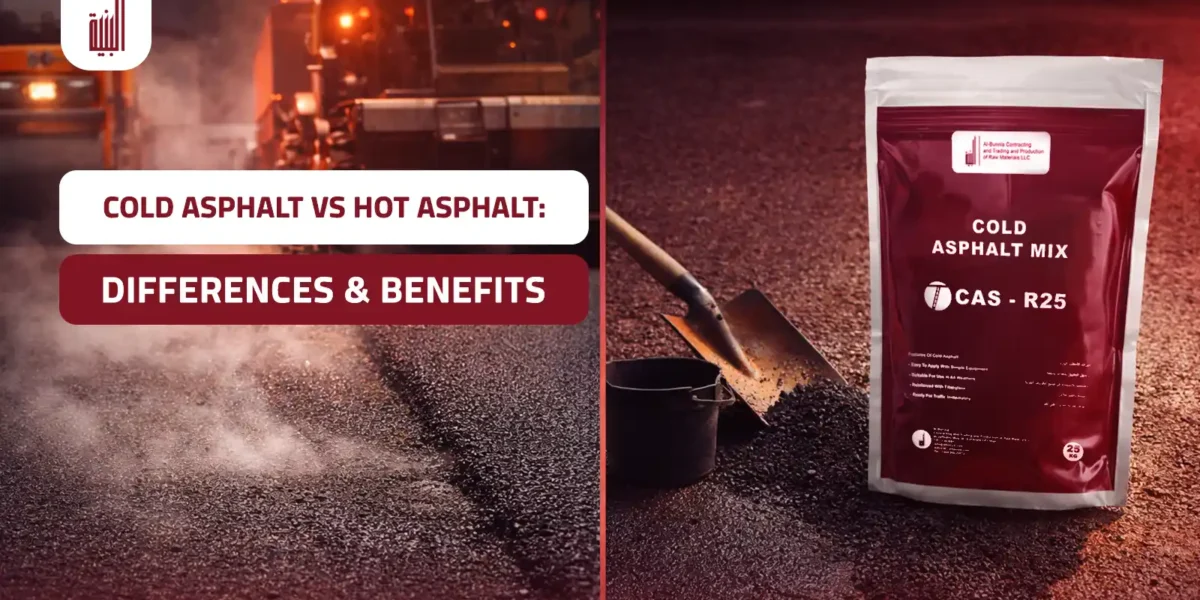
cold asphalt vs hot asphalt
When dealing with road construction, road maintenance, or driveway development, comparing cold asphalt vs hot asphalt is mandatory. All types have their distinctive benefits based on the use, weather, and financial resources. Nesting the distinctions between cold and hot asphalt assists the contractors and owners of the properties to make informed choices that will be durable and cost-effective.
What Is the Difference Between Cold Asphalt and Hot Asphalt?
The primary distinction between cold and hot asphalt is in the way of production and application of the materials. Cold asphalt is a mixture of asphalt that is applied at ambient temperature using emulsified binders, whereas hot asphalt is heated at a high temperature and then applied.
Flexibility and curing time are also different for cold and hot asphalt. Cold asphalt is simpler to work with, and its application is in rapid repair works, whereas hot asphalt offers a solid and sustainable system that can be applied in busy highways.
Application and Usage Comparison
In the context of cold asphalt vs. hot asphalt differentiation, each of them is used for particular purposes. The maintenance work is often done with cold asphalt, like patching and repairing potholes, and large-scale paving work is done with hot asphalt. It offers a solid
When it comes to cold asphalt and hot asphalt, the decision here is taken based on the size of the project, what its life needs to be, and the equipment you have at hand. Cold asphalt is better suited to quick repairs, whereas hot asphalt is better in long-term infrastructure projects.
Performance in Different Weather Conditions
The weather conditions also have an important influence on the effectiveness of cold asphalt and hot asphalt. Cold asphalt works at moderate temperatures and can be used even in unfavourable weather conditions.
Hot asphalt, however, should have controlled temperatures on application to make sure that compaction has been achieved and bonding has occurred. This renders cold asphalt vs. hot asphalt a significant factor in areas with different climates.
Cost Comparison Between Cold Asphalt and Hot Asphalt
Cost is a major factor when evaluating cold asphalt vs hot asphalt. The initial costs of cold asphalt are usually less as the asphalt does not need heating or special equipment. This renders it an economical maintenance and small project option.
Hot asphalt is more expensive to construct initially because of the requirements of manufacturing and transportation, but it can be very advantageous in long-lasting projects. Thus, cold asphalt or hot asphalt needs to be selected based on the long-term and short-term objectives and budget. Cold AsphaltHot Asphalt
Cost Comparison Table
| Factor | Cold Asphalt | Hot Asphalt |
| Initial Cost | Lower | Higher |
| Equipment Needed | Minimal | Specialized |
| Maintenance Cost | Moderate | Lower over time |
| Project Scale | Small to medium | Medium to large |
Which Option Offers Better Durability?
One of the important considerations in the cold asphalt vs hot asphalt is the issue of durability. Hot asphalt is typically of high durability as it has a dense structure and great bonding character. It is best suited to busy roads in the long term.
Cold asphalt is less durable but provides sure performance in maintenance and low traffic applications. Development of materials has enhanced the longevity of cold asphalt compared to hot asphalt, such that cold mixes now seem to be competitive.
When to Use Cold Asphalt Instead of Hot Asphalt
Cold asphalt is obviously at an advantage over hot asphalt in certain scenarios. These are emergency repairs, remote locations and projects that are to be done without using very heavy equipment.
Asphalt cold is also the recommended choice in situations involving storage flexibility and convenience. Contrary, hot asphalt is suited better to those projects that demand the maximum strength and durability.
Advantages and Disadvantages of Each Type
Comparing the advantages and disadvantages of cold asphalt vs. hot asphalt helps in making the right decision based on project requirements, budget, and execution conditions. The following table highlights the key differences between the two types in a simplified way:
| Category | Cold Asphalt | Hot Asphalt |
| Ease of Application | Easy to apply | Requires specialized equipment |
| Cost | Lower cost | Higher cost |
| Heating Requirement | No heating required | Requires heating |
| Durability | Less durable | Highly durable |
| Setting Time | Slower to set | Faster to set |
| Ideal Use | Quick repairs and small projects | Main roads and large projects |
How to Choose the Right Asphalt for Your Project
Cold asphalt or hot asphalt selection is based on a number of parameters such as the size of the project, costs, climatic conditions, and the traffic volume that is supposed to be carried. Cold asphalt can usually be the most suitable when making small and quick fixes. Hot asphalt would normally be more applicable when large-scale construction and high-traffic areas are involved.
A keen consideration of these aspects will help maintain the high performance and value of the chosen material.
Discover the Best Cold Asphalt with Al Benaa Experts
Just as it is essential to select the right material, so too is selecting the right supplier. Albenya offers highly developed solutions that are capable of addressing the current needs of paving. Their asphalt items are cold, meaning that they are meant to provide efficiency, durability, and convenience in a number of applications.
Find cold asphalt solutions of superior quality with Albenya specialists. Get in touch with the team so that you are able to discover the optimal choice of your undertaking and get long-term outcomes.
FAQS
What is the main difference between cold asphalt vs. hot asphalt?
The primary distinction is temperature. Cold asphalt is used at ambient temperatures, whereas hot asphalt will have to be heated.
Which is less expensive?
Cold asphalt is low-cost in the short run, whereas hot asphalt can be, potentially, less expensive in the long term.
Does cold asphalt work in any weather conditions?
It is equally compliant compared to hot asphalt and performs optimally under moderate conditions.
Which is more resistant?
Hot asphalt is more resilient, particularly in high-traffic areas.
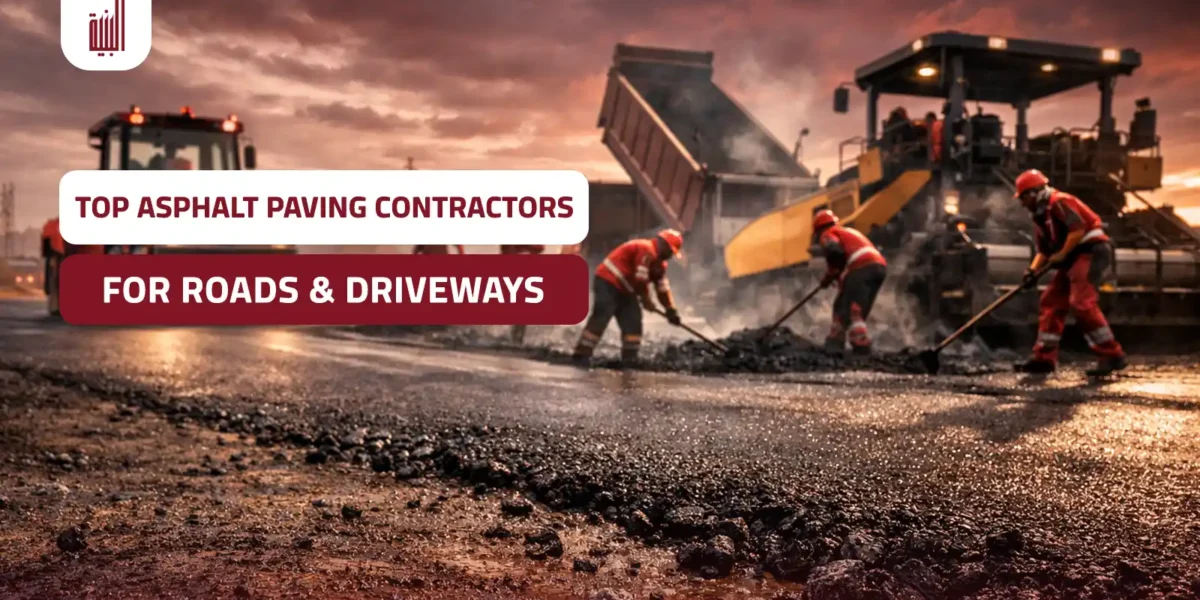
Top Asphalt Paving Contractors for Roads & Driveways
Asphalt paving contractors are also crucial in coming up with robust and efficient road networks and quality driveways. In residential or commercial projects, a specific selection of Asphalt contractors guarantees a long-term outcome, reduction of the maintenance charges, and an increased level of safety. The demand for modern infrastructure is evolving at a very high pace, and thus it is more than ever that there is a requirement for paving professionals who can be trusted.
What Do Asphalt Paving Contractors Do?
The planning, preparation, and implementation of paving projects are done by asphalt paving contractors. Their tasks involve surface preparation, selection of material, applying asphalt, and compaction. These workers see to it that every layer of the pavement is correctly placed to attain durability and any form of performance.
Furthermore, Asphalt contractors complete maintenance work like re-coating and repair (to enhance the lives of roads and driveways). Their experience makes sure projects are up to industry standards and that they work in various conditions.
How to Choose the Right Contractor
Choosing the appropriate asphalt paving contractors is the key to successful work. It needs to be based on an assessment of some factors, which include experience, reputation, and quality of materials used. A qualified contractor will be able to present definite schedules, fair costs, and success stories of his or her past performance.
The other factor that should be put in place is the observance of industry standards and the utilization of modern equipment by the contractor. This assists in ensuring a smooth and long-lasting pavement zone.
Contractor Selection Checklist
Choosing the right contractor is a critical step in ensuring the success and longevity of any asphalt project. With multiple factors influencing the quality of work, it is important to evaluate contractors based on clear and practical criteria. The following checklist provides a quick and effective way to assess key aspects such as experience, materials, equipment, reputation, and pricing. By understanding what to look for and why each factor matters, you can make a more informed decision, minimize risks, and ensure that your project is completed efficiently, professionally, and within budget.
| Criteria | What to Look For | Why It Matters |
| Experience | Proven track record | Ensures reliability |
| Materials Used | High-quality asphalt | Improves durability |
| Equipment | Modern machinery | Better efficiency |
| Reputation | Positive client feedback | Builds trust |
| Pricing | Transparent and competitive | Avoids hidden costs |
Key Qualities of Professional Paving Services
There are a number of key characteristics of professional asphalt paving contractors that make them stand out from the range of less experienced paving contractors.
These include:
- Good technical information about paving procedures.
- High-quality materials were used.
- Care in application.
- Ability to work with various project sizes.
All these qualities make sure that the end pavement is up to standard with regard to performance and aesthetics.
Importance of Experience in Asphalt Projects
Among the most imperative considerations when choosing asphalt paving contractors, the experience factor features. Skilled contractors know how to deal with soils of various types, weather conditions, and the requirements of the traffic.
Their experience enables them to foresee possible situations and use the right solutions before the occurrence of problems. This produces more powerful and robust pavement, which has less maintenance in the long run.
Paving Services for Small and Large-Scale Projects
Asphalt paving contractors offer their services to a variety of projects that are as simple as residential driveways and as extensive as infrastructures. Any kind of project must be addressed differently so that it can be efficient and viable.
With smaller projects, accuracy and high-speed completion are prioritized by a contractor, whereas in large-scale projects, more planning, heavy machinery, and coordinated teams are required. Whether the project is a large or small project, professional asphalt paving contractors strive to provide uniform quality.
Common Challenges in Road Construction
The construction of roads can be affected by various challenges that can only be addressed by highly skilled asphalt paving contractors. Such troublesome situations involve weather, availability of materials, and traffic.
Failure to plan or execute tasks well may cause an early breakdown of the pavement, escalation of costs, and even accidents. Experienced contractors possess the right techniques and planning strategies to eliminate all these challenges and achieve victory.
Latest Technologies in Asphalt Paving
Asphalt paving contractors in modern times are more inclined to use new technologies to enhance efficiency and quality. The industry is changing with new innovations, including automated paving machines, better compaction methods, and greener materials.
These technologies are used to attain excellent surface smoothness, lessen waste materials, and improve the overall performance of the pavements. Consequently, Asphalt contractors are able to provide better quality of work within a shorter duration of time.
Why Quality Materials Matter in Paving
The construction process of paving materials by asphalt paving companies directly influences the performance and durability of the paving. Good asphalt mixtures are more resistant against wear, weather, and heavy traffic loads.
Working with substandard material can save on the initial costs, but will actually result in frequent repairs and increased costs in the long term.
Partner with Albenya for Reliable Asphalt Paving Solutions
The selection of the appropriate partner is critical in ensuring good-quality paving. Albenya can propose stable solutions that will be adjusted to the requirements of contemporary projects in the infrastructure. Albenya should be able to achieve longer-term and effective pavement results by using experience and high-performance materials.
Call on Albenya and collaborate with reputable asphalt paving firms in ensuring quality, durability, and performance. Call the team and kick-start your project.
FAQs
What do asphalt paving contractors do?
They do the installation, repair, and maintenance of asphalt on roads and driveways.
What should I do in selecting the best Asphalt contractors?
Search experience, reputation, and quality of materials used.
What is the importance of experience in paving projects?
A skilled contractor is able to address obstacles and guarantee sustainable outcomes.
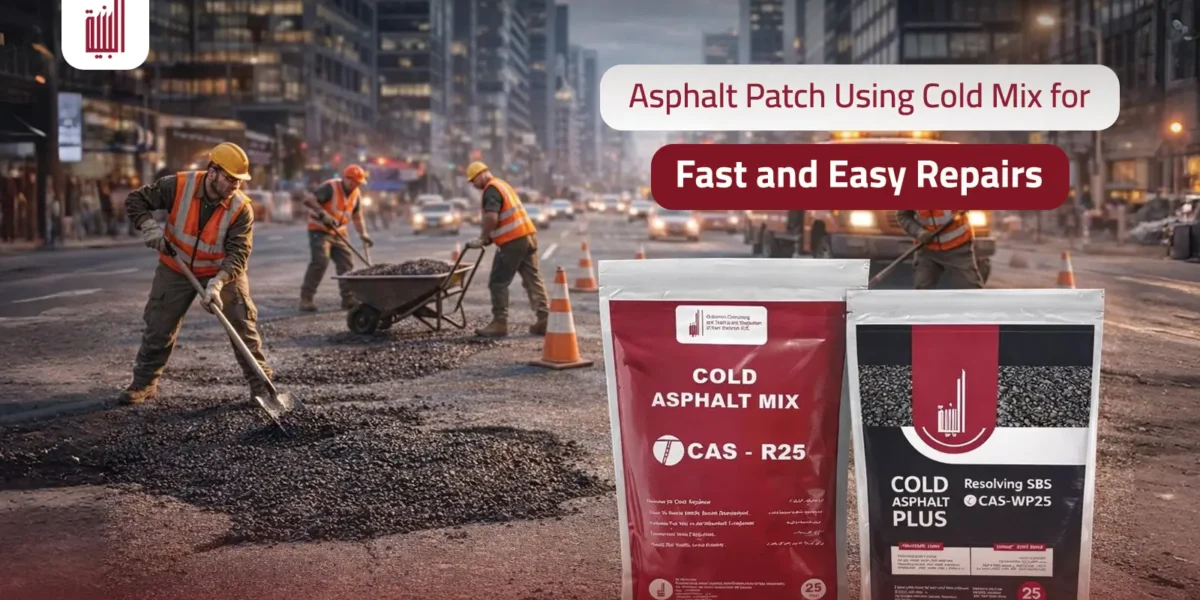
Asphalt Patch Using Cold Mix for Fast and Easy Repairs
Asphalt patching using cold mix is a fast and practical solution for repairing potholes, cracks, and surface defects in pavements. The procedure is very popular where hot mix asphalt does not exist, or whenever urgent repairs need to be made. Cold mix asphalt can be used immediately with minimal equipment and is operational in a considerable number of weather conditions. It has a high level of flexibility and is easy to use, which is the reason it is a favorite compromise between emergency repairs and regular maintenance.
Does an asphalt patch work?
Yes, an asphalt patch can effectively restore surface integrity, improve safety, and extend pavement life temporarily. Its performance is a factor of good preparation, quality of materials, and compaction. Cold mix asphalt patches are ideal for temporary fixes in high-traffic or emergency situations.
What is the best material to patch asphalt?
Patching asphalt needs the best materials, which would consist of pre-mixed cold patch asphalt containing a temperature-stable binder, clean and well-graded aggregates, and adhesion and durability-enhancing additives. Proper cold mix that is made will have a longer-lasting repair and better performance.
Cold Patch Asphalt Benefits
Cold patch asphalt has many advantages, which make it an advantageous option for road repairs and emergency repairs. It is fast and easy to apply, and it does not require any heating; thus, it helps considerably to decrease the road time. It requires minimal equipment and is therefore applicable in remote areas as well as sites with restricted access. It also works under a wide range of temperatures, which enables repair to be done under different weather conditions. Cold patch asphalt can be used as a solution to both temporary and semi-permanent repair of pavements due to its speed, flexibility, and ease of use.
What are the different types of asphalt patching?
Before exploring the specific methods, it’s important to understand that asphalt patching can vary depending on the repair requirements, traffic load, and environmental conditions. The appropriate type is one that is durable and cost-effective.
- Cold patch asphalt: Temporary or semi-permanent repairs.
- Hot mix asphalt: Permanent solutions which repair, need heating and special equipment.
- Throw-and-roll technique: The patch is made of a cold mix and compacted by a vehicle.
- Semi-permanent: Intensive preparation and packed over permanent repairs.
How to make an asphalt patch?
Creating an asphalt patch requires careful preparation and application to ensure it bonds well and lasts as long as possible. The steps to follow are:
1. Clean the area affected by the damage and remove the loosely deposited material and water.
- Pour the cold mix asphalt into the defect.
- Use a hand tamper or the tires of vehicles to compact.
- Use layers of a thin layer when the patch is deep, and press each layer.
- You can let the traffic patch itself out slowly.
How long will an asphalt patch last?
The life of an asphalt patch is influenced by several factors, including traffic volume, quality of installation, and environmental conditions. Cold mix patches that are installed in the low flow areas will last more than one year, with some even lasting longer with the right type of maintenance. The engine life is also normally reduced in busy locations by vehicles wearing and putting stress on the engine. Ensuring proper compaction, cleaning the surface thoroughly before application, and using high-quality materials all contribute to extending the durability and effectiveness of the asphalt patch. Early wear can also be detected by regular inspection and service can be extended.
How to Get Cold Patch Asphalt to Harden?
Cold patch asphalt is developed in such a way that it hardens not by heat, but by mechanical compaction. The pavement surface should be clean and dry, without debris or water that may be intrusive to bonding, to give the best outcomes. It should be packed properly with hand tampers or vehicle tires, and performance can be improved by placing the material in thin layers in deeper patches. With time, the traffic also contributes to the further consolidation of the patch, enhancing its density and general strength. The above procedures will result in a more permanent repair and a patch that is more resistant to loosening, water infiltration, and wear.
Problems caused by the cold patching of asphalt
The cold patching can be somewhat difficult to use in maintenance and application. The performance and life of the patch could be impacted by issues like poor compaction, inefficient surface preparation or environmental conditions. Knowing about such probable issues, contractors and maintenance teams will be able to take some proactive measures to achieve improved adhesion, durability, and effectiveness. The knowledge of these problems enables the careful planning, use of suitable materials, and the proper technique of application, which, when combined with each other, minimize the threats of premature failure and enhance the quality of the work done.
| Problem | Description |
| Premature loosening | The patch may separate from the surrounding asphalt if not compacted correctly |
| Reduced durability | Heavy traffic can quickly wear down poorly applied patches |
| Water infiltration | Low-quality patches may allow water to seep in, causing further damage |
| Shorter service life | Extreme temperatures can accelerate patch deterioration |
| Temporary appearance | Improper application can make the patch visible and aesthetically unpleasing |
Albenya Company Expertise in Asphalt Patch Solutions
Albenya Company would assess every repair site in order to come up with the most appropriate cold mix asphalt solution. They pay attention to the traffic, environmental performance, and repair goals to provide the best performance. Their team provides technical guidance for effective and long-lasting asphalt patch repairs.
For expert guidance and professional asphalt patch solutions, contact Albenya Company today. Our specialists are ready to assist you with site evaluation, material selection, and implementation of the most effective cold mix asphalt repairs to ensure safety, durability, and cost-efficiency.
FAQs
Can an asphalt patch be used in wet conditions?
Yes, but surface water should be removed to ensure proper adhesion and durability.
Does a cold-patch asphalt repair last?
Cold patch repairs tend to be temporary or semi-permanent, particularly in high-traffic locations.
When can traffic use a cold-patch asphalt repair?
Traffic can be progressively used on the repair location when it is properly compacted; it will be fully hardened with traffic consolidation.
Cold Mix Asphalt Design Smart Solutions for Maintenance
Cold mix asphalt design is a crucial element in modern road construction and maintenance, designed to produce high-quality asphalt mixes without the need for heating, and this technology is suitable for application in diverse environmental conditions. Our company assists you in using various types of cold asphalt. Cold asphalt is preferred in many projects as it provides good cohesion and durability suitable for different surfaces.
Key Limitations and Challenges of Cold Mix Asphalt
Cold mix asphalt design has been one of the most widely used materials for paving roads, walkways, and parking areas for decades due to its relative durability, low cost, and ease of application. However, despite its widespread use,e some challenges may arise over time, such as:
- Cracks, potholes, and uneven surfaces can negatively impact road safety and appearance.
- One of the challenges of cold asphalt is the phenomenon of urban heat islands.
- Asphalt absorbs and retains significant amounts of heat for extended periods, contributing to the formation of urban heat islands and leading to higher temperatures in urban areas.
- Poor drainage is another challenge.e Asphalt does not have a high degree of porosity compared to other materials like permeable concrete or gravel, el which can lead to water accumulation on the surface.
- Despite its durability, cold asphalt has a lower load-bearing capacity than some other materials, such as concrete
Cold Mix Asphalt Design: Production and Preparation Methods
Cold asphalt is produced by mixing aggregate with bitumen emulsion or diluted bitumen at room temperature. The mixture is then spread and applied under the same conditions without the need for heating, with the following exceptions:
- When using bitumen emulsion, the aggregate can be moistened before mixing to improve homogeneity, and in contrast,t using diluted bitumen requires the aggregate to be dry at room temperature or lightly heated before mixing to ensure good adhesion.
- In most cold asphalt mixes, only the bitumen is heated when necessary, and then it is mixed with the other components without heating the aggregate, which reduces energy consumption and minimizes emissions.
- MC 3000 and SC 3000 diluted bitumen are among the most commonly used standard types in cold asphalt production due to their suitability for mixing and application at normal temperatures.
Materials and Components Used in Cold Mix Asphalt Design
| Description | Aspect |
| The asphalt used in cold asphalt paving is not fundamentally different from the mixes used in other surface paving techniques | Nature of Cold Asphalt |
| It has a high level of durability, mainly due to the selection of suitable aggregates in terms of size and gradation | Durability |
| Aggregates form the basic structure of the wearing course, enabling it to efficiently withstand various loads | Role of Aggregates |
| Like any asphalt mix, cold asphalt consists of coarse and fine aggregates, fillers, and a binder | Mix Components |
| The binder is either diluted bitumen or a bitumen emulsion | Type of Binder |
| Water is used when a bitumen emulsion is applied, while a solvent is used when diluted bitumen is used | Additional Components |
| The presence of water or solvent is what distinguishes cold asphalt mixes from hot asphalt mixes | Difference from Hot Mix Asphalt |
Durability and Long-Term Performance of Cold Mix Asphalt
Over the past decade road paving technologies have seen significant advancements with the emergence of warm mix techniques and these techniques have reduced mixing temperatures from the traditional high temperatures of 140 160 C for hot asphalt to lower temperatures typically between 100 130 C However the ultimate goal remains producing a high quality asphalt mix at room temperature without ever heating the aggregate Cold asphalt based on bitumen emulsions is one of the most obvious solutions for achieving this objective.
Why Cold Mix Asphalt Is Ideal for Road Repair Projects
With the continuous expansion of high-quality road construction, safety and comfort requirements for driving on road surfaces have increased:
- Asphalt, as a flexible surface, is a commonly used road paving material due to its suitable mechanical strength, good water resistance, high durability, and other distinctive engineering properties.
- Developing an effective cold asphalt mix using emulsion technology requires consideration of several key factors, most notably.
- The mix must have suitable workability, allowing it to be laid and compacted using conventional equipment such as pavers and rollers without the need for specialized machinery.
- After compaction, the asphalt mix must achieve sufficient mechanical strength quickly to allow the road to be opened to traffic immediately.
Common Uses of Cold Mix Asphalt Design in Pavement Maintenance
Cold asphalt mix design is a versatile material in road construction and maintenance, and it can be used efficiently in many practical applications:
- Cold asphalt is a practical and quick solution for Pothole Repair. Cold asphalt is also effectively used to repair wheel rim wear.
- Cold asphalt is used to fill road trenches and re-level pavements, helping contractors complete their work quickly and without the need for heavy equipment or complex heating processes.
- Cold mix asphalt design is an effective solution for quickly covering railway lines, whether on main or secondary roads,s as it allows the road to be reopened to traffic immediately after the covering work is completed.
Best Situations to Apply Cold Mix Asphalt
Cold Mix Asphalt is considered an ideal option for repairing small and medium-sized roads due to its ease of use, low cost,t and versatility:
- When applying cold mix asphalt design begin by removing any debris, crumb, or dirt from the hole or crack,k and use a stiff brush or broom to thoroughly clean the area, as this promotes the adhesion of the cold asphalt.
- Determine the depth and add gravel if needed. If the hole is deeper than two inches, fill the bottom with gravel or crushed stone.
- Compacting the asphalt is a crucial step to ensure the repair’s stability and longevity after compaction.
Quality Control and Testing Methods Followed by Albenya Company
Al Benya aims to become a leading cold asphalt producer, ensuring customer satisfaction and executing development projects in the Sultanate of Oman and around the world while maintaining the highest quality standards in all our work.
We firmly believe that the secret to any company’s success lies in its unwavering commitment to quality and occupational safety standards, providing a safe and healthy work environment for all our employees and leveraging our expertise to serve our customers in the best possible way.
FAQS
Can cold asphalt be used in wet conditions?
Yes, Cold Mix Asphalt is designed to perform effectively in all weather conditions, making it the ideal solution for urgent repairs.
Does cold asphalt last a long time?
When applied and compacted correctly, UltraPatch provides durable, long-lasting repairs.
What tools are required?
A hand trowel or a paddle is recommended to ensure proper asphalt compaction and optimal results.