
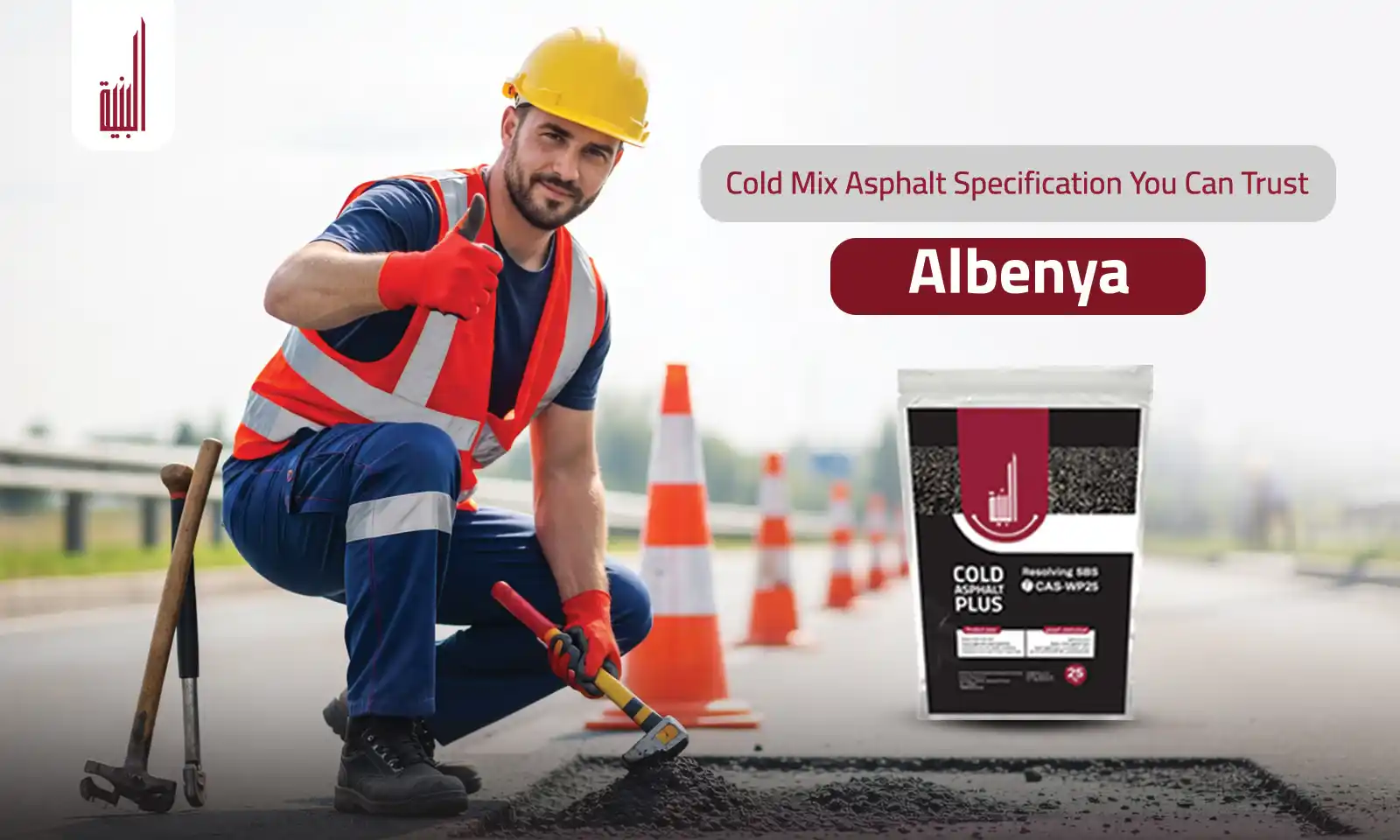
Cold mix asphalt specification ensures the material used in road maintenance and repair meets engineering and performance standards. Correct specification contributes to the preservation of roads, increased safety, and lessening of the maintenance expenses in the long term. It also reduces the amount of waste material, can compact it properly, and gives the engineers an opportunity to choose the appropriate mix under the various environmental conditions and traffic loads
Overview of Cold Mix Asphalt Specification
Cold mix asphalt specification outlines the physical, chemical, and performance requirements for the material. It entails specifications on the source of materials, choice of binders, grading of aggregates, as well as mixing protocols. These standards will guarantee uniformity, workability, and sustainability of cold mix asphalt applications in different maintenance and repair works.
Key Technical Requirements for Cold Asphalt Materials
The cold asphalt materials should have technical requirements:
- Adequate viscosity of binder that can be used at ambient temperature to enable easy manipulation.
- Proper aggregate grading of even loads and structural stability.
- Correct mixing of mixtures to avoid segregation and guarantee strength.
- Good working ability to be easily placed and compacted even in restricted spaces.
- Water resistance, freeze-thaw, and environmental resistance.
- Adaptability to the pavement surfaces that are available to guarantee adhesion.
Approved Material Standards for Cold Asphalt Mixes
Cold asphalt mixes have approved standards of acceptable materials and formulations. Key references include:
- ASTM D6931 of emulsified asphalt viscosity.
- ASTM D977 of emulsified asphalt content.
- Community or national road maintenance regulations.
- European standards such as EN 13808 for bituminous emulsions.
- The standards guarantee consistency in material quality and performance of various road maintenance applications.
Aggregate Gradation and Binder Selection Guidelines
An appropriate choice of the aggregate size and the type of binder is essential:
- Aggregates should possess a given size range to be structurally sound and interlock.
- Binder type must be suitable for the project temperature, the project forecasted traffic loads, and the environmental conditions.
- Monitoring of the gradation curves should be done to ensure that the optimal density is used and the void is reduced.
- Compaction and bonding to the binder depend on aggregate shape and surface texture.
Performance Criteria for Cold Asphalt Applications
Performance standards will generally include:
- Compression and density are used to attain reduced load-bearing capacity.
- Both short and medium-term applications: resistance to rutting, cracking, and raveling.
- Strength and resistance to changes in traffic and environmental factors.
- Sticking to the surface of pavements, and sticking on the mixture.
- Maintainability to ensure the repair in the future without affecting the existing structures.
Quality Control and Inspection Requirements
Quality Control: The mix is to conform to specifications:
- Testing and sampling of materials before usage.
- Binder-content, viscosity, and aggregate-gradation laboratory tests.
- Placement and compaction practices would be inspected on-site.
- Environmental conditions monitoring when in application.
- Accountability and compliance with all quality control measures are documented.
Specifications for Road Maintenance and Repair Projects
Cold mix asphalt specifications for maintenance projects include:
- The maximum size of aggregate that can be used to maintain good compaction.
- High minimum content of binder to achieve adhesion and longevity.
- There has to be some degree of compaction and a smooth, safe road.
- Instructions of patching, pothole repair, and edge treatment to ensure uniformity.
- Seasonal or weather specifications.
Comparison Between Cold Asphalt and Hot Mix Standards
Cold asphalt mix is different in a number of ways to the hot mix, and it is important that the distinctions are known to project planning and material selection. The differences between them are primarily as follows:
| Feature | Cold Mix Asphalt | Hot Mix Asphalt |
| Application Temperature | Ambient, no heating required | High temperature requires heating plants |
| Binder Type | Emulsions or cutbacks suitable for ambient conditions | Traditional hot bitumen or modified binders |
| Performance Expectation | Temporary or semi-permanent repairs | Permanent structural paving |
| Energy & Deployment | Lower energy consumption, faster deployment | Higher energy use, slower deployment |
Compliance Procedures and Methods of Testing.
Compliance with cold mix asphalt specifications is critical to ensure the quality and durability of maintenance and repair projects. The laboratory testing is carried out to verify the binder content, viscosity, and aggregate properties that ensure that the mix is within design specifications.
This is done by field tests to test the density, compaction, and smoothness of the surface to ensure that the asphalt meets the expectations in real-life situations. A regular check upon placement ensures that the working methods and application procedures are in line with the specifications.
All the procedures can be verified and documented and reported processes ensure traceability. These documents are necessary in accountability and to facilitate in sustaining enhancements in road repair procedures. The correct compliance practices will provide a durable and dependable asphalt coating with the attainment of safety and performance standards.
Albenya Company Standards for Cold Mix Asphalt Specification
Albenya focuses on compliance with cold mix asphalt requirements on quality and performance. The specifications are made in accordance to best practice in the industry, with emphasis on material consistency, correct handling, appropriate application techniques, and environment to provide stable and long-lasting output. To have professional advice on your projects and have a review of the specifications and also to be provided with practical advice on how your projects could be done in maintenance or repair applications.
Contact Albenya today and talk directly to our specialists who can help you come up with a unique solution and be with you throughout the planning and execution.
FAQs
What is the main purpose of the cold mix asphalt specification?
To have the material work efficiently in terms of road condition maintenance and repair and at the same time retain durability, safety, and long performance.
What are the commonly used standards of cold mix asphalt?
ASTM D6931, ASTM D977, EN 13808 and local municipal or national roadway standards.
What is the relevance of aggregate gradation in cold mix asphalt?
Gradation is done properly to provide structural integrity, compaction, bonding with the binder, and durable pavement performance.
How are specifications verification checked?
By conducting laboratory analysis, field surveys, compliance with the procedures and adherence to the placement and compaction, and excellent documentation of all quality control measures.

Leave A Comment