
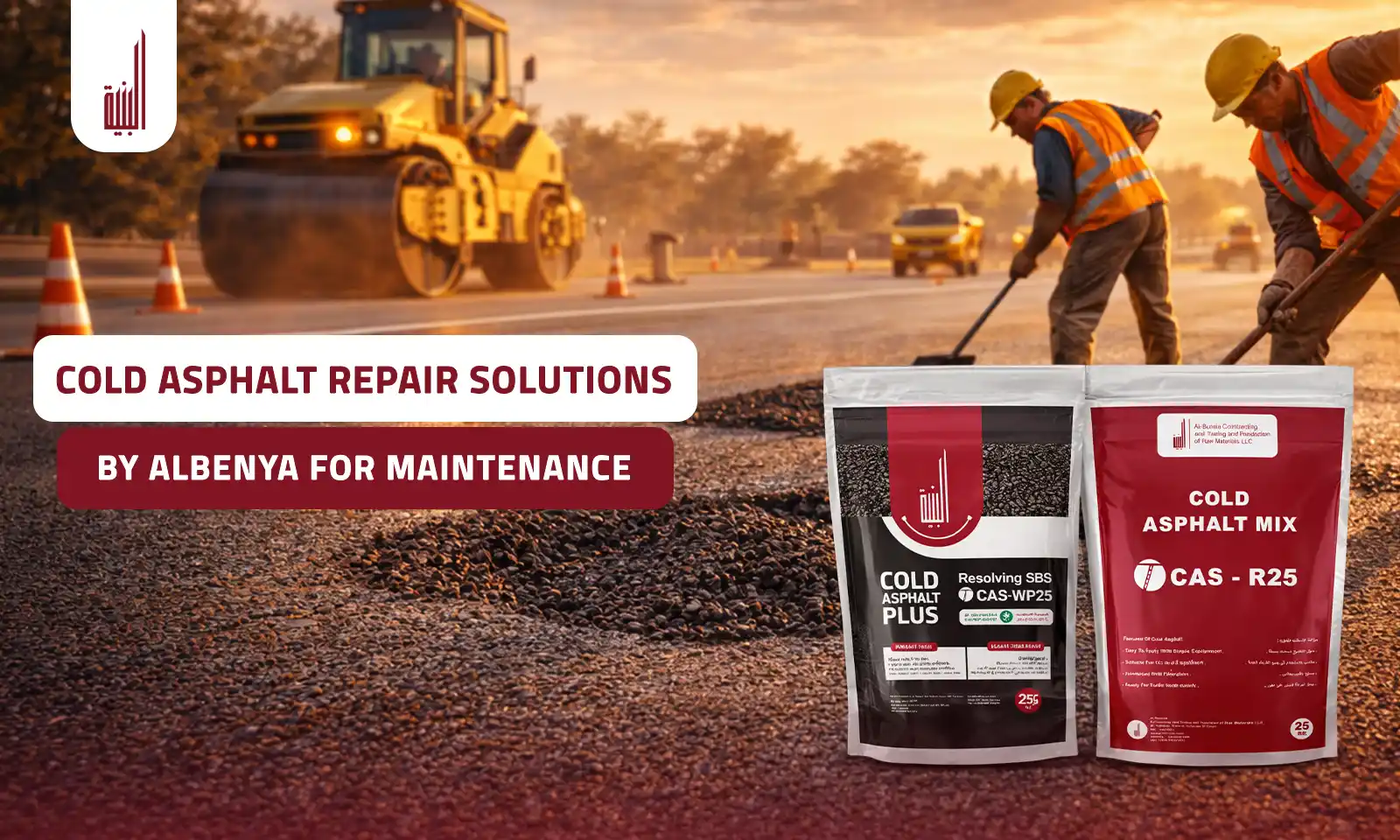
Asphalt pavement deterioration, particularly pothole formation, poses significant challenges to the sustainability of transport infrastructure, and pothole repair using cold asphalt is a time-sensitive option for highway maintenance due to its rapid application and suitability for all weather conditions. Also, our company offers the best products for emergency repairs and adverse weather conditions.
What is cold patch asphalt repair?
Cracks and potholes in roads require immediate attention to ensure the safety of roads and sidewalks Cold asphalt repair is an innovative solution that can quickly address these problems by efficiently filling potholes, also the key advantage of cold asphalt is its ease of application and immediate readiness for use unlike traditional hot asphalt mixes that require heating and pre curing, and cold asphalt is ready to use right out of the box.
What is the method of asphalt repair?
Cold asphalt repair services include providing professional asphalt maintenance directly to your site
Process:
| Process | Description |
| Inspection and Assessment | Identifying damage such as cracks, potholes, and drainage issues to determine the most suitable repair method. |
| Cleaning and Preparation | Removing dirt, debris, and loose asphalt, and cutting damaged areas when necessary to create clean edges for repair. |
| Crack Filling and Repair | Sealing small cracks and repairing larger cracks or potholes using new asphalt to ensure durability. |
| Asphalt Overlay | Laying a new asphalt layer over the existing surface to treat extensive surface damage. |
| Sealant Application | Applying a protective sealant to protect the asphalt from UV rays, water, oils, and chemicals, extending its service life. |
| Resurfacing | Removing and replacing the top asphalt layer to restore the surface when damage is widespread but non-structural. |
| Complete Replacement | Removing the damaged asphalt and rebuilding the pavement from the base up in cases of deep and severe deterioration. |
What is cold asphalt used for?
Cold asphalt repair is characterized by its ease of repair, speed, and simple installation, resulting in long-lasting results, also it is suitable for a wide range of applications, including repairing road, surfaces, streets, and public and private roads. It is ideal for constructing driveways, building entrances, parking areas, sidewalks, curbs, alleys, garden paths, main streets, and plazas.
What temperature is cold patch asphalt repair?
Hot asphalt is heated in an oven to temperatures of 160C or higher It is transported by a truck equipped for high temperature operation but its temperature must be maintained above 120C, and therefore both the temperature and the soil temperature affect how long the hot asphalt remains within its operating temperature range Some repairs utilize cold asphalt repair because its bonding agent is less affected by heating and cooling cycles making cold repairs generally temporary except in rare cases.
When Cold Asphalt Repair Is the Best Solution
The use of cold asphalt is important, particularly for emergency repairs, parking lot repairs and road surface maintenance, and many people prefer cold asphalt because it is environmentally friendly as its application reduces emissions
Cold asphalt repair is also highly effective in eliminating cracks and potholes in roads which can cause traffic congestion. Furthermore, it does not require sophisticated equipment and the cold asphalt mix can be adjusted to suit the local climate.
Common Applications of Cold Asphalt Repair in Roads
Cold asphalt is a material used in road rehabilitation Its most prominent uses include:
- Pothole repair, and it is used to quickly fill and reinforce potholes in roads, improving the safety of vehicles and pedestrians.
- Wheel puncture repair, because this type of asphalt repairs punctures caused by repeated vehicle loading, restoring the road to its original condition.
- Cold asphalt is used to backfill pavements after underground infrastructure work, speeding up the process without the need for heavy equipment.
- It is used to protect roofs and parking areas from water, acting as a barrier to extend their lifespan.
- It is suitable for paving rural roads or in areas with limited traffic, but not suitable for heavy loads or areas with heavy traffic.
Benefits of Using Cold Asphalt for Pavement Repair
Cold asphalt differs from traditional hot asphalt in its extraction process and application temperature. Cold asphalt hardens at room temperature, making it ideal for cold climates or winter conditions and the benefits of cold asphalt include:
- Its versatility is a major advantage and using cold asphalt offers greater flexibility in pothole repairs, utility line repairs or the construction of temporary roads.
- Cold asphalt is environmentally friendly due to its lower production temperature and energy consumption thus reducing carbon emissions.
- Cold asphalt boasts high-performance characteristics, including resistance to cracking, erosion and deformation under traffic loads, and this extends its lifespan and reduces maintenance requirements.
- Cold asphalt can be used in parking areas, driveways leading to cycle paths and pedestrian walkways making it suitable for a variety of projects and events.
Step-by-Step Process for Cold Asphalt Repair
Cold asphalt is used in the repair process and its application is carried out by skilled technicians:
- The area is prepared by cleaning the pothole or damaged section and removing any standing water and loose material, and a clean base promotes good adhesion.
- The cold asphalt is applied by pouring the material from a bucket or large container into the repair area, adjusting the proportions according to the depth of the pothole.
- A hand roller or a roller is then used to achieve a thick final layer. Proper compaction is essential to ensure durability.
- If the road is expected to be reopened immediately, a light layer of sand is sprinkled over it.
- Once the cold asphalt has been compacted, the road can be reopened immediately after application.
Cold Asphalt Repair for Emergency Road Maintenance
Cold asphalt is a versatile material used to repair asphalt and concrete surfaces, and it can be used in all weather conditions, making it ideal for emergency repairs as unlike hot asphalt, it does not require special equipment or temperature, and using cold asphalt saves on labor, equipment, and material costs. Furthermore, its long lifespan and performance minimize the need for regular maintenance.
Performance and Durability of Cold Asphalt Repairs
The durability of cold asphalt patches depends on several factors, including product quality, weather conditions and traffic volume, and these patches are typically designed for temporary or permanent repairs and last from six months to several years, depending on the severity of the damage and the intensity of use.
Albenya Company Experience in Cold Asphalt Repair Solutions
Albenya Company is distinguished by its excellence in providing the best products, including cold asphalt which is easy to use, environmentally friendly, requires minimal equipment, is easy to transport, and does not obstruct traffic. Contact us now to learn about our product, which maintains its integrity after compaction and is suitable for all weather conditions.
FAQS
Why choose our cold asphalt?
Our cold asphalt is incredibly easy to use. Simply clean the damaged area, apply the cold asphalt, and smooth it down with a trowel or compactor. Our cold asphalt is also ready for immediate use after application and compaction
How is cold asphalt made?
Cold asphalt is made from high-quality aggregates, polymers, and binders. These components work together to create a flexible and durable road repair material
Does cold asphalt repair damaged areas on roads?
Yes, when applied, cold asphalt bonds firmly to the existing pavement and effectively seals the damaged area, preventing further deterioration.
Leave A Comment