
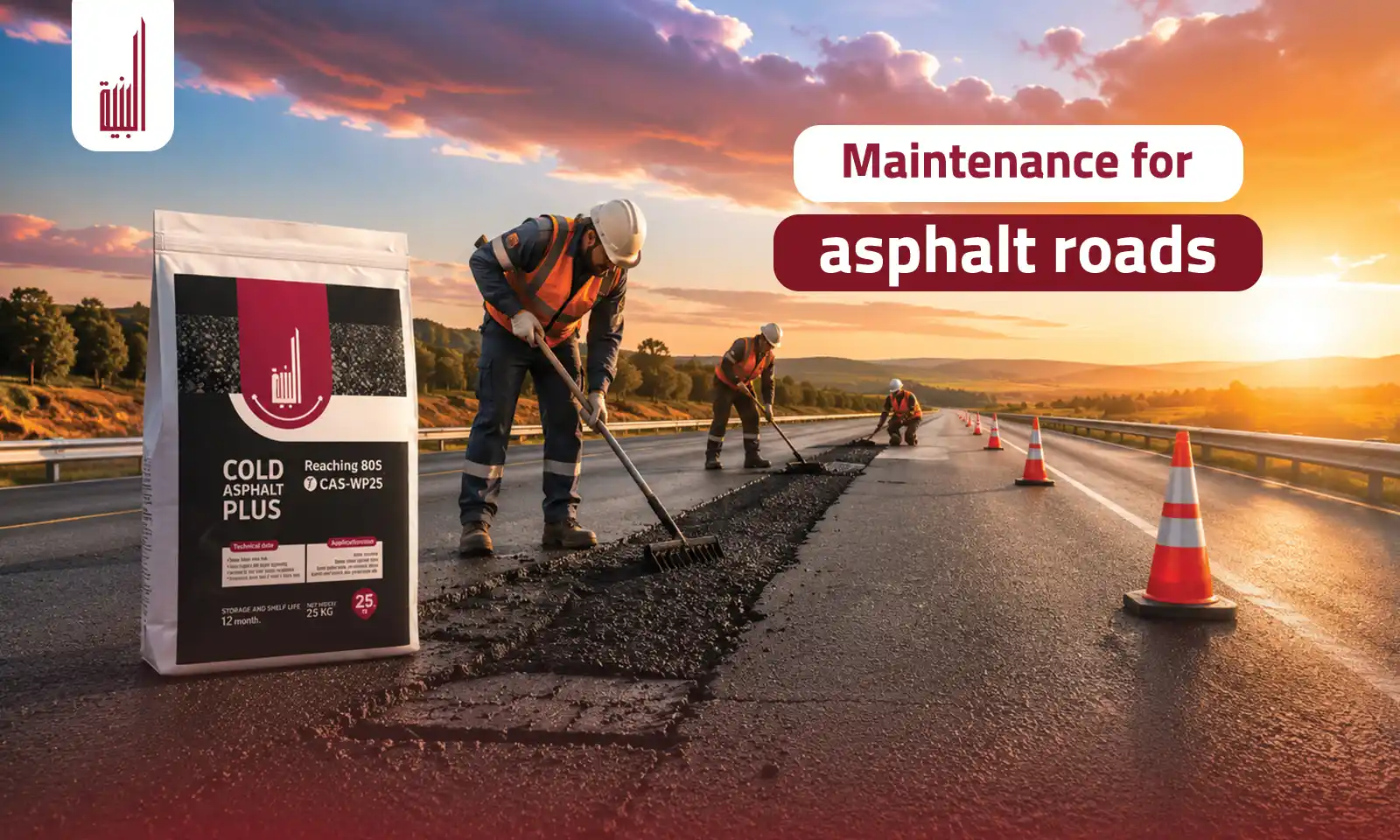
Maintenance for asphalt roads is critical to maintaining road quality, safety, and reducing long-term infrastructure costs. Heavy traffic, weather, moisture, and oxidation are constant challenges to asphalt pavements and cause them to deteriorate over time. If the maintenance program is not in place, minor defects can escalate to major structural failures that will be very costly to rehabilitate or reconstruct. Professional maintenance is a blend of routine inspections, preventative treatments, timely repairs, and quality materials to ensure the longest life for the pavement. Albenya offers road maintenance solutions and cold asphalt products to municipalities, contractors, and private companies, enabling them to keep their roads safe and durable.
Preventive Maintenance vs Corrective Maintenance
There are two types of maintenance for asphalt roads: preventive and corrective maintenance. The distinction can help owners of infrastructure to allocate budgets more efficiently and to increase pavement life.
| Maintenance Type | Purpose | Best Time |
| Preventive Maintenance | Stops minor defects before they worsen | Early stages of deterioration |
| Corrective Maintenance | Repairs existing damage affecting pavement performance | After defects become visible |
Preventative maintenance involves crack sealing, surface treatments, drainage cleaning, and periodic inspections. Corrective maintenance is the process of repairing sections of pavement that have failed or are damaged and have deteriorated. Preventive maintenance is generally more cost-effective since it avoids the need to undertake major rehabilitation.
Early Warning Signs of Pavement Failure
Early detection of pavement distress enables maintenance personnel to take action before the problem becomes widespread in the road structure.
Common signs are:
- Fine cracks, parallel to the grain.
- Small potholes.
- Surface raveling.
- Water accumulation on the ground following rain.
- Heavy traffic rutting.
- Asphalt oxidation and faded asphalt color.
These problems can be identified early through regular inspections, and repairs can be planned for before they become more costly.
Seasonal Challenges Facing Asphalt Roads
Every season presents different challenges for asphalt pavements. Rutting can occur during heavy traffic when temperatures are high enough to soften the asphalt, and rain can cause water to get into existing cracks and compromise the pavement base. Freeze-thaw causes cracking and potholes in colder climates.
Regular inspections before and after extreme weather events, timely crack sealing, drainage maintenance, and quick pothole repairs are essential parts of a seasonal maintenance program for asphalt roads that will help prevent long-term deterioration.
Budget Planning for Long-Term Road Performance
Long-term maintenance planning for asphalt roads is a tool that helps organizations manage infrastructure costs and ensure the quality of the roadway. Rather than waiting for serious pavement deterioration, planned maintenance spreads out costs and minimizes emergency repair needs.
The Federal Highway Administration (FHWA) states that the life cycle costs of timely preventive maintenance are much lower than the life cycle costs of major rehabilitation.
The following are usually priorities for the maintenance budget:
- Annual pavement inspections.
- Crack sealing programs.
- Drainage maintenance.
- Surface patching.
- Resurfacing every so often if necessary.
Drainage Issues and Their Impact on Road Surfaces
Water is a major cause of the deterioration of asphalt pavement. Poor drainage allows moisture to enter the cracks, soften the foundation of the pavement, and cause structural damage.
Maintaining drainage involves:
- Cleaning drainage channels.
- Preventing standing water.
- Repairing damaged shoulders.
- Ensuring adequate surface slopes.
Good drainage helps to maintain the integrity of the pavement structure, minimizes failure due to moisture, and increases road service life.
Maintenance Strategies for High-Traffic Roads
High-volume roads are more likely to be subjected to more frequent monitoring and Maintenance for asphalt roads since they are under more structural stress. Proactive maintenance strategies are best suited for high-traffic corridors and minimize disruption while maintaining pavement quality.
Recommended strategies include:
- Frequent condition assessments.
- Rapid pothole repairs.
- Scheduled crack sealing.
- Cold asphalt applications for emergency maintenance.
- Regular resurfacing, depending on pavement condition.
Localized repairs with cold asphalt enable maintenance crews to quickly rehabilitate damaged sections of pavement with minimal disruption to traffic.
The Role of Crack Treatment in Preservation Programs
Crack treatment is one of the most effective preventive maintenance practices, as it keeps water out of the pavement structure. Moisture can seep through even the smallest cracks, which can cause potholes and structural issues over time.
The advantages of crack treatment are the following:
- Preventing moisture damage.
- Slowing pavement deterioration.
- Minimizing future repair expenses.
- Increasing the service life of pavements.
- Fostering widespread preservation initiatives.
Crack treatment, in conjunction with regular inspections and prompt repairs, extends the service life of pavements for many years.
Building Sustainable Road Networks Through Smart Maintenance
Road infrastructure must be maintained, not rebuilt, to be sustainable. Smart maintenance strategies for asphalt roads strategies focus on proactive maintenance, use of quality materials, and data-based decision-making to optimize pavement performance while reducing environmental impacts and total costs.
Studies indicate that preventive maintenance can enhance pavement performance and contribute to extended pavement service life over reactive maintenance strategies. Through regular inspections, quality repair materials, and planned maintenance schedules, organizations can create road networks that are not only safer and more reliable but also more economical in the long run.
Contact Us
Looking for professional maintenance for asphalt roads? Albenya provides reliable road maintenance services, cold asphalt solutions, and pavement preservation expertise to help extend pavement life and improve infrastructure performance. Contact today to discuss your road maintenance requirements and find the right solution for your project.
FAQS
Why is it important to maintain asphalt roads?
By keeping pavement in regular maintenance, minor pavement defects will not turn into major structural failures, thus enhancing safety and lowering the long-term repair costs.
How frequently should the asphalt roads be inspected?
Regular inspections of most roads should be performed at least once a year, and should be performed more often after heavy use or extreme weather.
What is the difference between preventive maintenance and corrective maintenance?
Preventative maintenance deals with small problems before they get worse, and corrective maintenance works to correct pavement damage that has already taken place due to deterioration.
What happens when water drains into asphalt pavement?
Good drainage will keep water out, preserve the foundation of the pavement, and greatly reduce moisture-induced deterioration.
Leave A Comment