
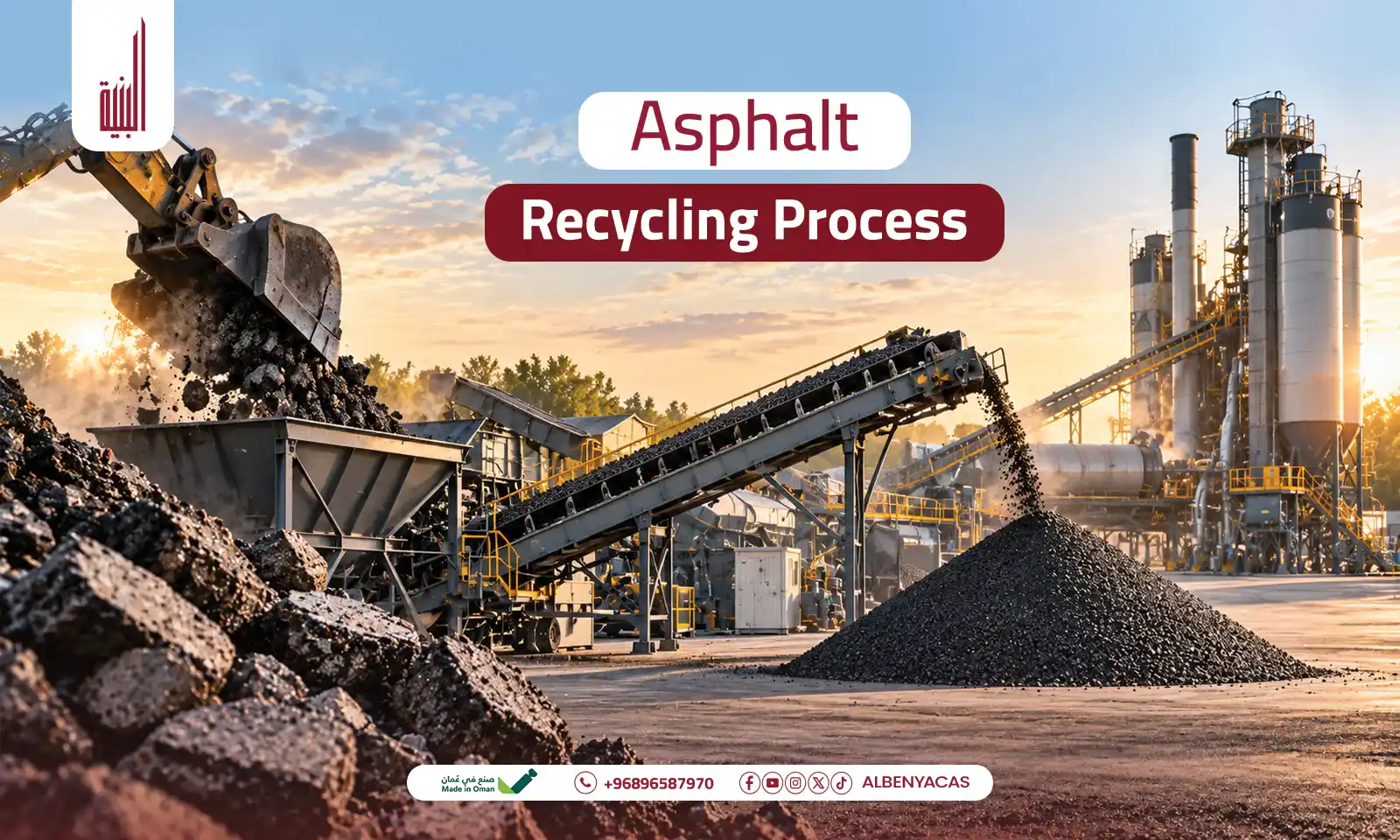
Old asphalt material is plentiful and can be collected and reused in road maintenance and/or rehabilitation projects. Recycling of this material can help to decrease the need for additional aggregates and asphalt binder and can offer a viable method for pavement renewal. asphalt recycling process refers to the removal, processing and use of existing pavement material in new or existing pavement applications. The specific process used will be determined by the condition of the pavement, project specifications, equipment available and the kind of recycling method used. Knowing the general phases and available techniques can assist contractors and road authorities with the planning of pavement projects more effectively.
What Is the Asphalt Recycling Process?
asphalt recycling process to recover existing asphalt pavement materials so part of it may be used for the reconstruction or maintenance of roads. These conditions can be achieved by recycling removed asphalt to create reclaimed asphalt pavement (RAP) as a material that is more useful than asphalt waste.
Lots of valuable aggregates and residual asphalt binder may be contained in reclaimed material. Once processed and quality checked, it can be used in new asphalt or recycled using recycling methods on site.
Different pavement rehabilitation needs can be treated in the same way, depending on the pavement condition, material properties, traffic needs, and project specifications.
How Does the Asphalt Recycling Process Work?
The first step in asphalt recycling process is to remove or treat existing pavement. The material is then shipped to the recycling plant or recycled at the location, depending on the recycling process chosen.
The existing pavement should be evaluated prior to recycling to establish the pavement composition and condition. Materials can be milled from the surface or removed during deeper pavement rehabilitation.
Reclaimed asphalt is generally prepared for reuse by reducing the particle size or by adjusting the material quality. It can then be mixed with any new aggregates, asphalt binder, recycling additives, or approved materials as per the chosen mixture design. The rock product to be recycled shall be technically satisfactory for the purposes to which it is intended.
Main Stages of Asphalt Recycling
The asphalt recycling process may include several steps, but the number of steps will depend on the technology used for recycling.
- Pavement Assessment: Existing pavement is assessed to gain an understanding of the condition, composition and rehabilitation needs of the pavement.
- Existing asphalt is milled/removed from the pavement.
- Material processing: Reclaimed asphalt is screened, crushed, or otherwise processed to make it the right consistency.
- Material Testing: The reclaimed material is tested for aggregate properties, binder properties, as well as other aggregate parameters.
- Recycled material mixing: When necessary, the recycled material is mixed with the new material or additives.
- Placement: Recycled mixture is being placed with appropriate paving equipment.
- Compaction: Rollers is used to compact the material to provide the desired pavement density.
- Quality control: Final pavement is inspected and tested as per project requirements.
Effective quality control during all of these is critical because characteristics of reclaimed pavement may be different depending on the type of original pavement and previous maintenance.
Hot Mix and Cold Recycling Methods Explained
There are various methods that can be employed in the asphalt recycling process for a particular project. There are two general classifications: hot recycling and cold recycling, and a variety of specific technologies will fall under each of these classifications.
Generally, hot recycling requires heating reclaimed asphalt material so that it can be mixed into the new asphalt mixture. This may occur at the asphalt mixing plant where the RAP is mixed with new aggregates and binder as needed. Cold recycling is a recycling process that requires minimal or no heating. Reclaimed pavement may be processed and mixed with various materials such as asphalt emulsion, foamed asphalt, cement, or other stabilizing agents, depending on the technique.
| Recycling method | General approach | Typical consideration |
| Hot mix recycling | RAP is incorporated into a heated asphalt mixture | Requires temperature and mixture control |
| Cold in-place recycling | Existing pavement is processed and treated on site | Reduces the need to transport removed material |
| Full-depth reclamation | Pavement and underlying material are processed together | Used for deeper pavement rehabilitation |
| Plant recycling | RAP is processed and incorporated at an asphalt plant | Allows controlled mixture production |
The appropriate technique should be selected based on pavement condition, structural requirements, available equipment, and project specifications.
Environmental Benefits of the Asphalt Recycling Process
Asphalt Recycling can benefit the environment by reducing the need to dispose of materials. Packing with existing pavement can also help to reduce the need for virgin aggregates and can also help to decrease the amount of new asphalt binder needed in some applications.
The possible benefits for the environment are:
- Less use of virgin aggregate resources.
- Reduced amounts of removed pavement taken for disposal.
- Decreased demand for moving new raw materials in projects.
- Use of recycled asphalt binder and aggregate.
- More efficient use of materials from pavement rehabilitation.
Depending on the recycling approach, transportation needs, energy consumption, the amount of material being recycled or project conditions, the actual environmental impact will vary. The process of recycling is best when done as part of an appropriate pavement management program and doesn’t fit into a single cookie cutter solution.
When Is Recycling Old Asphalt a Practical Choice?
The asphalt recycling process may be an effective solution if materials can be recovered from existing pavement and the project conditions are favorable for recycling. It has a special significance for rehabilitation schemes involving the large removal or processing of existing asphalt. There are a number of factors to consider when choosing a method of recycling:
- Existing pavement condition
- The material used and its quality.
- Required pavement performance
- Traffic loading
- Available recycling equipment
- Transportation distances
- Project specifications
- Local material availability
Not all pavements can be recycled. The rehabilitation strategy may be affected by severe contamination, inappropriate material properties, large-scale structural damage, or particular project-specific requirements. A technical evaluation is used to identify if reclaimed materials will comply with the standards for the pavement being proposed.
Sustainable Road Solutions With Albenya
Albenya supports road and pavement projects with asphalt-related products and solutions designed for different maintenance and construction requirements. Sustainable pavement management can involve selecting appropriate materials, reducing unnecessary waste, and using resources efficiently throughout the project lifecycle.
For contractors and project managers, understanding available asphalt materials is an important part of planning road maintenance and rehabilitation work. The right solution depends on pavement condition, application requirements, project scale, and technical specifications.
Looking for practical asphalt solutions in Saudi Arabia? Contact us to discuss your project needs.
FAQS
What is the asphalt recycling process used for?
The asphalt recycling process is used to recover and reuse existing pavement materials in road construction and rehabilitation. Depending on the selected method, reclaimed asphalt can be incorporated into new mixtures or processed directly within the existing pavement
Is recycled asphalt suitable for roads?
Recycled asphalt can be suitable for various pavement applications when the reclaimed material is properly processed, tested, and incorporated into a mixture that meets the required engineering and project specifications
What is the difference between hot and cold asphalt recycling?
Hot recycling uses heat to incorporate reclaimed asphalt into a new asphalt mixture, while cold recycling generally processes reclaimed pavement with limited or no heating. The suitable method depends on pavement conditions and project requirements
Leave A Comment