
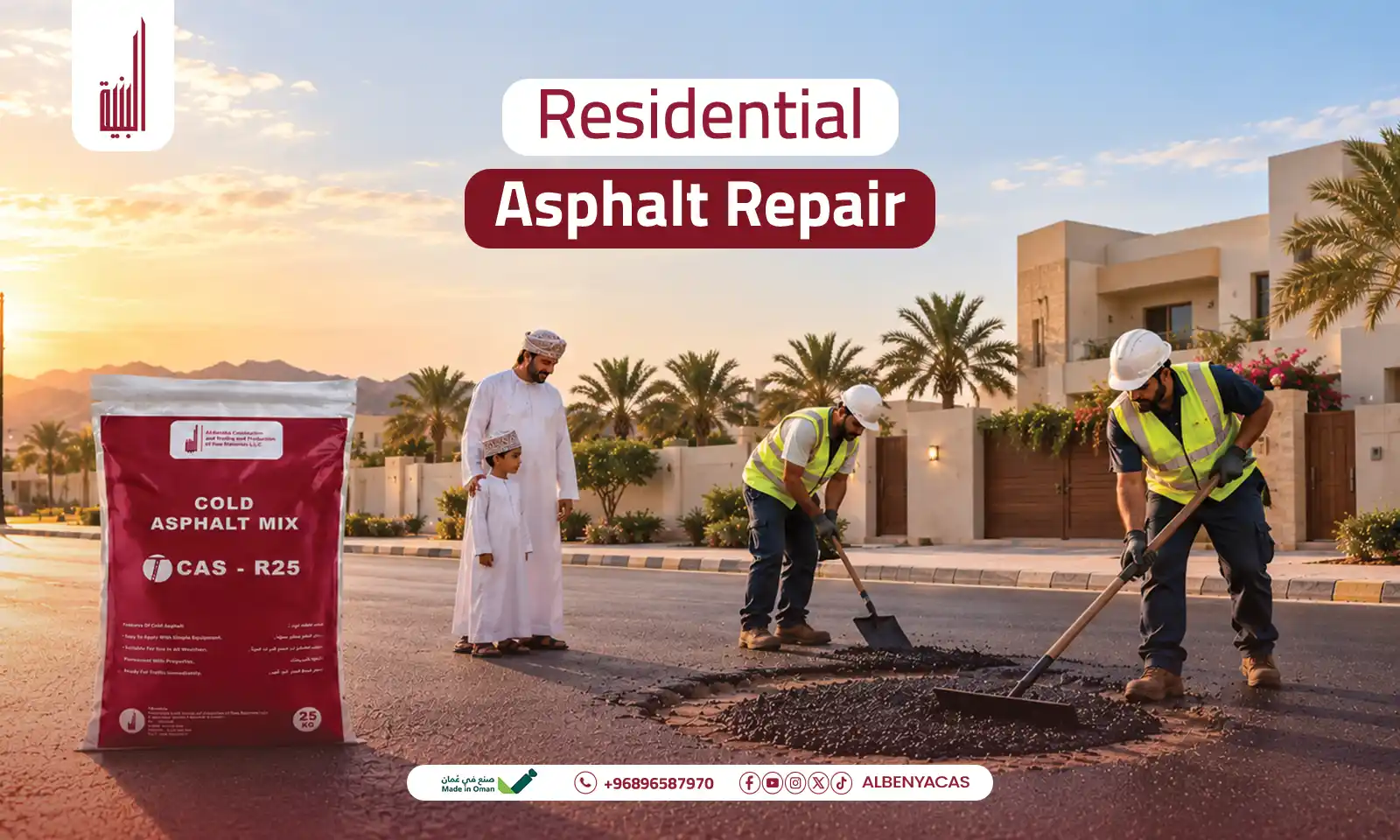
Over time, asphalt surfaces around homes can crack, pothole, become uneven, and otherwise become damaged. Pavement deterioration can happen due to weather, infiltration, vehicle traffic, drainage issues, and general wear and tear. If these issues are dealt with early, then the defects on the surface can be avoided from becoming more extensive issues that need more work. Residential asphalt repair encompasses various maintenance strategies designed to repair damaged asphalt surfaced areas such as a driveway, private road, or parking area around a home. This will vary with the type of damage, the condition of the existing pavement, and the cause of the problems.
What Is Residential Asphalt Repair?
Residential Asphalt Repair: This type of service involves repairing asphalt surfaces that are damaged around residential homes and properties. Depending on the condition of the pavement, repairs can vary from cracking as-is to removing and replacing sections of the pavement that are severely deteriorated. The goal isn’t just to camouflage surface damage. The condition of the surrounding pavement, drainage, surface preparation, and material used for the repair should be taken into account when making a proper repair.
The typical residential areas that may need asphalt maintenance are:
- Driveways
- Private access roads
- Residential parking areas
- A paved courtyard and paved entrances.
Residential roads are characterized by small service roads encircling residential developments. The repair method should be chosen based on pavement condition, but not as a standard approach for all pavement defects.
When Does Your Property Need Residential Asphalt Repair?
Early deterioration symptoms in asphalt pavement can be easier to remedy than when it has reached failure. Cracks can start as small openings on the surface but may enlarge if water enters the pavement and the load from vehicles increases on the damaged pavement.
If your property is showing any of the following signs of residential asphalt repair, then it is time to take action:
- Cracks that continue to expand
- Pothole(s) less than 1% of tire surface area or in the process of developing.
- A loose aggregate surface (a surface made from a loose aggregate)
- Low spots or areas that are depressed.
- Pooling of water after rain. Rainwater holding after rain.
- Excessive cracks on the pavement.
- Areas where previous repairs have deteriorated
Damage also depends on the cause of the damage. For instance, if there are recurring potholes at the same spot, this could be an issue with drainage or structural concerns, not just the surface of the road. Albenya will be able to help you determine the right asphalt solutions for the maintenance you need.
Residential Asphalt Repair Methods for Cracks and Potholes
There is a variety of defects that need different repair techniques. A relatively simple treatment might be necessary for small cracks, while potholes or badly damaged areas could necessitate removal and replacement of the damaged material.
If there are cracks, the repair method may be to clean the cracks and apply the appropriate repair material for cracks. The goal is to stop water from getting in and to stop the crack from growing larger.
Usually, the pothole material is excised or treated prior to installing new asphalt. The area should be sufficiently stable to accommodate the repair.
The cold asphalt products can also be beneficial for some maintenance and repair applications where heating of conventional hot-mix asphalt is not needed.
This is dependent on:
- The dimensions and depth of the fault.
- The surrounding condition of the pavement.
- Traffic levels on the repaired area.
- Site and weather conditions.
- Whether there is any damage, whether caused by water or drainage issues.
Contact Albenya to talk about your project needs for practical asphalt maintenance materials.
How Long Does Residential Asphalt Repair Take?
The length of time residential asphalt repair takes primarily depends on the size of the damaged area, the method of repair, the surface preparation requirements, and site conditions.
A small isolated crack or pothole can need a lot more work than a driveway that has a lot of potholes and deterioration. Preparation can also have an impact on the schedule if damaged material must be removed, if a surface is to be cleaned, and if underlying issues are to be resolved.
| Repair situation | Typical work involved |
| Small cracks | Cleaning and crack treatment |
| Isolated pothole | Preparation, filling, and compaction |
| Multiple potholes | Several localized repair areas |
| Widespread surface damage | Larger resurfacing or rehabilitation work |
| Drainage-related damage | Repair may require drainage correction |
Actual project duration should be determined after assessing the pavement and the required repair method.
What Factors Affect Residential Asphalt Repair Costs?
The fees for repairing asphalt in residences are quite varied depending on the property. Costs and methods for small localized repair will likely be quite different than a larger pavement rehabilitation project.
Some of the key cost considerations are
- Total repair area
- The depth and extent of the damage
- The type of asphalt that is needed.
- Surface preparation
- Removal of damaged pavement
- Accessibility of the property
- Equipment and manpower needs
- Problems with drainage or underpavement conditions.
In a maintenance project, material selection is a crucial key. If there are existing issues, the initial cost of a product might not be the most appropriate choice. Appropriate assessment allows defining what is needed to be done and minimizes the risk of addressing only the symptoms.
Keep Your Property in Better Condition With Albenya
Albenya supplies road maintenance services and asphalt products for various applications in pavement in Saudi Arabia. It offers its customers cold asphalt solutions for repair and maintenance applications when practical use and material handling are a concern.
The correct type of asphalt product may vary based on the nature of the defect, size of the repair, anticipated use, and site conditions for residential applications. By familiarizing themselves with these considerations prior to initiating maintenance, contractors and property owners can choose an appropriate maintenance strategy. In the case of damaged asphalt, Albenya can assist you in finding a suitable repair solution for the application.
How to Maintain Asphalt After Residential Repairs
With good maintenance practices, repaired pavement can last longer, and defects can be minimized. Following residential asphalt repair, the surface should be inspected periodically for cracks, potholes, drainage, and other problems.
- Some simple maintenance practices include:
- Avoid leaving standing water out on the pavement.
- Maintain the drainage system as it should be.
- Examine cracks before they get larger.
- Repair potholes promptly.
- Do not place overloaded loads in areas not intended for such loads.
- Maintain edges of pavement.
- Observe the repaired areas in various meteorological conditions.
Water management is especially important because repeated moisture exposure can contribute to pavement deterioration. Keeping drainage paths clear and addressing areas where water consistently collects can help protect the surrounding asphalt.
Regular inspections are also useful after major weather events or periods of heavy vehicle use. Early maintenance can make it easier to address localized problems before they spread across a larger section of pavement.
FAQS
What is residential asphalt repair?
It is the process of restoring damaged asphalt surfaces around residential properties, including driveways, private roads, parking areas, and entrances. Depending on the damage, work may include crack treatment, pothole repair, patching, resurfacing, or replacement of severely deteriorated sections.
How do I know if my driveway needs repair?
Visible cracks, potholes, loose aggregate, depressions, uneven areas, and standing water can indicate that maintenance is needed. Recurring damage in the same location may also suggest drainage or underlying pavement problems that require further assessment.
Can cold asphalt be used for residential repairs?
Cold asphalt can be used for certain pavement maintenance and repair applications, particularly localized defects such as potholes. The suitability of the material depends on the pavement condition, application requirements, traffic, and site conditions.
Leave A Comment