
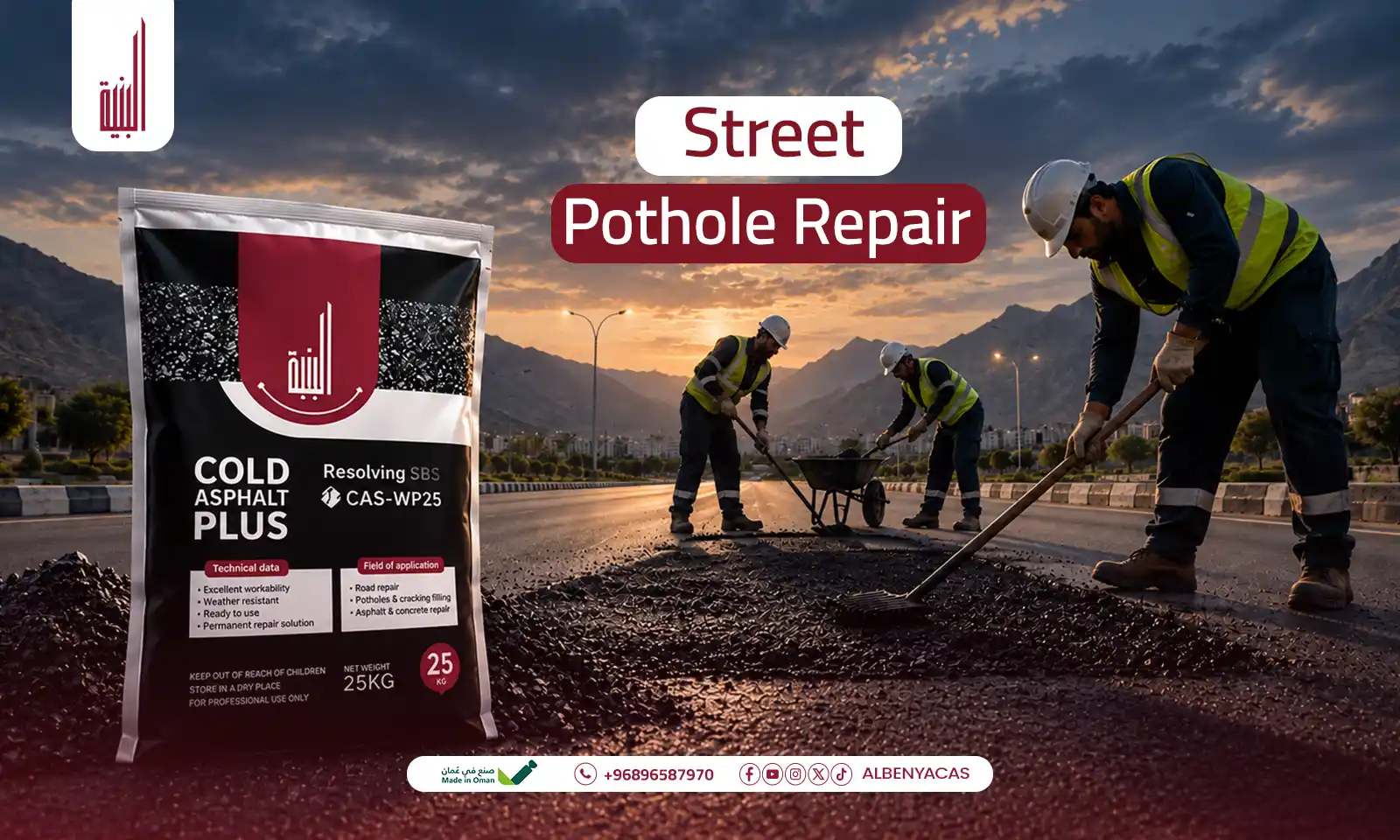
Street pothole repair is a vital component in the regular upkeep of streets since untreated potholes can turn into bigger and more costly pavement issues in no time. Potholes are created by water intrusion through cracks or weak spots in asphalt pavement, and repeated traffic activity over time breaks down the pavement. This repair work is necessary when damage occurs early to keep the roads smooth and prevent any further damage to them and to keep drivers, pedestrians, and businesses around them from being inconvenienced.
Street Pothole Repair for Fast and Practical Road Maintenance
The first step in a successful street pothole repair is to determine the cause and degree of damage. Moisture entry, pavement aging, high traffic loads, inadequate drainage, and reiterative stresses on a deteriorating surface are all potential causes of a pothole.
If the defect occurs in a particular area, a patching or a limited resurfacing operation might be the only solution to rehabilitate that area. This is a great method for municipalities, property managers, contractors, and facility operators to use when managing roads and paved areas.
Cold Asphalt is ideal for rapid repairs when needed. It is easily transportable, can be stored for future maintenance projects, and can be applied when localized pavement damage demands immediate attention.
How Cold Asphalt Helps Repair Damaged Street Surfaces
Cold asphalt is a convenient material for repairing specific areas of pavement because it does not need to be heated like conventional hot mix asphalt. This is helpful for maintenance and smaller repairs when an emergency arises.
Key advantages include the following:
- Ready-to-use application
- No need for any type of heating equipment.
- Easy transportation and storage
- Fast repair operations
- Reduced traffic interruption
- Use of localized damage for practical use.
- It is suitable for regular servicing.
The Right Steps for Preparing a Pothole Before Repair
Street pothole repair needs plenty of preparation. Doing so will lower the quality of the final repair if it is done directly over loose material, dirt or standing water.
The damaged area typically needs to be prepared prior to the cold asphalt application by the following steps:
- Scrape out loose asphalt material from the pothole.
- Remove dirt, dust, and other debris.
- Eliminate standing water if possible.
- Look for loose pavement along the side.
- Cover prepared area with suitable repair material.
- Properly compact the material.
- Inspect repaired surface before area reopens for traffic.
How Weather and Traffic Affect Pothole Repairs
The success of pavement repairs can be greatly affected by weather and traffic conditions. Potholes can be caused by rain and moisture, which enter crevices and help to soften underlying pavement layers.
Repaired roads also take repeated loads from heavy traffic, especially from trucks, buses, and other heavy vehicles. More frequent inspection and maintenance might be required for sites with heavy usage.
When assessing street pothole repair, it is therefore important for maintenance teams to take into account the condition of the surrounding pavement, the traffic load to be expected, the drainage of the street, and the weather conditions. Selection of a suitable repair material and correct application procedures can be used to enhance the effectiveness of local repairs.
Get Practical Pothole Repair Solutions from Albenya
For effective street pothole repair, having a practical asphalt material available when needed can make pavement maintenance faster and easier. Albenya provides ready-to-use cold asphalt solutions designed for localized repairs without the need for heating or extensive equipment. The material can be stored conveniently and used by municipalities, contractors, industrial facilities, commercial properties, and parking areas when pavement damage requires a quick response.
| Feature | Benefit for Street Pothole Repair |
| Ready-to-Use Formulation | Allows maintenance teams to apply the material when repairs are needed without lengthy preparation. |
| Easy Handling | Makes the material practical for routine maintenance and localized pavement repairs. |
| No Heating Required | Eliminates the need for heating equipment before application, simplifying repair work. |
| Convenient Storage | Can be kept available for planned maintenance or unexpected pavement damage. |
| Fast Application | Helps maintenance teams address potholes and localized surface damage more efficiently. |
| Practical Emergency Maintenance | Provides a convenient option when developing pavement damage requires a quick response. |
| Reduced Equipment Requirements | Helps simplify repair operations by reducing the need for specialized application equipment. |
| Wide Range of Applications | Suitable for municipalities, industrial facilities, commercial properties, parking areas, and road maintenance contractors. |
Contact Albenya
If you are looking for a quick and easy solution for repairing potholes, the company offers ready-to-use cold-mix asphalt that enables fast and efficient pavement maintenance and preservation. Contact us to learn more about available asphalt repair products and to determine the best option for maintaining your roads, parking lots, or infrastructure.
Street Pothole Repair for Roads, Parking Areas, and Walkways
The need for street pothole repair extends beyond public streets. Other asphalt surfaces such as parking lots, pedestrian walkways, industrial yards, access roads, service areas, and others may also have potholes.
There will be different traffic loads and maintenance needs at each location. Passenger vehicles and turning movements can create parking areas, and much heavier loads can be generated by trucks and equipment in industrial yards.
With the right cold asphalt solution, property owners and maintenance staff can repair areas of the pavement that are damaged without having to resort to a complete pavement resurfacing project. Small defects, which can grow into larger pavement failures, can also be detected through regular inspections.
Therefore, the combination of planned maintenance and timely repair of potholes can help to control the lifecycle of asphalt pavement and maintenance requirements over time.
When Should a Pothole Be Repaired?٢
Most potholes should be patched as soon as they are spotted, especially if they’re in a high-traffic area or if they worsen. Putting off pothole repair will cause deterioration to increase due to vehicle loads and water.
It is especially fitting when:
- The pothole is increasing in size.
- It has a fractured border.
- Water collects within the damaged area.
- It is frequently used by heavy vehicles.
- The pothole creates a hazard for road users.
- Nearby cracks are growing.
- The pavement around is deteriorating.
A localized defect can become a larger pavement problem that will need more extensive work if it is not addressed early.
FAQs
What causes potholes on streets?
Potholes commonly develop when water enters cracks or weak sections of asphalt and repeated traffic loads cause the pavement to deteriorate. Aging surfaces, poor drainage, heavy vehicles, temperature changes, and inadequate pavement construction can also contribute to pothole formation.
Is cold asphalt suitable for pothole repairs?
Yes, ready-to-use cold asphalt is suitable for many localized pothole and pavement repair applications. It is particularly practical when maintenance teams need a material that does not require heating equipment and can be applied quickly during routine or emergency maintenance.
Does a pothole need to be repaired immediately?
Repairing a pothole early is recommended because continued traffic and moisture can increase its size and surrounding pavement damage. Prompt maintenance can limit deterioration and reduce the likelihood of requiring more extensive repairs later.
Can cold asphalt be stored for future repairs?
Ready-to-use cold asphalt can be particularly convenient for maintenance programs because it can be stored and used when localized pavement damage occurs, subject to the manufacturer’s storage recommendations. This makes it practical for organizations managing multiple roads or paved areas.
Where can cold asphalt be used?
Cold asphalt can be used for suitable localized repairs on streets, parking areas, access roads, industrial surfaces, walkways, and other paved areas. The appropriate application depends on the pavement condition, traffic requirements, damage type, and product specifications.
Leave A Comment