
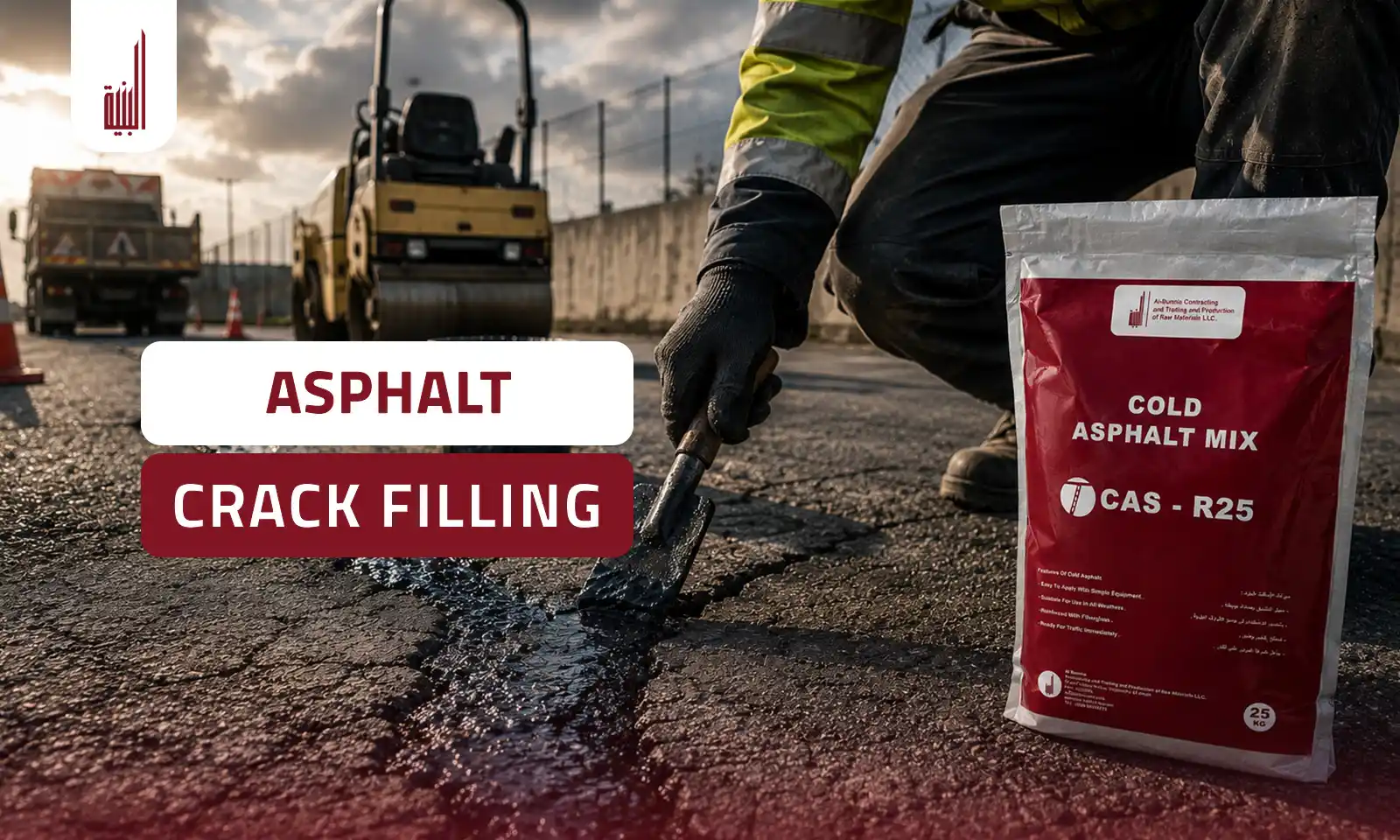
Asphalt pavements are subjected to traffic loads, temperature cycling, moisture, and environmental stresses all of the time. These factors will lead to cracking of the pavement surface over time, leading to poor durability and safety. Even minor cracks can grow rapidly if not treated and can cause extensive damage if left untreated. One of the best preventive maintenance strategies for the protection of roads, parking lots, highways, and industrial asphalt surfaces is professional asphalt crack filling. Promptly sealing openings on surfaces will help prevent water from entering the pavement, decrease deterioration, and prolong pavement life significantly.
Why Crack Filling Is Essential for Pavement Protection
Asphalt deterioration is usually first noticed by cracking. When there are openings in the pavement through which water can seep into the layers below, the base layers start to deteriorate. This will eventually lead to potholes, surface failures and structural instability.
There are several important reasons why crack filling is important:
- Resists infiltration of water in the pavement layers
- Minimizes the potential for pothole development.
- Maintains the structure of asphalt surfaces
- Enhances driving safety and comfort on the road.
- Saves pavement from deterioration
- Saves on costly future repair costs
Pavement maintenance research indicates that preventive crack sealing and filling can be a useful strategy to help prolong the life of asphalt pavement if it is done at an early stage.
Common Causes of Asphalt Cracks
There are many factors that contribute to asphalt pavement cracking, such as traffic stress and environmental conditions.
1. Heavy Traffic Loads
Heavy truck traffic and other vehicles can damage pavement surfaces over time, and cause cracking.
2. Temperature Changes
Asphalt expands during hot weather and contracts during cold weather. Surface stress is caused by repeated changes of expansion and contraction.
3. Water Damage
Moisture infiltration causes pavement base strength to decrease and promotes cracking and deterioration of the pavement.
4. Oxidation
Exposure to the sun and air cause asphalt binders to deteriorate more quickly, causing the surface to become dry, hard, and prone to cracking.
5. Poor Drainage
The absence of a proper drainage system allows water to pool on the pavement surface, thus raising the risks of structural damages.
6. Aging Pavement
Over time, asphalt will naturally deteriorate, particularly if not part of a regular maintenance program.
Types of Cracks in Asphalt Pavements
Types of Cracks in Asphalt Pavements
Different crack types require different repair approaches to maintain pavement performance effectively.
Common Asphalt Crack Types
| Crack Type | Description |
| Longitudinal Cracks | Cracks running parallel to the road direction |
| Transverse Cracks | Cracks running across the pavement |
| Alligator Cracks | Interconnected cracks caused by structural fatigue |
| Edge Cracks | Cracks forming near pavement edges |
| Block Cracks | Large rectangular crack patterns caused by aging |
the type of crack indicates how it will be best repaired and what materials can be used.
Step-by-Step Asphalt Crack Filling Process
There is a structured process followed by a professional asphalt crack filling that ensures long-lasting results.
Step 1: Pavement Inspection
Inspection of the pavement surface to determine the size, severity, and underlying damage of cracking.
Step 2: Cleaning the Cracks:
Air compressors or dusting machines are used to remove any dust, dirt, weeds, or moisture.
Step 3: Prepare the surface.
In some instances, cracks are slightly opened to make it easier to get the filler to stick to and penetrate the crack.
Step 4: Applying Crack Filler.
Crack filling materials (hot or cold) are placed in the cleaned cracks to completely seal the opening.
Step 5: Surface Finishing
So the fill is smoothed and leveled to give a smooth surface on the pavement.
Step 6: Final Inspection
Maintenance teams inspect the repaired area to ensure that it is properly sealed and durable.
Best Materials Used for Crack Filling
Repair durability and long-term pavement performance is influenced strongly by the quality of the crack-filling material.
Hot Rubberized Crack Sealants
They have superb flexibility and adhesion qualities and are suitable for roads that encounter temperature variations.
Polymer Modified Fillers
Polymer-enhanced materials make for more elastic and crack-resistant in high-traffic areas.
Cold Applied Fillers
Materials applied cold are usually used for temporary repairs or for smaller repairs that need to be performed as soon as possible.
Protect Your Pavement with Albenya Asphalt Crack Filling Solutions
Albenya Group offers expert asphalt repair and pavement protection services for roads, highways, industrial plants, and commercial projects. The company ensures crack-filling services of good quality, which are reliable in maintaining the pavement quality and enhancing its long-term durability.
Why Choose Albenya
- Professional pavement maintenance professionals
- Shrinkage joint filling machines that work at a high level of technology
- High-quality repair materials.
- Efficient project execution
- Long-lasting maintenance solutions
- Ensuring safety and quality standards. Compliance with safety and quality requirements.
By having professional maintenance services to help them, property owners can minimize future repairs and ensure safe surfaces and long-lasting pavement.
Contact Us
Need an asphalt crack repair service and pavement maintenance?
Contact Albenya Group today to discuss your project requirements and receive reliable asphalt maintenance solutions.
How Weather Impacts Asphalt Cracking
Asphalt deterioration and cracking is greatly affected by weather conditions.
Exposure to heat and UV can cause damage.
At high temperatures and in direct sunlight, the asphalt oxidizes, making the road surface dry and brittle.
Rain and Moisture
When water enters the pavement, it undermines the pavement foundation, and makes the pavement vulnerable to potholing and pavement failure.
Temperature Fluctuations
Stress is generated in the pavement structure due to the regular expansion and contraction of the pavement structure caused by varying temperatures.
A build-up of sand and dust.
Over time, dust and sand can decrease the effectiveness of the water being drained, and wear the pavement in some areas.
Tips to Prevent Future Pavement Damage
Preventive maintenance is key to maximizing performance and minimising repair expenses for asphalt.
Helpful Maintenance Tips
- Inspect pavements regularly for cracks and loose surfaces.
- To repair cracks as soon as possible.
- Maintain drainage systems.
- Do not carry heavy loads in excess of the vehicle’s capacity
- Use protective sealcoating as needed
- Dry up standing water promptly
- Ensure there is no water around the edges of surrounding pavement.
Regular maintenance services ensure the pavement remains in optimal condition, promoting safe driving conditions and extending its lifespan.
FAQs
What is asphalt crack filling?
Asphalt crack filling is a maintenance process used to seal pavement cracks and prevent water infiltration and structural damage.
Why is crack filling important?
Crack filling helps protect asphalt surfaces from moisture damage, potholes, and accelerated deterioration.
How long does crack filling last?
The lifespan depends on traffic conditions, weather exposure, and material quality, but professional crack filling can last several years.
Leave A Comment