
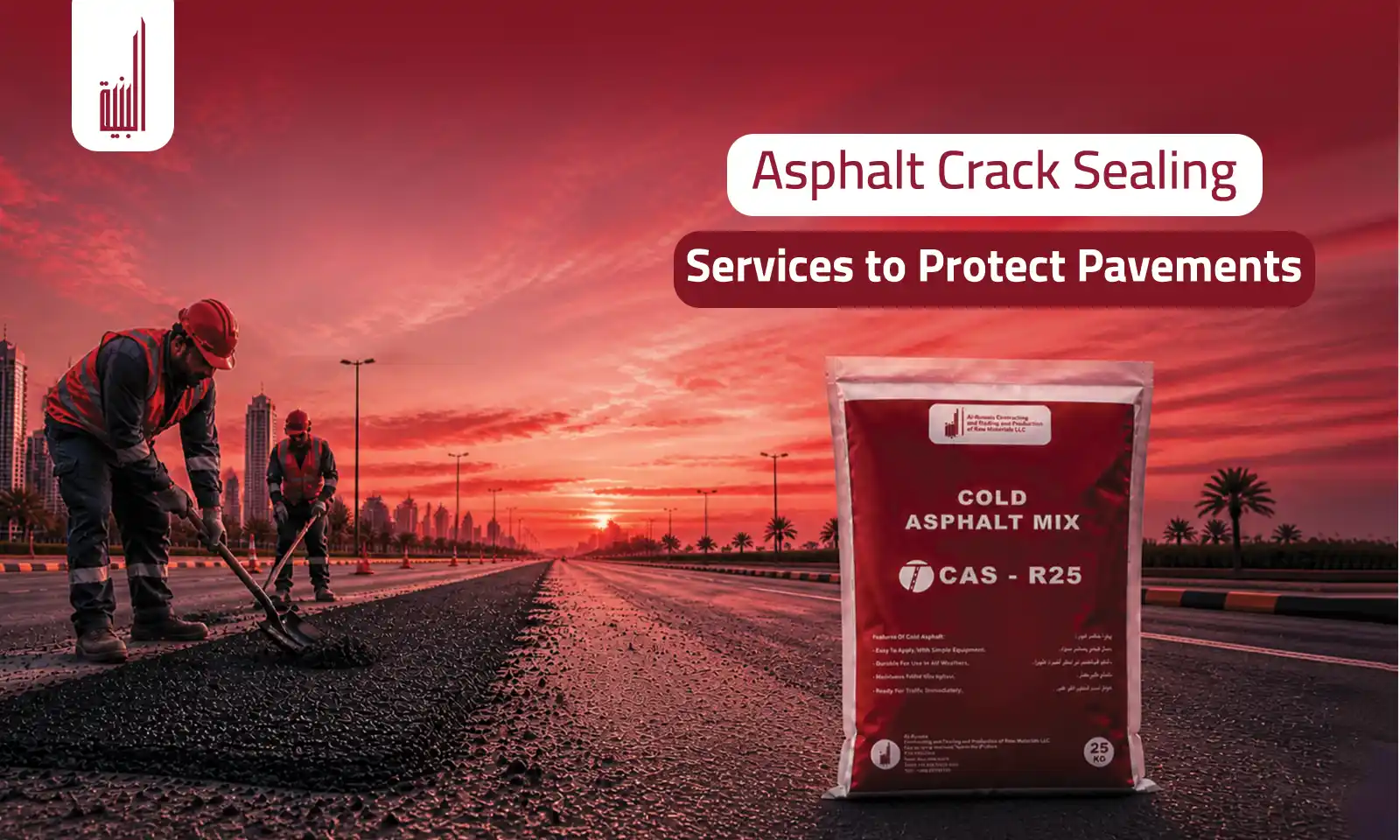
One of the most effective preventive maintenance methods of increasing the life of roads, parking lots and driveways is asphalt crack sealing. Small cracks can be taken lightly initially but when unattended to, they can spread very fast and cause severe structural damage. Professional asphalt crack sealing services are used to ensure that the pavement is not subjected to the effects of water and weather damage and future deterioration.
Asphalt crack sealing has gained importance in road maintenance strategies across the globe due to the increased loads on the road and the stress on the environment. It is an affordable alternative that can help avoid simple problems that can become costly repairs.
What is asphalt crack sealing?
Asphalt crack sealing is the act of using special material to fill and seal cracks in asphalt pavement in order to prevent water and other debris from getting into the pavement. Asphalt crack sealing is not about covering the problem, like temporary patching is, but is aimed at preventing further damage.
It is done by cleaning the crack, setting it in order and then applying the hot or cold sealing material which is bonded to the pavement. When the sealant is applied, a flexible barrier is formed that moves with the pavement as it contracts and expands.
Importance of early crack treatment
The sealing of asphalt cracks should be done in good time to make sure that minor cracks do not evolve into structural failures. In the case of cracks that are neglected, they increase in size as the traffic loads and environmental alterations. With time this will enable the water to work its way deep into the pavement layers to the bottom and sub-base. When the foundation is undermined, the strength of the road overall is reduced dramatically, causing more serious problems like potholes, edge breaks, and extensive pavement failure.
Moreover, moisture within the pavement structure causes ongoing damage, particularly during temperature variations. When water freezes in cold temperatures, it expands and cracks increase in size. Repeated expansions and contractions in hot conditions also put additional stress on the asphalt surface. This damage cycle is becoming more costly to fix without an early fix using an asphalt crack seal.
Steps of the crack sealing process
The asphalt crack sealing procedure has a sequence of systematic procedures aimed at achieving lasting outcomes. Sealing performance requires proper implementation of every step.
The steps involved in Crack Sealing:
- Removing dirt in the crack by using air or mechanical instruments.
- Cleaning up dust, debris and vegetation.
- Wiping up the surface in case of wetness.
- Adding primer as needed.
- Sealing the crack with sealing material.
- Finishing the surface with the appropriate finish.
All these measures are taken to make sure that the material used to repair the cracks in the asphalt settles and does not allow water to enter.
Materials used in crack sealing
Asphalt crack sealing is done using different materials based on climate conditions and the type of pavement. The two most prevalent ones are hot-poured rubberized sealants and cold-applied emulsions.
Hot sealants are popular in highway and high-traffic areas due to their flexibility and durability. Cold sealants are easier to apply and are often used for smaller maintenance projects.
The success of asphalt crack sealing and long-term pavement performance largely depends on the choice of material.
When to repair asphalt cracks
The primary time consideration in the effectiveness of asphalt crack sealing is time. Repairs should be done immediately when cracks occur to avoid the infiltration of water and subsequent expansion.
Cracks may become increasingly severe with time due to seasonal variations, such as freeze-thaw periods. Hence, periodic checkouts and timely sealing of asphalt cracks are critical in ensuring pavements remain intact.
Impact of cracks on road lifespan
The unsealed cracks have a great effect on reducing the life of asphalt surfaces. When water gets into the pavement layers, it undermines the base and causes potholes, surface deformation, and structural failure.
Asphalt crack sealing is also done properly in order to sustain the structural integrity of the pavement and to minimize costly reconstruction. Preventive maintenance is never as expensive as major repairs.
Cost of crack sealing services
Asphalt crack sealant costs vary based on various factors such as the size of the crack, the condition of the pavement, and the type of material used. Small cracks are comparatively cheap to fix, whereas the extensive cracking involves more work and materials.| Description| Impact on Cost
Cost Overview Table
| Factor | Effect on Cost |
| Crack Size | Larger cracks increase cost |
| Area Size | More surface area costs more |
| Material Type | Premium sealants cost more |
| Labor Needs | Complex jobs increase cost |
Altogether, asphalt crack sealing can be considered one of the most cost-effective pavement maintenance techniques.
Get Crack Sealing Services at Albenya.
Albenya will offer professional services on crack sealing of asphalt pavements, which is aimed at sustaining and prolonging the life of the asphalt pavements. Albenya is committed to long-term and long-lasting outcomes of roads, parking lots, and driveways using high-quality materials and cutting-edge techniques.
Contact Us
Albenya can be contacted at any time to seek asphalt crack sealing services that are reliable and suit your project requirements. They have a highly qualified staff that performs efficient and economical maintenance services to maintain the quality of pavements.
FAQs
What is asphalt crack sealing?
It is a preventive maintenance technique to seal and fill cracks in asphalt surfaces.
Why is crack sealing important?
It eliminates water intrusion and prolongs the life of the pavement.
What is the life span of crack sealing?
It may take a few years with regard to the traffic and weather.
Leave A Comment