
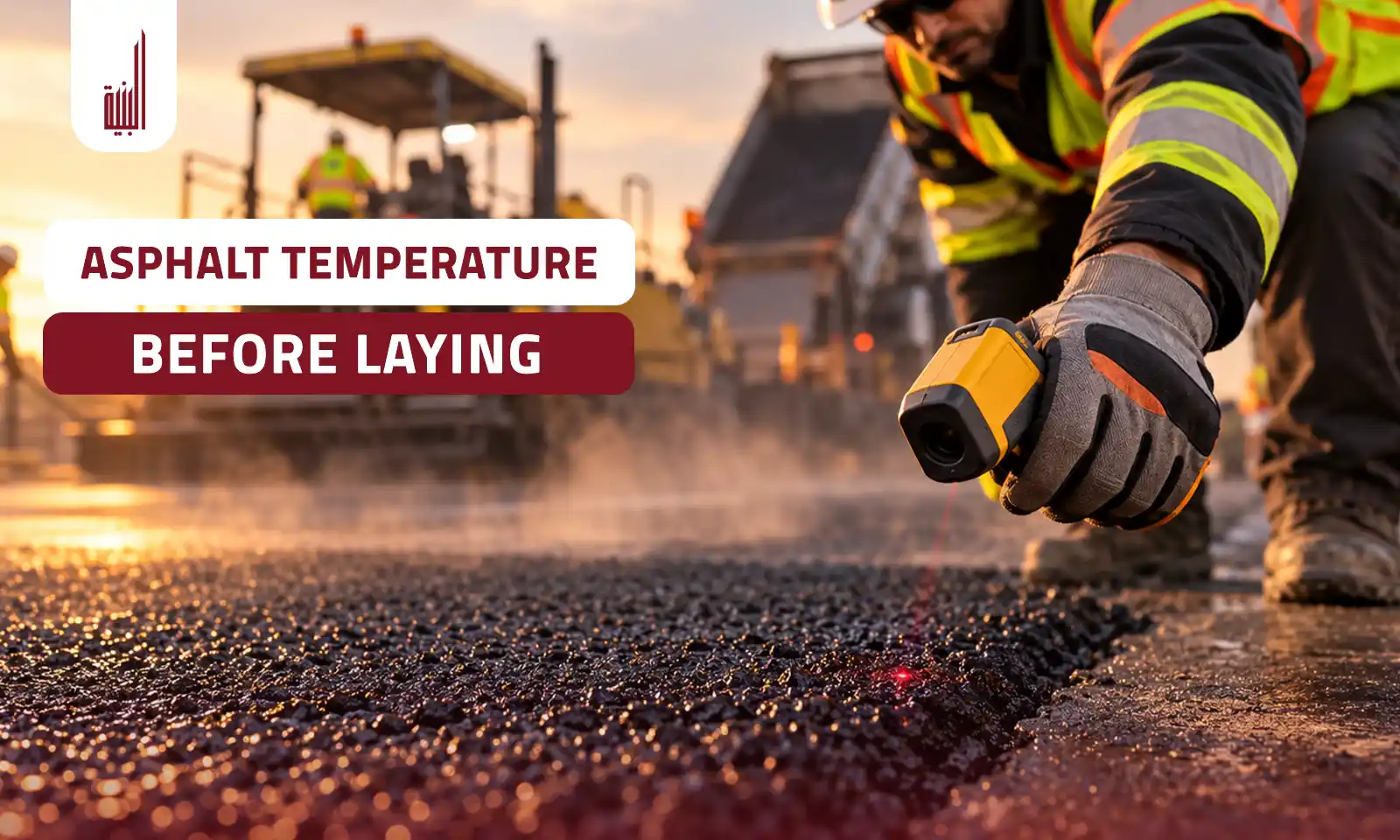
The temperature of the asphalt pavement affects the work of constructing the pavement and maintaining it. It influences the flowability of the mixture, and the ease with which it can be spread and compacted to produce a stable surface. An insufficient cooling rate or using a material at temperatures below or above the recommended range may make it more challenging to reach the recommended density and finish. Knowing the asphalt temperature before laying can help the contractor determine the best working conditions, match trucks to the job, and adhere to the specifications for each project. The proper temperature is determined, however, by the type of material being used hot mix asphalt, warm mix asphalt or cold asphalt.
Albenya is able to sell cold asphalt products for localized road repairs, which are a practical alternative for those applications where heating of the asphalt mixture at the repair site is not necessary.
Why Is Asphalt Temperature Before Laying Important?
Since the workability of hot asphalt mixtures is dependent on the temperature, it is important to monitor the temperature of the asphalt prior to laying. Once the mixture is warm enough, the binder will be still workable, and the aggregate particles will be able to flow during placement and compaction.
As the mixture cools down, the binder becomes thicker and it becomes more difficult to compact the mixture. If the asphalt is not at the proper temperature before attaining the proper density, the pavement may have too much air voids or a non-uniform surface.
Construction teams can benefit from temperature control in several ways:
- Keep the workability necessary for spreading and compaction.
- Run pavement to desired density.
- Minimize the chance of premature cool down in transit.
- Schedule deliveries with paving equipment.
- Fulfills technical and quality specifications of the project.
Too much heat is also not desirable as it can also cause binder aging and impact the material properties. Thus, it is recommended that contractors adhere to the approved mix design and the recommendations of the supplier and not solely try to achieve the highest temperature.
Requirements may vary widely for localised maintenance. Albenya’s cold asphalt products are engineered for use without the need to heat the mixture at the repair site.
What Temperature Should Asphalt Be Before Laying?
The correct asphalt temperature before laying depends on the mixture design, binder type, production method, layer thickness, and project specifications. There is no single temperature suitable for every asphalt product or paving operation.
Conventional hot mix asphalt is generally produced and delivered at elevated temperatures. Some hot mix specifications use placement temperatures around 135°C to 165°C, but the approved range may differ according to the binder and mixture design. Warm mix asphalt technologies can operate at lower temperatures.
The following table provides general context rather than universal acceptance limits.
| Asphalt type or operation | General temperature guidance | Important consideration |
| Conventional hot mix asphalt | Often approximately 135°C to 165°C during handling and placement | Follow the approved mix design and delivery requirements |
| Warm mix asphalt | Can be produced and placed at lower temperatures than conventional hot mix | The reduction depends on the technology and mixture |
| Hot mix compaction | Must remain within the specified compaction window | Temperature and required density must both be monitored |
| Cold asphalt repairs | No heating at the repair location is generally required | Follow the product-specific application instructions |
These ranges are indicative. Actual requirements can fall outside them, especially for modified binders and specialized mixtures. Project specifications and supplier guidance take precedence.
When checking asphalt temperature before laying, crews should also distinguish between the temperature of the delivered mixture and the temperature of the pavement surface. Both can affect whether the material can be placed and compacted successfully.
How Ambient Weather Conditions Affect Asphalt Temperature
Asphalt’s rate of heat loss is affected by weather. Cold temperatures, high winds and a cool underlying surface can reduce the time at which hot mix asphalt can be placed and compacted.
Heat can dissipate very rapidly on very thin pavement layers, because there is less material to retain heat. This can add to the difficulty in temperature control when transporting during cooler seasons or for extended distances.
Additional problems are created by rain. Hot mix asphalt should not be laid on a wet surface or in conditions that would involve it being improperly placed or compacted. The moisture and unstable ground conditions can affect the quality of the finished pavement.
While laying out paving jobs, contractors should take into account:
- Air temperatures and pavement surface temperatures.
- Wind speed and weather forecast.
- Thickness of the asphalt covering.
- Distance between mixing plant and site.
- Availability of paving & compaction equipment.
Understanding asphalt temperature before laying in different weather conditions helps teams schedule deliveries and prepare equipment before the material arrives.
For certain maintenance applications, using cold asphalt is an alternative method. The CAS-WP25 Plus is recommended for use in various weather conditions and CAS-R25 has product-specific application guidance. Please always follow the appropriate technical details when taking a decision on a product.
Making repairs during weather changes? Contact Albenya to find out more about the cold asphalt products it offers for localized road maintenance.
How Is Asphalt Temperature Controlled During Transportation?
Transportation is an important part in the process of hot mix asphalt (HMA) paving since it can introduce a loss of heat between the production and placement. Time for compaction can be shortened due to poor scheduling, uncovered loads, long delays, and inappropriate transport systems.
For asphalt temperature before laying, the contractor is responsible for coordinating the asphalt plant, delivery trucks, paving crew and compaction equipment.
Typical ways people regulate their temperature are:
- Insulated or covered trucks: Covers are used to help minimise heat loss during transport.
- Coordinate truck delivery: Trucks should be delivered so they do not have to wait for the paving operation.
- Temperature monitoring: Use approved measuring equipment to monitor temperature at the appropriate times.
- Minimizing delays: Ensure that the paving is done in an efficient and timely manner.
- After acceptance criteria: Reject or respond to material outside the accepted project requirements.
The movement of the material needs to be reflected in the transportation procedures, including travel distances, weather, mixture design, and delivery requirements. Do not heat the material outside the approved range – this is not an effective substitute for logistics.
Cold asphalt supplied in bags has different handling requirements. Albenya’s cold asphalt products are sold in 25kg bags which enables maintenance crews to deliver material to repair sites without keeping hot asphalt temperatures while on site.
What Is the Ideal Temperature Range for Asphalt Compaction?
Compaction reduces air voids in the asphalt mixture and helps achieve the density required by the project. For hot mix asphalt, the acceptable compaction window depends on the binder properties, mixture design, layer thickness, and construction method.
If compaction begins too late, the mixture may become too stiff to reach the required density. If temperatures are excessively high, the mixture may be unstable under the compaction equipment. Both situations can affect the quality of the finished pavement.
Contractors should use the approved compaction temperature range and verify density through the project’s specified quality-control procedures.
For this reason, asphalt temperature before laying should be considered alongside the temperatures recorded during rolling, not as an isolated measurement.
Cold asphalt repairs use a different process. Rather than relying on a hot mixture cooling within a defined temperature window, the repair crew follows the product’s placement and compaction instructions. Proper preparation, suitable material depth, and adequate compaction remain important.
How Albenya Supports High-Quality Asphalt Repair
Albenya provides cold asphalt products for localized pavement maintenance. These products are supplied in 25 kg bags and are designed to support practical repairs without heating the mixture at the point of application.
The product range includes CAS-R25 and CAS-WP25 Plus. Each has its own recommended applications and handling instructions, so selection should be based on the pavement condition, expected traffic, and project requirements.
For maintenance teams, the benefits of using suitable cold asphalt may include:
- Convenient transportation and handling in packaged quantities.
- No need to heat the mixture at the repair location.
- A practical option for selected pothole and localized pavement repairs.
- Flexibility when maintaining multiple damaged areas.
Although hot mix projects require close monitoring of asphalt temperature before laying, cold asphalt repair work focuses on following the product’s specific preparation, placement, and compaction procedures.
Neither material type eliminates the need to assess underlying problems. Extensive pavement deterioration, poor drainage, and unstable supporting layers may require more comprehensive repairs.
Contact us
Choosing the right asphalt solution starts with understanding the project conditions and the repair method required. Albenya offers cold asphalt products for contractors, road maintenance teams, and organizations responsible for paved surfaces.
Contact us today to request product information, discuss your maintenance requirements, and inquire about ordering cold asphalt in 25 kg bags. The team can help you review the available options for your application.
FAQS
What is the recommended asphalt temperature before laying?
Appropriate temperature will vary with the asphalt mixture, the type of asphalt binder, and the job requirements. The temperature range for conventional hot mix asphalt is typically between 135°C and 165°C, but will depend on the mix design and suppliers instructions.
What happens if hot asphalt cools before placement?
The chilled asphalt is harder to spread and compact. Achieving the desired density with the crew can be a challenge, which may impact pavement quality. Materials should be accepted according to the temperature and quality control requirements of the project.
Does weather affect asphalt paving temperature?
Yes. Cold temperatures, high wind speed and cold pavement surfaces can contribute to greater heat loss. Rainfall and wet surfaces can also adversely affect the quality of paving. The weather restrictions and approved placement requirements should be adhered to by contractors.
Does cold asphalt need heating before application?
Cold asphalt typically is supplied with the intention of not being heated at the site where it is used. Each product, however, requires specific surface preparation, placement and compaction requirements. Please follow manufacturer’s technical instructions at all times.
How does Albenya support asphalt maintenance projects?
Albenya is the supplier of cold asphalt products, in 25 kg bags, CAS-R25 and CAS-WP25 Plus. These products facilitate certain localized repairs. Call Albenya for specifications and advice on which one to use for your project
Leave A Comment