
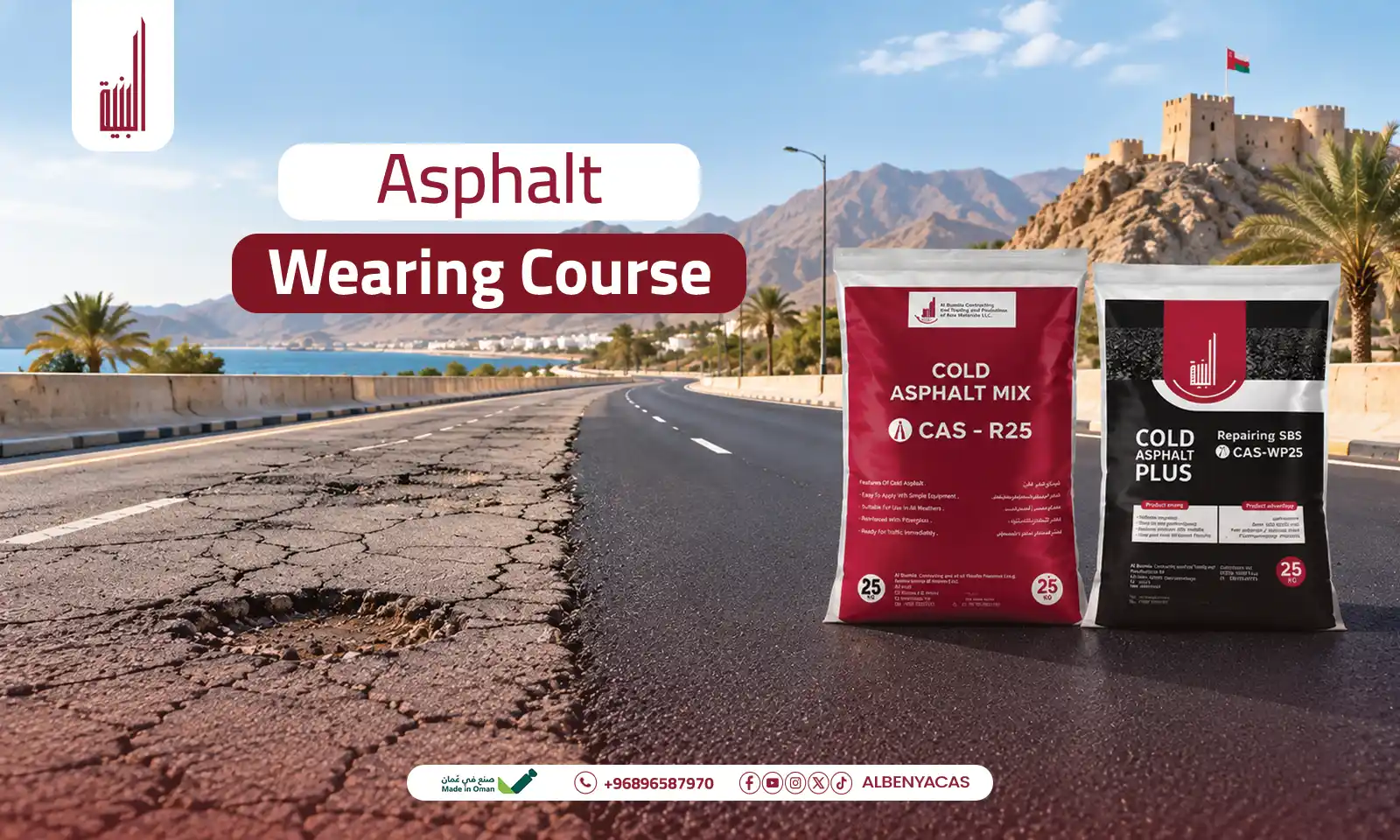
The asphalt pavement’s top layer is very significant in terms of roadway performance under traffic, weather conditions, and repeated loading. The asphalt wearing course is the topmost layer of asphalt that is intended to ensure a good riding surface and to help protect the underlying structure of the pavement. The material composition, thickness, compaction, and installation can all influence the performance of a pavement. Knowing the characteristics of this layer helps road contractors, project managers, and property owners decide on pavement construction and maintenance more wisely
What Is an Asphalt Wearing Course?
Asphalt wearing course is the most important asphalt that is installed on top of the pavement structure. It is the surface that comes in direct contact with your car tires, rain, temperature fluctuations, dust, and other environmental elements.
The wearing course serves both functional and protective purposes as compared to deeper pavement layers, which serve mainly structural purposes. It offers a fairly even driver surface, spreads traffic stresses, and decreases the seepage of water into the layers beneath.
It is usually manufactured from carefully selected aggregates, asphalt binder, and other approved materials based on the specifications of the project. The final product should offer adequate resistance to deformation during anticipated traffic, skid resistance, and adequate durability
How Does an Asphalt Wearing Course Protect the Pavement?
A properly designed asphalt wearing course creates a protective surface between traffic and the structural pavement layers underneath. This helps reduce direct exposure of the base and subbase to water, mechanical wear, and environmental conditions.
Its protective role can include:
- Providing resistance against repeated vehicle loading and surface abrasion.
- Helping reduce water infiltration through the pavement surface.
- Creating a smoother and more consistent riding surface.
- Improving traction when the mixture and texture are properly designed.
- Protecting lower pavement layers from direct weather exposure.
The effectiveness of this protection depends heavily on construction quality. Poor compaction, unsuitable materials, inadequate drainage, or improper surface preparation can reduce pavement performance even when the selected asphalt mixture is appropriate
Asphalt Wearing Course Thickness and Design Factors
It is not a universal rule that the same thickness of an asphalt wearing course is required in all roads. It is dependent on the engineering and site conditions such as traffic volume, vehicle type, climate, pavement structure, and condition of the layers beneath the pavement
| Design factor | Why it matters |
| Traffic loading | Heavy and frequent traffic can increase surface stresses. |
| Aggregate characteristics | Affect durability, texture, and resistance to deformation |
| Asphalt binder | Influences flexibility and resistance to temperature-related effects |
| Existing pavement | Determines whether resurfacing or deeper rehabilitation is required |
| Drainage | Helps control water exposure and pavement deterioration |
| Climate | Temperature and rainfall affect material performance. |
Therefore the thickness should be determined as a component of the pavement design and not be chosen on its own. The surface configuration for a road with heavy trucks might be different than that of a road with a residential access road or parking area.
How Is the Wearing Course Applied to Road Surfaces?
Existing pavement or prepared structural layer should be inspected and cleaned prior to installation of the surface layer. Prior to the paving operation, loose material, contamination, standing water and any major surface imperfections should be corrected.
The overall procedure is:
- Surface preparation: cleaning and defect checking of the underlying layer.
- Asphalt mix production: Asphalt mixture is made as per design.
- Placement: This is the amount of the mixture that is applied to the prepared surface at a desired thickness.
- Compaction: Compacted using rollers or other appropriate equipment to achieve the desired density.
- Inspection: Once the surface has been completed, the thickness, uniformity, levels and any imperfections are measured.
Temperature control and proper compaction are particularly important for hot-mix applications. Equipment, sequence and conditions of paving should be designed based on project requirements
Common Problems Affecting Asphalt Wearing Course Performance
A poorly designed, well-maintained asphalt wearing course can still become defective if pavement conditions, drainage, traffic or maintenance needs are not managed.
Common problems include:
- Rutting: Permanent depressions that occur on vehicle wheel paths.
- Aging, repeated loading, temperature changes or movement in lower layers may cause cracking.
- Raveling: Loss of aggregate particles from the surface.
- Potholes: Small areas of weakness that may occur if water gets in through cracks and accumulates in traffic-affected pavement.
- Surface deformation: Can happen if the mix or the structure below is unable to resist traffic forces.
- Water-related damage: Water infiltration can cause deterioration to occur and cause layers to weaken.
It is important to know the cause of a defect, as it is mere patching of the top of the surface may not solve the underlying structural or drainage problem.
When Should an Asphalt Wearing Course Be Repaired or Replaced?
The decision to repair or replace an asphalt wearing course depends on the severity, extent, and cause of the deterioration.
Minor surface defects may be addressed through localized maintenance, while widespread cracking, deformation, or loss of surface material may require resurfacing. If deterioration extends into the base or subbase, a deeper rehabilitation approach may be necessary.
Signs that professional assessment may be needed include:
- Extensive cracking across multiple areas.
- Repeated pothole formation after repairs.
- Significant rutting or uneven surfaces.
- Visible aggregate loss across large sections.
- Drainage problems contributing to pavement deterioration.
- Surface damage that continues despite routine maintenance.
Regular inspections can help identify deterioration before it becomes more extensive and costly to address.
Choose Albenya for Reliable Asphalt and Road Solutions
Albenya offers asphalt and road solutions that require practical materials and reliable applications. These products include cold asphalt solutions for maintenance/pavement repair, to meet various road and pavement needs.
When it comes to projects that involve surface maintenance, pothole repair or any kind of work that involves asphalt, finding the right material is just the first step. The site conditions, preparation, application requirements, and maintenance needs should also be taken into consideration.
Contact us
Looking for asphalt materials or road maintenance solutions in Saudi Arabia? Contact us to discuss your project, application requirements, and suitable asphalt solution.
FAQS
What is the purpose of an asphalt wearing course?
The main purpose is to provide the pavement with a durable, functional surface that withstands traffic and environmental exposure while helping protect the underlying pavement layers from water, abrasion, and repeated vehicle loading.
How thick should an asphalt wearing course be?
Thickness varies according to traffic loading, pavement structure, climate, material properties, and project specifications. The required thickness should be determined through pavement design rather than applying one standard thickness to every road.
Can a damaged wearing course be repaired?
Yes. Depending on the defect, repairs may involve patching, crack treatment, resurfacing, or other maintenance methods. The appropriate solution depends on whether the damage is limited to the surface or extends into deeper pavement layers.
Leave A Comment