
Mohammed Elshimey
Road Paving Companies
Road paving companies are crucial in constructing, repairing, and rehabilitating roads that can last for years and remain safe, durable, and cost-effective. From a new road construction project to fixing potholes or problems on the surface, the experience of the road-paving companies can make all the difference for higher-quality work and reduced maintenance expenses. The modern repair techniques such as ready-to-use cold asphalt can also provide a quicker repair with minimal disruption to traffic and still achieve a high-quality repair.
What Services Do Road Paving Companies Provide?
Professional road paving companies offer much more than laying asphalt. Their services cover the entire lifecycle of road infrastructure, from construction to preventive maintenance and emergency repairs.
Typical services include:
- New road construction
- Parking lot paving
- Highway paving
- Pothole repairs
- Crack sealing
- Surface patching
- Asphalt resurfacing
- Preventive maintenance
- Industrial yard paving
- Airport pavement repairs
Many road paving companies are also able to do technical inspections to spot the problems in the pavement before they turn into costly structural failures. Early intervention is frequently a way to prolong the service life of the pavement and to lower repair bills.
| Service | Purpose | Typical Application |
| New Asphalt Paving | Build new roads | Residential and commercial projects |
| Pothole Repair | Restore damaged pavement | Roads, parking lots |
| Crack Sealing | Prevent water penetration | Aging asphalt surfaces |
| Surface Patching | Repair localized damage | High-traffic areas |
| Cold Asphalt Repair | Fast emergency maintenance | Roads requiring immediate reopening |
When Do Roads Need Repair Instead of Full Resurfacing?
Not all damaged roads need to be resurfaced. When choosing a contractor, the experienced one is the one who will evaluate the condition of the pavement before making the most practical choice.
- If the road is in good condition and repair is adequate, then:
- Damage is confined to certain areas
- The road surface is still in good condition.
- There are no extensive surface cracks
- Potholes are isolated
There is still some minor localized water damage.
But if the cause of widespread cracking, extensive deformation or foundation damage, then resurfacing may be the most viable long term investment.
Professional inspections are used to help identify if localized repairs can restore pavement performance at a lower cost as compared to a full reconstruction.
Choosing the Right Solution for Potholes and Surface Damage
One of the most frequent road maintenance problems is potholes. Unless corrected, they persist in growing because of traffic loading, moisture intrusion, and fluctuating weather.
- The best method to repair will depend on the following:
- Hole size
- Traffic volume
- Weather conditions
- Repair urgency
- Available equipment
Cold Asphalt Solutions for Quick and Effective Repairs
Many modern road paving firms are turning to the cold asphalt option, as it’s easy to maintain and provides consistent performance.
There are a number of practical benefits to using cold asphalt:
- Immediately ready for use
- No need for any heating equipment.
- Good all year round
- Faster application
- Reduced traffic disruption
- Easy to transport and store.
- Lower labor requirements
What to Consider When Choosing a Road Repair Partner
There’s more to choosing among the various road paving firms than just comparing costs. The longevity of completed repairs depends on a variety of factors such as experience, material quality, and technical expertise.
Important factors include:
Experience with Road Maintenance
A contractor with expertise in pavement maintenance can identify any issues and provide the best solution for repairing the pavement without using an unnecessary process.
Quality of Repair Materials
High-performance repair materials play an important role in the durability of pavement and frequency of maintenance.
Fast Product Availability
Repairs are usually needed on the projects. In case of an emergency, contractors with ready-to-use repair materials can act much quicker.
Technical Support
The right products are selected by a professional guide to ensure they are appropriate for the traffic, climate, and pavement type.
Proven Performance
Suppliers who provide reliable supply also have a consistent product quality throughout the municipal, commercial, and industrial applications.
Collaborating with reputable road paving companies can lower the maintenance expenses throughout the life of the pavement, and enhance road safety and traffic efficiency.
The Role of Ready-to-Use Cold Asphalt in Everyday Road Repairs
Cold asphalt is a convenient maintenance material available now. Unlike hot-mix, maintenance crews can repair damaged areas as needed without waiting for the asphalt plant to be able to produce hot mix.
It is versatile and can be used for:
- Municipal roads
- Highways
- Parking areas
- Industrial facilities
- Residential streets
- Utility trench reinstatement
- Emergency maintenance work
Reliable Road Repair Solutions from Albenya
Although road paving is one of the major aspects of the business, it takes the dependable supply of road maintenance materials that can withstand challenging conditions to make a successful road maintenance company.
Albenya produces high-quality, ready-to-use cold asphalt for effective road maintenance in municipal, commercial, and industrial applications. The product is designed to ease the process of pothole repair, to decrease the need for equipment, and to minimize the traffic disruption.
Key benefits include:
- Ready-to-use packaging
- No heating required
- Appropriate for year round use
- Strong adhesion
- Easy storage
- Fast installation
Reliable Road Maintenance Starts with the Right Materials
Successful road repairs depend not only on experienced road paving companies but also on high-quality repair materials. With Albenya’s ready-to-use cold asphalt, contractors and maintenance teams can complete fast, reliable, and durable repairs that help extend pavement life, reduce maintenance costs, and keep roads safe for everyday use.
FAQ
What do road paving companies typically specialize in?
Most road paving companies handle asphalt paving, pavement maintenance, pothole repairs, resurfacing, crack sealing, parking lot construction, and preventive maintenance. Some also provide pavement inspections, material recommendations, and specialized repair solutions using ready-to-use cold asphalt for faster maintenance.
Is cold asphalt suitable for permanent pothole repairs?
Yes. High-quality ready-to-use cold asphalt can provide durable repairs when applied correctly and under suitable pavement conditions. It is widely used for municipal maintenance, industrial facilities, parking lots, and emergency road repairs where immediate traffic reopening is required.
How can I tell whether my road needs resurfacing or localized repairs?
A professional pavement inspection evaluates the extent of cracking, structural integrity, drainage issues, and surface deterioration. If damage remains localized and the pavement foundation is sound, targeted repairs are often more economical than complete resurfacing.
Why is ready-to-use cold asphalt becoming more popular?
Ready-to-use cold asphalt eliminates heating requirements, speeds up repairs, reduces equipment needs, and allows maintenance crews to work throughout the year. These advantages make it an efficient solution for routine maintenance and emergency pavement repairs.
Difference Between Bitumen and Asphalt
It’s a question that often comes up when contractors, engineers, and property owners are working on a road construction or maintenance project: What is the difference between bitumen and asphalt? Both are used interchangeably, but they are two different materials used for different functions in pavement systems. By understanding the difference between bitumen and asphalt, professionals can make informed decisions on road repairs, pothole maintenance, and the performance of long-term roads
What Is the Difference Between Bitumen and Asphalt?
The first difference between bitumen and asphalt is that they are composed of different materials. Bitumen is a black, highly viscous petroleum-based material used as the glue in asphalt mixtures. Has the purpose of binding aggregates together and adds flexibility and water resistance.
Asphalt is the final product that is made up of bitumen and aggregates like crushed stone, sand, and mineral fillers. This combination creates the long-lasting surface that is utilized for roads, highways, parking lots, airports, and other paved surfaces.
| Feature | Bitumen | Asphalt |
| Material Type | Binder | Finished paving mixture |
| Main Components | Petroleum-based binder | Bitumen, aggregates, and fillers |
| Used Alone | Rarely | Yes |
| Primary Function | Binds aggregates | Forms the pavement surface |
| Common Applications | Asphalt production | Road construction and repairs |
Why Are Bitumen and Asphalt Often Confused?
The difference between bitumen and asphalt is often confused, since they are closely related, in particular during the construction of roads.
In many parts of the world, the term “asphalt” is used to describe the asphalt binder and the resulting asphalt pavement, and some people use the word “asphalt” for the asphalt binder. Confusion is caused by these regional naming differences.
Since bitumen is the ingredient that holds the pavement together, many assume it represents the entire paving material. But bitumen is not capable of providing a durable road surface without aggregates and fillers.
This distinction is important for engineers, contractors, and maintenance personnel to understand so they can make more accurate repair material specifications.
Difference Between Bitumen and Asphalt in Road Repair Applications
This difference between bitumen and asphalt is crucial in road maintenance projects.
The reason why bitumen alone cannot be used to fill potholes or repair damaged pavement is that it is not structurally strong enough to resist traffic loads. Rather, it is used as the binder in asphalt mixes.
Cold asphalt products consist of the carefully graded aggregates combined with bitumen to form an asphalt material that can be used straight from the drum to repair damaged roads in a quick and efficient manner.
Complete asphalt mixtures offer much greater performance than just bitumen when used for pothole repairs, parking lot maintenance, utility trench reinstatements, and surface patching.
How Bitumen Becomes Part of Asphalt Mixtures
It is essential to know the difference between bitumen and asphalt and the process used to make asphalt.
In the factory, the heated bitumen or specially formulated bitumen is mixed with aggregates in specific proportions and mixed thoroughly. This bitumen envelops each aggregate particle, creating a cohesive mixture that resists environmental stresses, moisture penetration, and traffic loads.
Advanced formulations enable cold asphalt products to be workable without heating and to retain shear strength and durability after compaction.
In this manufacturing process, bitumen can be used as a binding material and form a part of a complete solution for pavement repair.
Which Material Is Better for Pothole Repairs?
Asphalt is the obvious choice when it comes to pothole repairs, when compared to bitumen.
Bitumen is not sufficient to ensure the structural integrity of the pavement after damage. The strength of the mineral aggregates, however, is combined with the adhesive property of bitumen, which makes cold asphalt mixtures ideal for the repair of roads, highways, industrial facilities, parking lots, and commercial properties.
Premium cold asphalt products ease the transport process, do not need heating, and enable maintenance teams to finish repairs with less impact of traffic.
The benefits of the products make asphalt the most popular choice for most localized pavement repairs.
Choosing the Right Material for Long-Lasting Repairs
The type of repair material will vary according to project needs, traffic usage, and long-term maintenance objectives.
Knowing the difference between bitumen and asphalt allows the decision-maker to select a range of products that would be durable and cost-efficient.
High-quality cold asphalt may have several advantages for most repair applications:
- Quick installation no heating required.
- Good bond to existing pavement.
- Very resistant to water.
- Reduced traffic disruption.
- Lower equipment requirements.
- Reliable long-term performance.
Quality asphalt products increase pavement life, decrease maintenance frequency and reduce maintenance costs.
Discover Albenya’s Cold Asphalt Solutions
Albenya manufactures high-quality cold asphalt products designed for dependable, effective pavement maintenance on municipal streets, highways, industrial facilities, airports, commercial developments, and residential communities.
Albenya’s cold asphalt products are designed to be applied easily, bond effectively, and stay in place for a long time, allowing contractors and infrastructure maintenance workers to repair roadways quickly and efficiently without the hassle of hot asphalt.
From emergency pothole repair to routine maintenance, Albenya provides reliable products that ensure optimal pavement performance and minimize downtime.
Contact Albenya
Looking for a professional cold asphalt company for your next road maintenance job? Contact us today and learn about our high-performance products for rapid, long-lasting, and cost-effective pavement repair.
FAQS
What is the main difference between bitumen and asphalt?
Bitumen is the petroleum-based binder, and asphalt is the complete paving mixture of bitumen, aggregates, and mineral fillers.
Can bitumen be used alone for pothole repairs?
No. Bitumen is not strong enough for use in pavement repairs and is mainly used as a binder in asphalt mixtures.
Why are bitumen and asphalt often confused?
The different terms are sometimes used synonymously in different areas, although they are based on different materials.
Is cold asphalt suitable for permanent road repairs?
Yes. Properly installed and compacted, high-quality cold asphalt products offer long-lasting repairs.
Best Cold Patch Asphalt Repair Solutions
The best cold patch asphalt repair solutions are key to safe roads, parking lots, and commercial pavements without the delays of traditional hot asphalt. If they are not repaired, potholes and other surface damage can escalate rapidly and result in increased repair expenses and safety risks. The modern ready-to-use cold asphalt presents an alternative that makes maintenance quicker and easier for crews and requires less equipment and disruption of traffic. This guide outlines the selection of the optimal cold patch asphalt repair material, its notable benefits, and why Albenya offers dependable cold asphalt solutions for road maintenance professionals.
What Is the Best Cold Patch Asphalt Repair Solution?
The ideal cold patch asphalt repair solution is durable, easy to apply, and long-lasting. Cold patch asphalt is made to be workable at ambient temperatures, while hot mix asphalt is not and cannot be used to repair pavement in any weather conditions.
Good quality cold patch asphalt, when properly compacted, bonds well with existing pavement, is moisture-proof, and is capable of absorbing repeated traffic without failure. It can be used for both maintenance and repair in a wide range of road conditions.
When municipalities, contractors, and facility managers choose the right product, they also mean fewer repeat repairs and reduced long-term maintenance costs.
| Feature | Premium Cold Patch Asphalt | Traditional Hot Asphalt |
| Heating Required | No | Yes |
| Ready for Immediate Use | Yes | No |
| Equipment Needed | Basic Tools | Heavy Equipment |
| Traffic Disruption | Minimal | Higher |
| Emergency Repairs | Excellent | Limited |
Why Cold Patch Asphalt Is Ideal for Pothole Repairs
The high popularity of the best cold patch asphalt repair products is due to their speed of repair of potholes without stopping traffic for lengthy periods.
Potholes are caused by water entering the pavement, undermining the structure, and numerous vehicles repeatedly driving over leading to the breakdown of the pavement surface. These damaged surfaces are filled with cold patch asphalt to restore a smooth driving surface and are efficient in doing so.
No heating is necessary, allowing maintenance crews to easily bring the material to the site of the repair, pour it in the pothole, compact it, and then close the road in a timely fashion. This is particularly beneficial for emergency maintenance, municipal roads, industrial facilities, airports, parking lot applications, and commercial properties.
How to Choose the Best Cold Patch Asphalt Repair Material
There are many things to consider when selecting the right cold patch asphalt repair material for a job.
Avoid products that contain:
- Good bonding with the existing asphalt.
- Moisture resistance.
- Good installation properties.
- Resistance to traffic.
- Simple to store for future repairs.
- Compaction without the use of special equipment.
Premium cold asphalt products should also retain the same quality over a long period of storage so that contractors can react rapidly to any pavement damage.
This is made even more reliable by the use of a trusted manufacturer.
Repairing Potholes Quickly with Ready-to-Use Cold Asphalt
Best cold patch asphalt repair projects are quicker and more efficient with ready-to-use cold asphalt.
The first step in the repair process is to clear away any loose debris, broken asphalt, and standing water from the damaged area. Clean the surface and cold asphalt (slight overfill), then level and compact the surface with a hand tamper, plate compactor, or roller.
It is important that the compaction is done properly, as it helps to increase the density, promote bonding, and prevent future settlement. and pour
Most of the repairs can be done with a small crew with simple tools and with a significant reduction in the amount of labor and project cost.
Benefits of Using Cold Patch Asphalt Instead of Traditional Repairs
The advantages of using the best cold patch asphalt repair solution over traditional hot asphalt maintenance
Cold asphalt eliminates the need for heating equipment, reducing fuel consumption and simplifying logistics. Repairing can start at this time, without waiting for the asphalt plants or other paving equipment.
Additional benefits include the following:
- Faster project completion.
- Lower operating costs.
- Reduced traffic disruption.
- Improved worker safety.
- Can be applied all year round.
- Long-term reliable pavement performance.
The benefits have led organizations that have to maintain roads around the clock to use cold patch asphalt.
Buy Cold Patch Asphalt and Road Repair Solutions from Albenya
Albenya provides high-quality products to assist contractors and infrastructure professionals in achieving efficient, effective, and reliable cold patch repairs on asphalt pavement.
Cold asphalt products manufactured by Albenya are suitable for use in highways, municipal roads, industrial buildings, airports, logistics centers, commercial buildings, parking areas, and, most importantly, for long service life, excellent workability, and durability.
Albenya’s high-quality materials and proven performance allow for cost-effective road maintenance while minimizing repair time and operations disruption.
Contact Albenya
Looking for the ideal cold patch asphalt repair material for your road maintenance job? Contact us today and talk with our pros about the quality cold asphalt products we have available that can provide you with quick, long-lasting, and professional-looking pavement repairs.
How Cold Asphalt Helps Reduce Repair Time and Traffic Disruptions
Cold asphalt drastically decreases maintenance time, as it is available for use as soon as delivered. No heating is required, no special paving equipment is needed, and no long preparation time.
When roads are repaired more quickly, fewer vehicles are on the road, public safety is enhanced, and maintenance personnel can conduct more projects during the same time period.
Cold asphalt is particularly suitable for urban environments, commercial properties, and industrial facilities where downtime is critical, such as busy roads.
Why Contractors and Municipalities Trust Cold Asphalt Solutions
Cold asphalt is the preferred choice of contractors and municipalities due to its convenience and guaranteed performance. A quality best cold patch asphalt repair product enables crews to repair the pavement quickly without compromising the quality of the repair.
Cold asphalt is one of the most convenient and sustainable options for maintaining the long-term health of asphalt infrastructure due to its simplicity of application, durability, minimal equipment needs, and low maintenance costs.
FAQS
What is the best cold patch asphalt repair solution?
A high-quality, ready-to-use cold asphalt product that provides excellent bonding, convenient application, resistance to moisture, and durability of pavement.
Can cold patch asphalt be used year-round?
Yes. Cold patch asphalt can be used in most conditions; thus, it is well suited for emergency and routine repairs.
Does cold patch asphalt require heavy equipment?
No. Simple hand tools and standard compaction equipment are used to make most repairs.
Environmentally Friendly Asphalt Repair
In the quest for sustainable road preservation practices, environmentally friendly asphalt repair has emerged as a critical component, driven by the need to balance infrastructure maintenance with environmental concerns. As governments, contractors, and private entities strive to find ways to preserve the roads while minimizing environmental impact, environmentally friendly asphalt repair has become an integral part of modern road maintenance practices. In the past, the process of pavement repair has been time-consuming and energy-intensive, producing high CO₂ emissions from heating and the use of large equipment
What Is Environmentally Friendly Asphalt Repair?
Environmentally friendly asphalt repair is repairing methods and materials that minimize the environmental impact of repairing asphalt pavements while maintaining the same performance and durability. Sustainable repair solutions are not only energy-intensive but also require a reduction in emissions, natural resources, and a long life of the existing road.
One of the best materials for environmentally friendly road maintenance is cold asphalt, as it does not need to be heated for application. This substantially decreases fuel use and transportation and installation GHGs.
Sustainable asphalt repair also benefits the environment by reducing the impact on the environment, and it makes the job more efficient by enabling maintenance crews to complete repairs faster with less equipment and resources.
| Sustainability Factor | Cold Asphalt | Traditional Hot Asphalt |
| Heating Required | No | Yes |
| Energy Consumption | Low | High |
| Carbon Emissions | Reduced | Higher |
| Equipment Requirements | Basic | Heavy Machinery |
| Road Closure Time | Short | Longer |
How Sustainable Materials Protect the Environment
Cold asphalt helps reduce material waste by only using as much as is required for a repair. Some materials may not be used in the workday but can be stored for later use in the maintenance process.
Less waste also means fewer replacement materials will be needed over time, which will help preserve those vital raw materials that are used in the construction of pavements, such as aggregates, bitumen, etc.
Repair materials that are sustainable also help to reduce the need for major reconstruction jobs, which use high amounts of energy and resources.
Reducing Carbon Emissions in Road Maintenance
With traditional hot asphalt, materials need to be heated to a high temperature in order to be transported and installed. The fuel used in these heating processes is high, and there are high greenhouse gas emissions.
Cold asphalt eliminates the need to heat the asphalt, and maintenance crews can move and lay the material at the repair site. This can help to decrease fuel consumption and equipment emissions and promote environmentally friendly construction activities.
Shorter repair times also help to mitigate traffic delays around maintenance areas, which can help to minimize vehicle idling and associated emissions during road closures.
The use of cool roofing in green infrastructure applications. Cool roofing’s contribution to green infrastructure.
The Role of Cold Asphalt in Green Infrastructure
Cold asphalt can be used for immediate repairs to extend pavement lifespan before significant structural damage has occurred. Proactive maintenance of roads decreases the need for full pavement replacement, generally a more resource-intensive process.
This ease of application also makes cold asphalt an excellent answer for municipalities, industrial facilities, airports, parking areas, logistics centers, and commercial developments that focus on sustainability and operational efficiency.
With cities around the world investing in environmentally friendly infrastructure, cold asphalt is likely to feature in a growing part of their future maintenance plans.
Asphalt Repair Through the Albenya Company
Albenya is a supplier of high-quality cold asphalt solutions to achieve dependable pavement performance and to support environmentally friendly asphalt repair.
Albenya’s cold asphalt products are designed to be durable, easily applied, and easily maintained, enabling contractors and infrastructure professionals to complete repairs with less energy consumption and minimal traffic disruptions.
From municipal roads and highways to industrial plants, airports, and commercial properties, Albenya provides quality products that make road maintenance easier as well as promote sustainability in construction.
Albenya’s product quality and performance combine to help customers maximize pavement life and minimize the long-term maintenance costs.
Contact Albenya
Looking for reliable environmentally friendly asphalt repair solutions? Contact Albenya today and talk to our experts about the best in cold asphalt products and their ability to provide long-lasting roads and keep your sustainability targets on track.
Sustainable Practices for Long-Term Road Maintenance
Maintaining pavement long-term requires a proactive approach that prioritizes durability while also being environmentally considerate.
Best practices include:
- Performing regular pavement inspections.
- Closing and filling cracks and potholes before they grow.
- Utilizing cold asphalt as much as possible.
- Reducing the number of non-essential road closures.
- Minimizing material loss due to proper material storage.
- Using quality repair materials for extended service life.
These practices not only increase infrastructure reliability but also decrease the frequency of maintenance and the environmental impacts.
Environmental Benefits of Preventive Repairs
One of the most effective ways to maintain a more environmentally friendly pavement is through preventive maintenance, which helps to prevent small areas of pavement from becoming large problems that often require major reconstruction.
Early repairs minimize material use and equipment application and eliminate water intrusion, which contributes to pavement degradation. They also reduce construction waste and enhance road safety and driving comfort.
By investing in preventive maintenance, organizations can ensure that their pavements last as long as they can, operate at peak efficiency, and uphold their sustainability goals.
FAQS
What is environmentally friendly asphalt repair?
The use of sustainable materials and repair techniques to create pavements that will perform for a long time with minimal adverse environmental effects.
Why is cold asphalt considered environmentally friendly?
Helping to conserve fuel, carbon emissions, and energy usage during asphalt road maintenance, cold asphalt does not need to be heated during the process.
Can environmentally friendly asphalt repair provide durable results?
Yes. When installed and compacted properly, high-quality cold asphalt products provide durable repairs.
How does preventive maintenance benefit the environment?
Preventive repairs avoid material waste and decrease energy use, prolong pavement life, and avoid large-scale reconstruction.
Best Road Repair Material
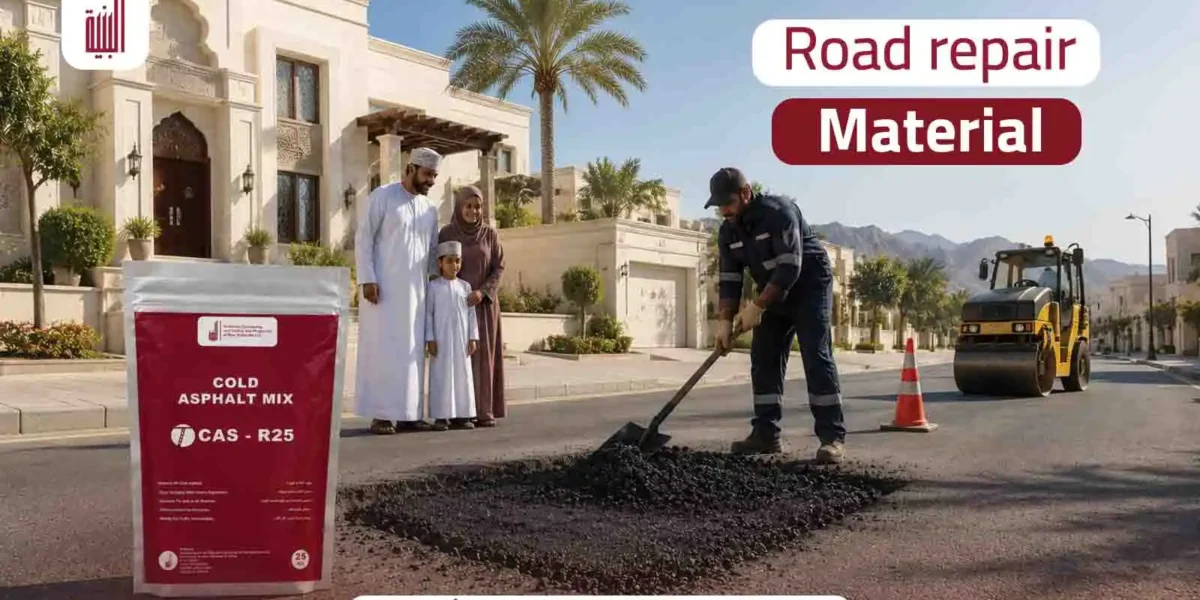
Road Repair Material (RRM) plays a vital role in ensuring the safety, durability, and efficiency of roads. Traffic use, weather conditions, and water infiltration are constant stresses on roads, causing potholes, cracks, and deterioration of road surfaces. Opting for the proper repair material can not only prolong the life of a pavement but also save money in maintenance and minimize road downtime. These choices, among others, have made ready-to-use cold asphalt one of the most effective solutions for fast and reliable road maintenance. This guide provides an overview of why cold asphalt is a popular material for road repair, its benefits, and typical uses, and how Albenya’s CAS-R25 produces reliable results when it comes to professional pavement repair.
What Is the Best Road Repair Material for Potholes and Surface Damage?
The best road repair materials to use vary based on the type of pavement damage, traffic intensity, environmental conditions, and timeframe for the repair. Cold asphalt is one of the most popular options for emergency maintenance and routine road repairs.
Cold asphalt doesn’t need to be heated prior to application like hot asphalt does. It could be easily dropped into an existing hole in the pavement, compacted with simple equipment, and reopened to traffic in a few hours. This is a great combination of convenience and durability for municipalities, contractors, and facility managers alike.
| Repair Requirement | Cold Asphalt CAS-R25 | Traditional Hot Asphalt |
| Heating Required | No | Yes |
| Emergency Repairs | Excellent | Limited |
| Installation Speed | Fast | Moderate |
| Equipment Needed | Basic | Specialized |
| Traffic Disruption | Minimal | Higher |
Additionally, using high-quality road repair materials can lower maintenance expenses in the long run, as minor pavement defects can become major structural problems.
How Cold Asphalt Helps Reduce Road Closures
One of the top benefits of using cold asphalt for road rehabilitation is that it requires minimal road closures.
The conventional method for repairing asphalt involves the movement of hot materials as well as complex paving equipment and longer curing times. All this can lead to traffic jams and affect the normal functioning of the town.
Cold asphalt makes it easy to repair the entire process. Maintenance personnel can take material that is ready to be used at the repair site and finish the job in a timely manner, and then reopen the road shortly after compaction is done correctly.
The efficiency is particularly useful in roadways, urban streets, industrial sites, airports, parking areas, and commercial buildings, where downtime is a critical issue.
Minimizing road closures is also beneficial to traffic flow, decreases labor expenses, and enhances total road maintenance productivity.
Road Repair Material for Potholes, Cracks, and Surface Wear
The high-quality road repair material should be effective in various kinds of pavement damage.
In most cases, cold asphalt is used for repairs to:
- Potholes
- Surface cracks
- Edge deterioration
- Utility trench reinstatements
- Parking lot damage
- Industrial yard pavements
- Loading areas
- Access roads
- Residential streets
It adheres well to existing asphalt surfaces and is flexible to withstand traffic loads and moisture while providing good adhesion to the existing surface.
Repairing in a timely manner also helps to avoid water infiltration, one of the biggest sources of pavement deterioration.
Advantages of Using Ready-to-Use Cold Asphalt
There are numerous operational and economic benefits to using ready-to-use cold asphalt for road repair.
It is easily transportable, doesn’t need a heating apparatus, and can be used in a wide range of weather conditions. Preparations of equipment take less time for maintenance personnel, and more time is spent on repairs.
Cold asphalt also saves fuel since high production temperatures are not required. This helps to reduce operating expenses and promotes sustainable maintenance practices.
Other advantages include increased worker safety, simplified logistics, reduced delays due to projects, and long-term pavement performance when compaction is proper.
This has led to the use of cold asphalt as a preferred choice for organizations that are required to maintain roads on a continuous basis.
Fast Repairs Without Heavy Equipment
The best road repair material should be able to expedite repairs without compromising quality.
Cold asphalt enables maintenance workers to make repairs with simple tools like shovels, asphalt rakes, hand tampers and plate compactors. Repairing pavement in a specific area does not always require the use of large paving equipment.
This flexibility allows contractors to quickly address unexpected pavement failures, weather damage, potholes, and other issues that arise.
Repairs can be made by small crews, thereby reducing labor expenses and maintaining high standards of repair.
Efficient repairs also benefit road safety by minimizing the amount of time that the pavement is left in a hazardous condition.
How Albenya Uses Cold Asphalt CAS-R25 in Road Repairs
Albenya CAS-R25 is designed to be a reliable road repair material for various repair tasks.
The product is designed to be easily applied, workable, durable, and adhesive. It comes in a ready-to-use formulation, enabling maintenance staff to make repairs rapidly without heating or special production equipment.
CAS-R25 can be used on highways, municipal roads, industrial facilities, airports, logistics centers, commercial premises, and residential developments.
It is a long-lasting repair solution that is resistant to traffic when done correctly and can help to prolong the life of existing asphalt pavement.
Albenya remains committed to contractors and infrastructure practitioners by providing them with innovative cold asphalt solutions that ease maintenance and will ensure performance and reliability.
Get Reliable Pothole Repair Solutions from Albenya
From a single pothole to a large road maintenance program, Albenya offers top-quality cold asphalt solutions engineered for efficiency and durability.
CAS-R25 provides maintenance crews a reliable, professional-grade road repair solution that helps them save time repairing roads, limit traffic disruptions, and enhance pavement performance.
By selecting Albenya, you are investing in products that will ensure long-lasting benefits for infrastructure but also streamline operations costs.
Contact Albenya
Need a trustworthy road repair product for the next road repair job? Contact us today and speak to our experts and learn how CAS-R25 can provide you with solutions for fast, robust, and cost-effective road repair.
FAQS
What is the best road repair material for potholes?
Cold asphalt is widely regarded as one of the superior choices, as it is easy to use, does not need to be heated, and ensures long-lasting repairs with minimal disruption to traffic.
Can cold asphalt be used for permanent repairs?
Yes. CAS-R25 is a high-quality cold asphalt product that makes long-lasting repairs when installed and compacted properly.
Does cold asphalt require heavy equipment?
No. Most localized repairs can be completed using basic hand tools and standard compaction equipment.
Where can cold asphalt be used?
It is suitable for roads, highways, parking lots, industrial facilities, airports, residential streets, utility trenches, and commercial pavements.
Why choose Albenya CAS-R25?
CAS-R25 combines easy application, excellent workability, strong adhesion, and dependable durability, making it an effective solution for professional road maintenance projects.
Asphalt Repair Product
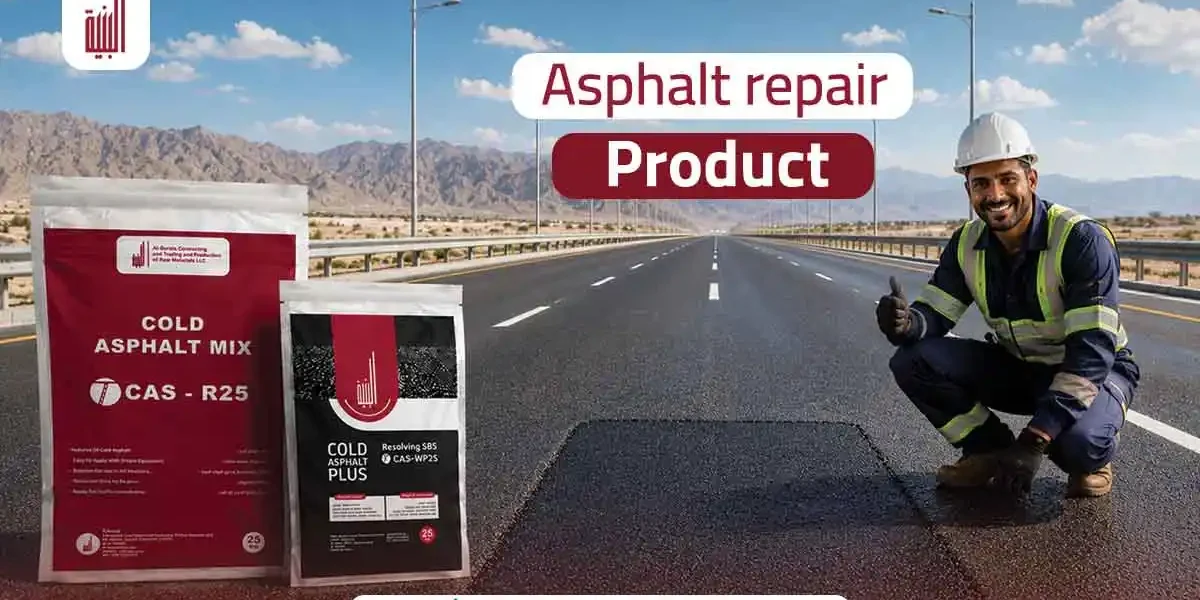
The role of asphalt repair product solutions in a safe, durable, and cost-effective roadway is crucial. From repairing potholes, utility cuts, and parking lots to industrial pavements, using a suitable material can help to prolong the pavement’s life and save on maintenance expenses. Today, cold asphalt technology is possible, which eliminates the need for special heating equipment and can be done in a short time, which reduces traffic restrictions and manpower needs. This guide explains what an asphalt repair product is, why cold asphalt is the preferred product for professionals, how to apply it properly and how to store it, and why Albenya offers reliable solutions for contractors and infrastructure projects.
What Is an Asphalt Repair Product?
An asphalt repair product is a specially formulated product used to repair damaged surfaces of the asphalt without replacing the entire pavement structure. Typically used to repair potholes, surface cracks, edge deterioration, utility trenches, and localized pavement failures.
Cold repair products are made to be workable without heat so that maintenance crews can make repairs quickly in all weather. They do not need as much equipment as conventional hot mix asphalt and can sometimes be installed as soon as they are delivered.
Selecting a high-quality asphalt repair product not only enhances the safety of the roadway but also helps to avoid further deterioration and the expense of reconstruction.
| Feature | Cold Asphalt Repair Product | Traditional Hot Mix Asphalt |
| Heating Required | No | Yes |
| Installation Speed | Fast | Moderate |
| Equipment Needed | Basic tools | Specialized equipment |
| Emergency Repairs | Excellent | Limited |
| Weather Flexibility | High | Lower |
Why Choose a Cold Asphalt Repair Product?
There are a number of benefits that municipalities, contractors, commercial property owners, and maintenance teams can enjoy with a cold repair product.
The most important thing about it is its convenience. No heating is needed, so clean-up and repairs can start right away. This saves labor expenses and cuts down on project schedules.
Cold asphalt can also reduce disruption to traffic because reopenings can occur shortly after compaction. The material is well suited to existing road surfaces, is resistant to moisture, and will function under a variety of environmental conditions.
For companies that are tasked with maintaining roads long after construction, a high-quality asphalt repair material can help to optimize operations and prolong pavement service life.
Where Can Asphalt Repair Products Be Used?
An asphalt repair product is one of the most versatile road repair products available, as it can be used in many types of pavement maintenance projects.
Common applications include:
- Public roads
- Highways
- Parking lots
- Residential streets
- Industrial facilities
- Warehouses
- Airport service roads
- Commercial loading zones
- School campuses
- Utility trench repairs
When used properly, cold asphalt offers a viable solution for temporary and permanent repair, whether for a small pothole or damaged pavement following infrastructure work.
It is versatile and the perfect material for maintenance crews who require dependable repair materials all year round.
How to Apply Cold Asphalt for Fast Road Repairs
When applied properly, an asphalt repair product will provide long-lasting durability and performance.
The first step is to clear loose asphalt, dirt, standing water and debris from the damaged area. A clean surface is better for bonding and a better repair.
Then, fill the hole with the cold asphalt, leaving a little over the hole to compensate for compaction. When spreading the material with a shovel or asphalt rake, do so evenly and then compact it thoroughly with a hand tamper, plate compactor or roller.
One of the most critical factors is proper compaction, which is important for increasing the density of the material and for reducing future settlement.
How to Store Asphalt Repair Products Properly
The quality and workability of all repair products can be maintained through proper storage.
Keep unopened bags or containers in a dry, covered area, out of excess moisture and direct sunlight. Sealing products will help to prevent contamination and maintain the performance properties.
Do not exceed the manufacturer’s specifications for stacking materials and rotate stock so that the oldest items are used first.
Proper storage helps contractors and maintenance crews have repair materials on hand for emergency pavement repairs when necessary.
By following these simple storage procedures, waste is reduced and the quality of repairs is assured.
Why Contractors Prefer Cold Asphalt Repair Products
The best asphalt repair product is the one that professional contractors prefer to use, as it provides them with high speed, reliability, and reduced operating expenses.
No heating equipment is required, and materials can be moved to the repair site and work started right away. This is particularly useful in emergency maintenance and remote infrastructure projects.
Cold asphalt also helps to lower fuel consumption, makes logistics easier and enables repairs to be conducted during cooler weather when hot mix asphalt might not be as viable.
These operational benefits carry over to higher productivity and reduced total maintenance costs for organizations that have multiple maintenance sites.
Buy Premium Asphalt Repair Products from Albenya
Albenya produces high-performance repair product solutions that meet the needs of today’s road maintenance. Albenya’s cold asphalt products are designed to be durable, workable, and long-lasting, with guaranteed performance for highways, municipal roads, industrial facilities, airports, and commercial properties.
All products are designed to make installation easier and provide high adhesion, good compaction, and resistance to traffic and varying climatic conditions.
Albenya’s cold asphalt products provide trusted solutions when addressing emergency pothole repair or scheduled pavement maintenance to help extend pavement life, while minimizing repair time and operational costs.
Contact Albenya
Looking for a dependable asphalt repair solution for the next maintenance job? Contact Albenya today to discuss with one of our experts the best solution for your cold asphalt needs to provide fast, durable, cost-effective road repair.
FAQs
What is an asphalt repair product used for?
It is used to repair potholes, cracks, utility cuts, edge damage, and other localized pavement defects, and to extend the life of asphalt surfaces.
Can cold asphalt be applied without heating?
Yes. Repair products are used without any heating and are used for repair work more quickly and conveniently.
Is cold asphalt suitable for heavy traffic areas?
Yes. When installed and compacted properly, high-quality cold asphalt products will offer long-lasting performance.
Why opt for Albenya asphalt repair products?
Albenya provides premium cold asphalt solutions that combine easy application, dependable performance, and long-lasting durability for a wide range of road maintenance projects
How to Use Cold Mix Asphalt
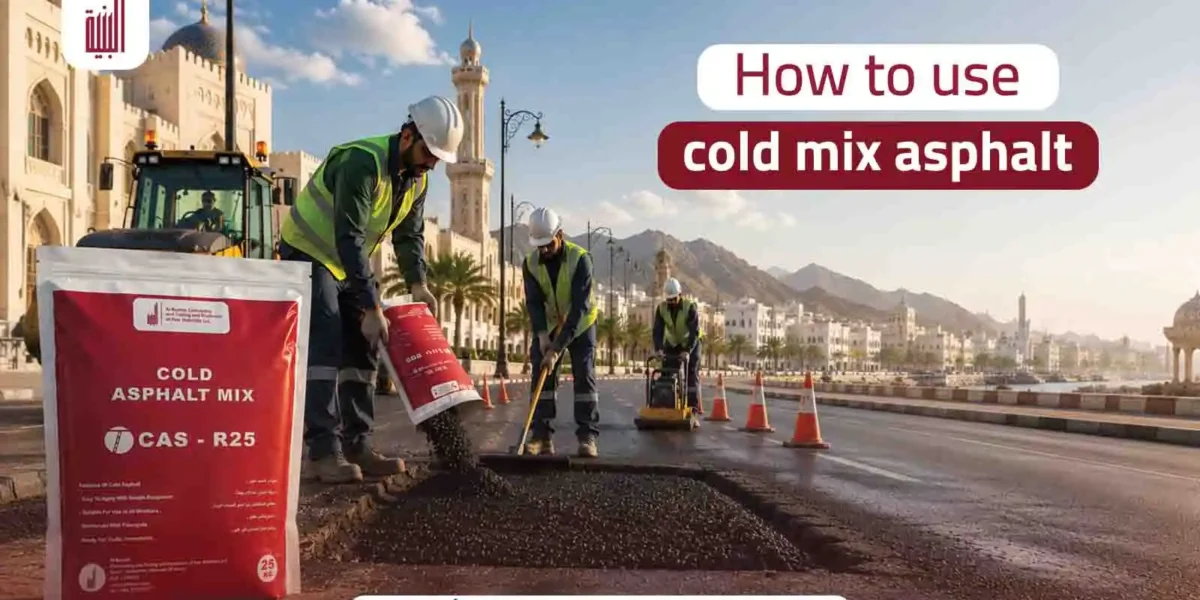
One of the most frequently asked questions by contractors, municipalities, facility managers, and property owners in search of a quick and effective solution to repair damaged pavement is “how to use cold mix asphalt?”. Cold mix asphalt is non-heated, unlike hot mix asphalt, and can be used in nearly any weather condition to repair potholes, cracks, and surface deterioration. It is a great solution for restoring road safety, extending pavement life, and reducing traffic disruption when used properly. This step-by-step guide will explain how to use cold mix asphalt, detail the required tools for cold mix, and explain best practices, as well as why Albenya’s cold asphalt products are the trusted choice for professional road maintenance projects.
How to Use Cold Mix Asphalt: A Complete Step-by-Step Guide
How to use cold mix asphalt properly will result in better repairs and a longer service life. It is simple to do but needs to be prepared and compacted properly.
Take these key actions:
- Examine the damaged area and calculate the size of the repair.
- Clear away loose asphalt, dirt, standing water, and debris.
- Spread the cold-mix asphalt into the damaged area.
- Spread the material evenly using a rake or shovel.
- Just overfill the repair area to allow compaction.
- Compact material with a hand tamper, plate compactor, or vehicle tires.
- Open surface to traffic once adequate compaction is reached.
One thing that is always mentioned when people ask “how to use cold mix asphalt” is that the top-quality product is best used when the surface is prepared.
| Repair Step | Purpose | Recommended Practice |
| Clean the area | Improve adhesion | Remove dust, loose asphalt, and debris |
| Fill the damaged section | Restore pavement | Slightly overfill before compaction |
| Level the material | Create an even surface | Use a rake or shovel |
| Compact thoroughly | Increase durability | Use a tamper, roller, or vehicle tires |
| Inspect the repair | Ensure long-term performance | Add more material if settlement occurs |
When Should You Use Cold Mix Asphalt for Road Repairs?
Knowing how to use cold mix asphalt is the correct repair solution and is also a part of understanding how to use it. Cold mix asphalt is suitable for emergency maintenance and planned repair projects where equipment to heat the asphalt is not available or practical.
Suitable for filling potholes in roads, parking lots, residential streets, industrial facilities, sidewalks, and access roads. It can also be used for temporary repairs prior to large resurfacing projects as well as permanent repairs when high-quality materials are used under normal traffic conditions.
Cold asphalt mix is particularly useful during the winter months when hot mix plants are not available. The material can be transported by maintenance teams to various job sites, and maintenance can be done on the spot without the need for specialized equipment.
Preparing the Surface Before Application
The key to a successful repair is proper preparation. Anyone looking into the use of cold mix asphalt should be aware that the absence of preparation greatly shortens the life of the repair.
First, remove broken pavement, vegetation, mud, and loose particles from the damaged area. Eliminate standing water wherever possible, but many high-quality cold asphalt products can handle some moisture.
If the edges of the pothole are weak, cut them to form a strong boundary for the repair. For deep holes, it may be necessary to fill in the hole layer by layer. A multi-layered application will lead to better compaction and less settlement in the future.
After the surface is cleaned and stabilized, the repair area is prepared for the cold-mix asphalt to be placed.
Tools Required for a Professional Repair
Although the use of cold-mix asphalt is much simpler than hot asphalt, proper equipment is required for professional results.
Basic tools include:
- Shovel
- Asphalt rake
- Hand tamper
- Plate compactor
- Push broom
- Safety gloves
- Reflective safety vest
- Traffic cones or warning signs
For larger municipal or commercial projects, vibratory rollers provide even greater compaction, increasing the repair’s durability under heavy traffic.
The right equipment allows for improved density, smoother surface finishes, and improved pavement life.
Best Practices for Permanent Road Repairs
Even with knowledge of how to use cold mix asphalt, there is a noticeable difference in the quality of repairs when industry best practices are followed.
Do not use low-quality cold mix asphalt for temporary repairs; only use high-quality cold mix asphalt for long-term pavement performance. Make sure it is compacted well; under-compaction is a major failure cause.
Do not underfill potholes, as the material will compress during compaction. Check repaired areas for any minor settlement after heavy traffic or extreme weather and re-stabilize with more material if necessary.
Regular inspections can prevent minor issues from escalating into costly structural repairs, which saves money in the long run.
How to Use Cold Mix Asphalt for Potholes and Surface Damage
The process for the application of cold mix asphalt to potholes is similar to that described above but has to be given special consideration if the pavement failure is deeper.
Small holes can be patched up in a single layer; larger or deeper holes may require several compacted layers. The same technique can be used to repair surface depressions, edge failures, utility cuts, and localized pavement damage.
In heavily trafficked roads, maximum compaction is a must. The more effectively the material is compacted, the more resistant it will be to rutting, water infiltration, and traffic loads.
When applied correctly, cold mix asphalt provides a smooth surface for driving, enhances safety, and postpones the need for complete pavement reconstruction.
Why Albenya Is the Trusted Choice for Cold Asphalt Solutions
Albenya has become the preferred provider for cold asphalt solutions for several reasons. There are several reasons why Albenya is the trusted choice for cold asphalt solutions.
It is as critical to select the proper material as it is to use cold-mix asphalt properly. Albenya produces high-quality cold asphalt formulations designed for superior road maintenance in a variety of climatic and traffic situations.
Albany products are formulated to be easy-to-apply, workable, adhesive, and durable. The company’s cold asphalt products deliver consistent performance, whether it’s for municipal roads, industrial facilities, highways, airports, or parking areas, and save on maintenance downtime.
Need reliable cold asphalt for your next road repair project? Contact Albenya today to get expert guidance and high-performance cold-mix asphalt solutions tailored to your maintenance needs.
FAQs
Can cold mix asphalt be used in rainy weather?
Yes. Many cold mix asphalt products can be applied in damp conditions, although removing standing water improves repair performance.
How long does cold mix asphalt last?
When installed correctly using proper compaction techniques, high-quality cold mix asphalt can provide durable, long-lasting repairs.
Is cold mix asphalt suitable for heavy traffic?
Yes. Premium cold asphalt products perform well under regular traffic when properly compacted and installed according to manufacturer recommendations.
Does cold mix asphalt require special equipment?
No. Most repairs can be completed using basic hand tools and compacting equipment, making it an efficient solution for routine road maintenance.
Crack Sealing Pavement
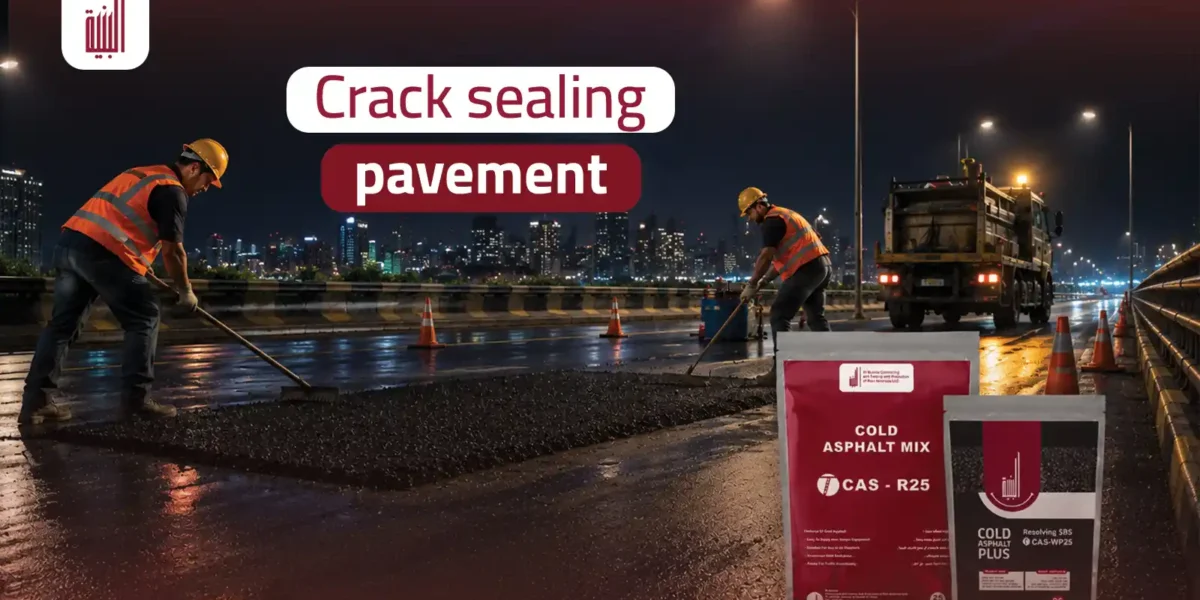
Crack sealing pavement is one of the most critical preventive maintenance tasks to maintain asphalt roads and paved surfaces. Cracks, no matter how small, can allow water, dirt, and debris to seep into the pavement structure, causing pavement deterioration and expensive repair work. Sealing early can help maintain the integrity of the pavement foundation, enhance safety, and greatly prolong the useful life of asphalt surfaces for property owners and road authorities. Albenya offers professional road maintenance services, such as crack sealing, and supplies high-quality asphalt products to help municipalities, contractors, and industrial facilities keep their pavements durable and reliable.
The Importance of Early Pavement Intervention
Early signs of pavement damage are much less expensive to deal with than when serious structural issues arise. The small cracks might appear insignificant, but they soon grow larger due to traffic loads, temperature changes, and water infiltration.
There are several benefits to early intervention:
- Does not allow cracking to occur.
- Minimizes the possibility of potholes forming.
- Protects the pavement foundation.
- Reduces maintenance expenses in the long term.
- Increases safety and ride comfort on a road.
A proactive maintenance program helps maintain pavement condition and postpones the need for costly rehabilitation.
Types of Cracks Found in Asphalt Surfaces
The cause of the pavement cracking is not the same for all pavement cracks, nor is the treatment. The type of crack must be determined in order to choose the right maintenance option.
| Crack Type | Common Cause | Recommended Action |
| Longitudinal Cracks | Pavement aging or poor joint construction | Crack sealing pavement |
| Transverse Cracks | Temperature changes | Crack sealing pavement |
| Block Cracks | Asphalt aging and shrinkage | Preventive sealing |
| Edge Cracks | Weak pavement edges or poor drainage | Repair and sealing |
| Fatigue (Alligator) Cracks | Structural failure from repeated traffic loads | Structural repair |
Early identification of pavement distress will enable maintenance crews to treat the pavement most effectively before damage progresses.
How Moisture Accelerates Pavement Damage
Water is a major factor that contributes to the deterioration of asphalt. Moisture in unsealed cracks deteriorates pavement subgrade and base, causing loss of structural strength. Then the cracks open up further when the traffic loads come again, and more severe pavement failures occur, leading to potholes.
When cracks are sealed properly, they will stop water from entering the pavement and help to keep it sound. This is a simple preventative measure that can help to minimise the need for extensive rehabilitation in the future.
A major goal of pavement preservation programs is to keep water out of the pavement, since moisture is a significant factor in pavement deterioration, according to the Federal Highway Administration (FHWA).
The Difference Between Crack Sealing and Crack Filling
Crack sealing and crack filling are two different maintenance techniques often used interchangeably.
| Crack Sealing | Crack Filling |
| Used for active cracks that expand and contract. | Used for non-moving or low-movement cracks. |
| Uses flexible sealants that accommodate pavement movement. | Uses filler materials primarily to close the crack. |
| Offers longer-lasting preventive protection. | Suitable for short-term maintenance. |
| Commonly included in pavement preservation programs. | Typically used for lower-priority repairs. |
The proper method is a function of the type of cracks, pavement condition, and anticipated surface movements.
Best Timing for Preventive Maintenance Activities
Timing plays an important role in the success of crack sealing pavement. Cracks that are repaired when they are small and before water enters the crack are likely to have the greatest long-term benefit.
Crack sealing pavement is a maintenance practice that is usually recommended:
- In the course of normal pavement tests.
- Prior to the rainy season.
- In advance of severe weather during winter months in cooler climates.
- As soon as new cracks begin to appear.
- Prior to cracks turning into potholes.
A pavement evaluation schedule will help determine when preventive maintenance should be performed and will minimize the need for significant structural repairs.
Benefits of Professional Crack Sealing Pavement Solutions
The use of the right materials, surface preparation, and proven application techniques is the key to the long-term protection that professional crack sealing pavement services offer. Early crack sealing has a lot of operational and financial advantages over delayed repairs.
Key benefits include the following:
- Reduces pavement life problems.
- Prevents water penetration.
- Saves on future maintenance expenses.
- Improves driving safety.
- Smoothes out the road surface.
- Endorses comprehensive pavement preservation programs.
Research in the industry has illustrated that life cycle pavement costs can be significantly lowered by implementing preventive maintenance strategies rather than reactive repair methods.
Protect Your Roads with Albenya Maintenance Expertise
Ongoing pavement maintenance is not just about repairing paving problems; it involves proactive measures that preserve the pavement structure and prevent the problems from spreading. Albenya provides clients with professional solutions to road maintenance, including crack sealing and high-quality asphalt products to help preserve roads, parking areas, industrial facilities, and commercial pavements.
Albenya can be used to provide a long-lasting pavement by using high-quality materials and effective maintenance techniques, which will save on long-term maintenance costs and enhance safety.
Contact Us
Need to find trusted crack-sealing pavement solutions? Contact us to find out more about our road maintenance solutions and quality asphalt products. We are here to help you ensure your pavement will last and perform to its fullest.
FAQS
What is Crack Sealing Pavement?
Crack sealing is a preventive maintenance procedure where cracks in the pavement are filled with a malleable material to prevent water from entering the pavement and to increase its lifespan.
Why is crack sealing important?
It helps to keep moisture out of the pavement structure, minimizing the risks of potholes, structural damage, and expensive repairs.
What is the difference between crack sealing and crack filling?
Crack sealing is applied to active, moving cracks with flexible sealants, and crack filling is usually only used for non-moving cracks and is a temporary solution.
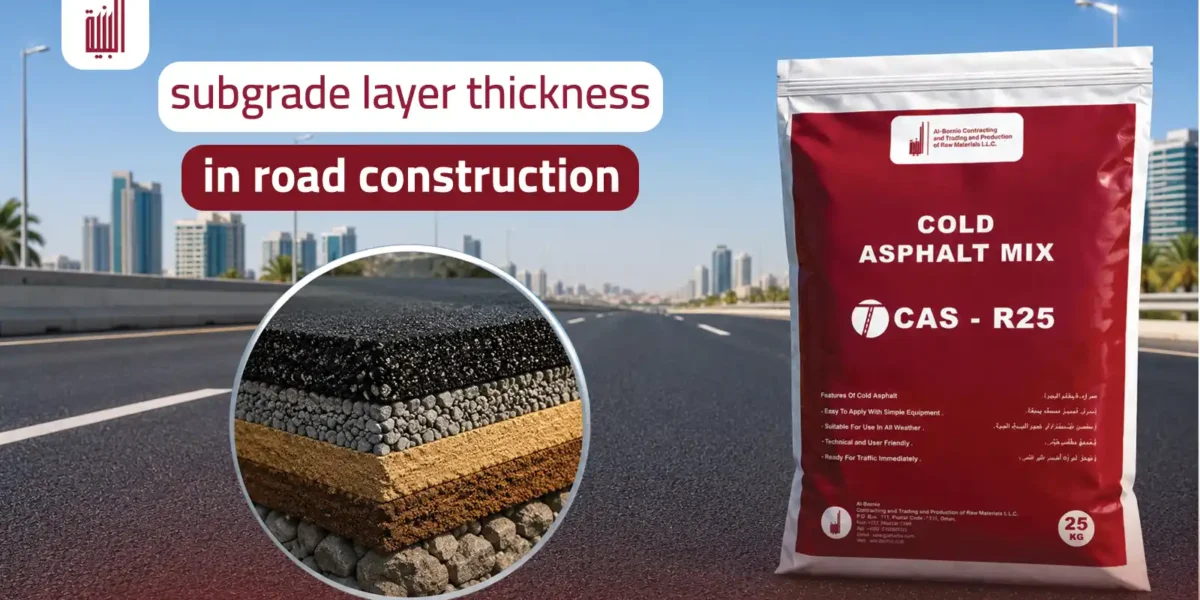
Subgrade Layer Thickness in Road Construction
In road construction, the subgrade layer thickness in road construction is a key factor in ensuring the strength and durability of the pavement structure while also influencing its overall performance over time. The surface asphalt layer is the most apparent component of a road, but the subgrade is the structural component that supports the road to resist traffic and environmental forces. Even a good asphalt surface can begin to crack, rut, or settle prematurely when the subgrade is poorly designed and/or poorly prepared. The first steps to successful road construction are site evaluation, soil preparation, drainage planning, and pavement design. Albenya offers road construction, road maintenance, and quality asphalt services to ensure reliable pavement performance to support road infrastructure projects.
Why the Foundation Determines Road Performance
All pavement structures depend upon a stable foundation to safely transmit vehicle loads to the underlying soil. Since the subgrade is the foundation supporting the entire overlying pavement structure, its quality has a significant impact on the life of the pavement.
Good preparation of subgrade will aid the following:
- Spread out the traffic.
- Reduce pavement deformation.
- Minimise settlement over time.
- Improve structural stability.
- Produce long life for the pavement system.
Poorly compacted subgrades are prone to cracking on the surface, potholes, and early rehabilitation expenses.
Traffic Loads and Their Effect on Pavement Structure
The number of vehicles and their weight are directly related to pavement design such as subgrade layer thickness in road construction . Roads with heavy trucks or industrial traffic need a higher structural rating than roads with lighter vehicles and lower traffic volumes.
Before deciding on the thickness of the pavement, engineers must consider various factors, such as:
- Average daily traffic (ADT).
- Percentage of heavy commercial vehicles.
- Design life of the pavement.
- Soil bearing capacity.
- Environmental conditions.
A pavement structure designed for expected traffic conditions helps to minimize pavement maintenance needs and enhance the longevity of the pavement.
Engineering Considerations for Highway Projects
The thickness of the highway pavement should not be used as a standard value but should be engineered based on an analysis. Each project will have specific site conditions that will affect subgrade preparation and pavement performance.
Significant engineering factors are:
| Design Factor | Why It Matters |
| Soil Classification | Determines load-bearing capacity. |
| Compaction Quality | Improves structural stability. |
| Moisture Content | Affects soil strength and settlement. |
| Traffic Loading | Determines required pavement thickness. |
| Environmental Conditions | Influences long-term pavement performance. |
Geotechnical investigations and laboratory testing are used to gather information to design a safe and economical pavement.
How Drainage Influences Subgrade Stability
Water is a significant threat to pavements’ foundations. A properly designed pavement structure can deteriorate very quickly without proper drainage to remove excess moisture from the subgrade.
Poor drainage may result in:
- Reduced soil strength.
- Increased pavement settlement.
- In cold climates, frost damage.
- Accelerated cracking.
- Premature pavement failure.
Side ditches, subsurface drainage, and cross slopes are all part of proper drainage design that helps maintain subgrade stability and prolongs pavement life.
Calculating the Required Subgrade Layer Thickness in Road Construction
The thickness of the subgrade will vary depending on the engineering calculations used for the project and there is no universal value for it in road construction. The thickness is calculated by engineers based on the soil conditions, the amount of traffic, the environment, and the design of the pavement.
Typical design inputs are
- The 1st method is called California Bearing Ratio (CBR).
- Resilient modulus of soil.
- Heavy vehicle loading.
- Pavement design life.
- Drainage conditions.
- Climate and groundwater levels.
These parameters are not dimensions but are used by engineers to design a pavement structure to ensure strength and cost effectiveness over the whole pavement life.
International Standards Used in Pavement Design
Modern roads are built to internationally accepted engineering specifications for safety, uniformity, and durability of the roads.
Some well-known standards and design methodologies are:
- AASHTO pavement design guidelines.
- ASTM standards for soil and material testing.
- Guidance from the Federal Highway Administration (FHWA) for pavement engineering.
- Specifications set by the local transportation authority.
These standards are used to assess soil conditions, to determine the thickness of the pavement, and to determine the type of construction materials to be used on a project depending on the need.
Building Roads That Last Starts Below the Surface
Long-lasting roads are built on strong foundations. Asphalt surfacing is used to create the driving surface, but the quality of the subgrade is a key factor in determining the pavement’s ability to resist the effects of years of traffic and environmental exposure. The cost of maintaining the roads over their lifespan can be significantly lower if they are built with the proper site investigation, engineering design, drainage planning, and construction.
Albenya provides infrastructure support, professional road construction, asphalt maintenance solutions, and quality asphalt products for extended service life, high-performance roads. Now, when constructing new roads or repairing existing ones, the success of such projects depends on a solid base.
Contact Us
Need dependable road construction and pavement solutions? Contact Us today to find out more about our road construction, maintenance services, and quality asphalt products that will help you create long-lasting infrastructure projects.
FAQS
What is the subgrade?
Subgrade: Prepared soil below the pavement structure that provides support for all pavement layers and carries traffic loads into the ground.
What is the subgrade layer thickness in road construction?
When considering the subgrade, engineers do not rely on a set subgrade layer thickness in road construction but instead rely on the soil strength, traffic loadings, drainage conditions, climate, and pavement design standards.
Why is it essential to provide drainage under the subgrade?
Good drainage helps to keep water out of the soil, which will help it to hold together, minimizing settlement, cracking, and premature failure.
What are some of the standard methods used for designing pavements?
AASHTO, ASTM, and FHWA guidelines are used in many highway projects to establish pavement design requirements and assess construction materials.
Why opt for Albenya when it comes to road construction?
Albenya offers road construction, road maintenance, and quality asphalt materials services to its clients for creating and sustaining long-lasting and dependable road infrastructure
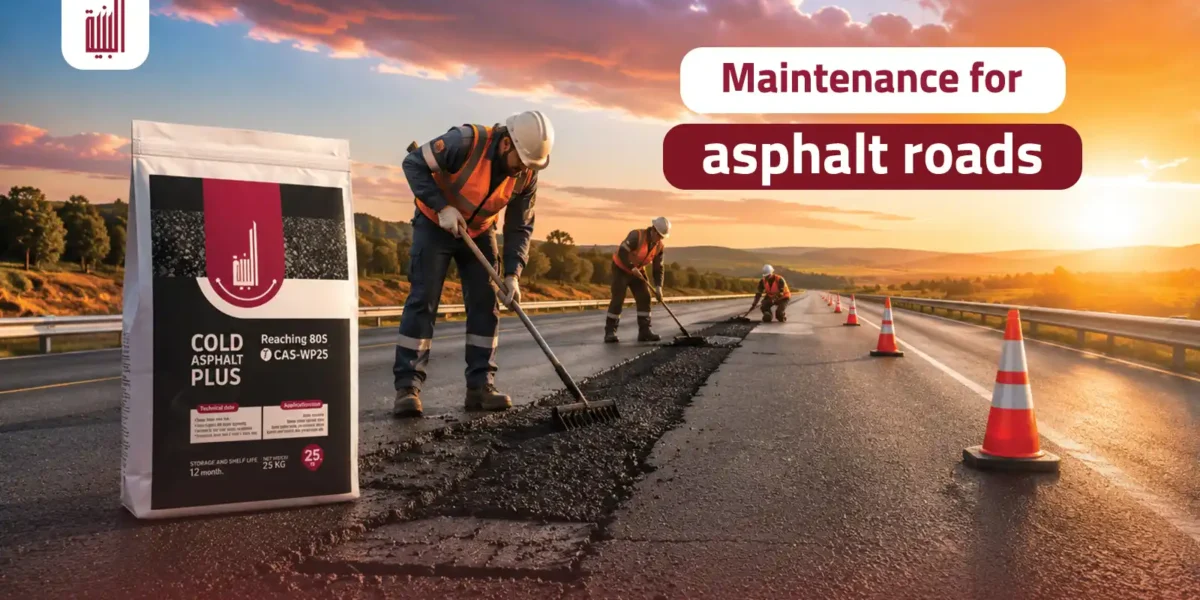
Maintenance for Asphalt Roads
Maintenance for asphalt roads is critical to maintaining road quality, safety, and reducing long-term infrastructure costs. Heavy traffic, weather, moisture, and oxidation are constant challenges to asphalt pavements and cause them to deteriorate over time. If the maintenance program is not in place, minor defects can escalate to major structural failures that will be very costly to rehabilitate or reconstruct. Professional maintenance is a blend of routine inspections, preventative treatments, timely repairs, and quality materials to ensure the longest life for the pavement. Albenya offers road maintenance solutions and cold asphalt products to municipalities, contractors, and private companies, enabling them to keep their roads safe and durable.
Preventive Maintenance vs Corrective Maintenance
There are two types of maintenance for asphalt roads: preventive and corrective maintenance. The distinction can help owners of infrastructure to allocate budgets more efficiently and to increase pavement life.
| Maintenance Type | Purpose | Best Time |
| Preventive Maintenance | Stops minor defects before they worsen | Early stages of deterioration |
| Corrective Maintenance | Repairs existing damage affecting pavement performance | After defects become visible |
Preventative maintenance involves crack sealing, surface treatments, drainage cleaning, and periodic inspections. Corrective maintenance is the process of repairing sections of pavement that have failed or are damaged and have deteriorated. Preventive maintenance is generally more cost-effective since it avoids the need to undertake major rehabilitation.
Early Warning Signs of Pavement Failure
Early detection of pavement distress enables maintenance personnel to take action before the problem becomes widespread in the road structure.
Common signs are:
- Fine cracks, parallel to the grain.
- Small potholes.
- Surface raveling.
- Water accumulation on the ground following rain.
- Heavy traffic rutting.
- Asphalt oxidation and faded asphalt color.
These problems can be identified early through regular inspections, and repairs can be planned for before they become more costly.
Seasonal Challenges Facing Asphalt Roads
Every season presents different challenges for asphalt pavements. Rutting can occur during heavy traffic when temperatures are high enough to soften the asphalt, and rain can cause water to get into existing cracks and compromise the pavement base. Freeze-thaw causes cracking and potholes in colder climates.
Regular inspections before and after extreme weather events, timely crack sealing, drainage maintenance, and quick pothole repairs are essential parts of a seasonal maintenance program for asphalt roads that will help prevent long-term deterioration.
Budget Planning for Long-Term Road Performance
Long-term maintenance planning for asphalt roads is a tool that helps organizations manage infrastructure costs and ensure the quality of the roadway. Rather than waiting for serious pavement deterioration, planned maintenance spreads out costs and minimizes emergency repair needs.
The Federal Highway Administration (FHWA) states that the life cycle costs of timely preventive maintenance are much lower than the life cycle costs of major rehabilitation.
The following are usually priorities for the maintenance budget:
- Annual pavement inspections.
- Crack sealing programs.
- Drainage maintenance.
- Surface patching.
- Resurfacing every so often if necessary.
Drainage Issues and Their Impact on Road Surfaces
Water is a major cause of the deterioration of asphalt pavement. Poor drainage allows moisture to enter the cracks, soften the foundation of the pavement, and cause structural damage.
Maintaining drainage involves:
- Cleaning drainage channels.
- Preventing standing water.
- Repairing damaged shoulders.
- Ensuring adequate surface slopes.
Good drainage helps to maintain the integrity of the pavement structure, minimizes failure due to moisture, and increases road service life.
Maintenance Strategies for High-Traffic Roads
High-volume roads are more likely to be subjected to more frequent monitoring and Maintenance for asphalt roads since they are under more structural stress. Proactive maintenance strategies are best suited for high-traffic corridors and minimize disruption while maintaining pavement quality.
Recommended strategies include:
- Frequent condition assessments.
- Rapid pothole repairs.
- Scheduled crack sealing.
- Cold asphalt applications for emergency maintenance.
- Regular resurfacing, depending on pavement condition.
Localized repairs with cold asphalt enable maintenance crews to quickly rehabilitate damaged sections of pavement with minimal disruption to traffic.
The Role of Crack Treatment in Preservation Programs
Crack treatment is one of the most effective preventive maintenance practices, as it keeps water out of the pavement structure. Moisture can seep through even the smallest cracks, which can cause potholes and structural issues over time.
The advantages of crack treatment are the following:
- Preventing moisture damage.
- Slowing pavement deterioration.
- Minimizing future repair expenses.
- Increasing the service life of pavements.
- Fostering widespread preservation initiatives.
Crack treatment, in conjunction with regular inspections and prompt repairs, extends the service life of pavements for many years.
Building Sustainable Road Networks Through Smart Maintenance
Road infrastructure must be maintained, not rebuilt, to be sustainable. Smart maintenance strategies for asphalt roads strategies focus on proactive maintenance, use of quality materials, and data-based decision-making to optimize pavement performance while reducing environmental impacts and total costs.
Studies indicate that preventive maintenance can enhance pavement performance and contribute to extended pavement service life over reactive maintenance strategies. Through regular inspections, quality repair materials, and planned maintenance schedules, organizations can create road networks that are not only safer and more reliable but also more economical in the long run.
Contact Us
Looking for professional maintenance for asphalt roads? Albenya provides reliable road maintenance services, cold asphalt solutions, and pavement preservation expertise to help extend pavement life and improve infrastructure performance. Contact today to discuss your road maintenance requirements and find the right solution for your project.
FAQS
Why is it important to maintain asphalt roads?
By keeping pavement in regular maintenance, minor pavement defects will not turn into major structural failures, thus enhancing safety and lowering the long-term repair costs.
How frequently should the asphalt roads be inspected?
Regular inspections of most roads should be performed at least once a year, and should be performed more often after heavy use or extreme weather.
What is the difference between preventive maintenance and corrective maintenance?
Preventative maintenance deals with small problems before they get worse, and corrective maintenance works to correct pavement damage that has already taken place due to deterioration.
What happens when water drains into asphalt pavement?
Good drainage will keep water out, preserve the foundation of the pavement, and greatly reduce moisture-induced deterioration.