
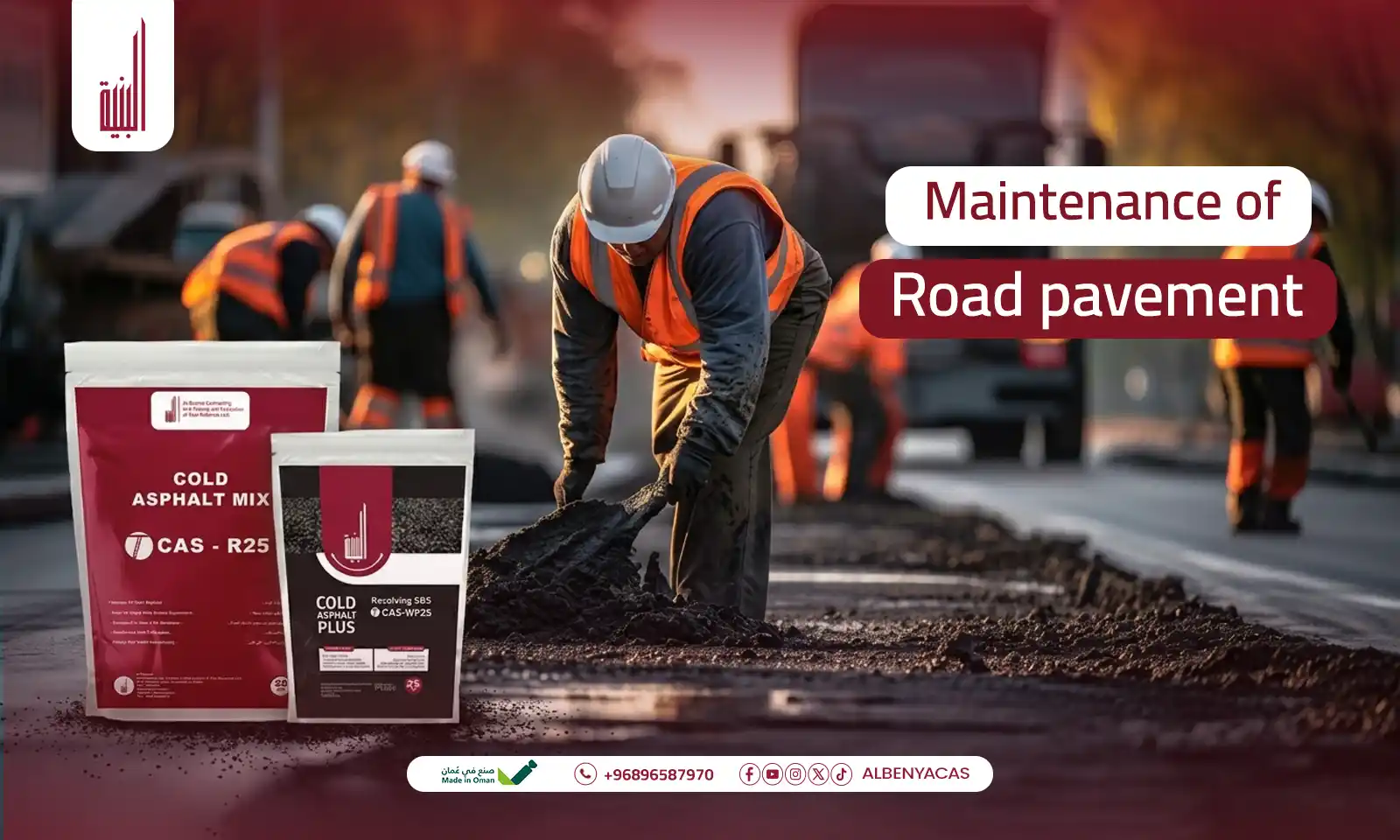
Maintenance of road pavement is the key to ensuring the functionality, durability, and usability of asphalt surfaces for the public. Roads are continually subjected to vehicles, water, temperature cycles, and other environmental conditions that have an impact on pavement performance over time. Cracks, potholes, and surface defects can develop into more extensive damage if not inspected on a regular basis and timely repairs are made, resulting in costly rehabilitation
Why Is Regular Pavement Maintenance Important?
By keeping up with regular pavement maintenance, it’s easier to detect and fix damage before it presents as a major structural issue. Asphalt defects and imperfections, no matter how small, can let water into the pavement, undermining the surface layers.
The following can assist in an effective maintenance program:
- Reduce the development of potholes.
- Limit water penetration.
- Produce durable pavements.
- Minimize the future cost of repairs.
- Maintain smoother driving surfaces.
- Minimize unexpected maintenance requirements.
- Enhance conditions of paved surfaces.
The regular upkeep of the road pavement also enables the owners of the property, the municipalities and the facility managers to schedule the repair of the pavement rather than wait until it has suffered severe damage, which could necessitate the entire reconstruction of the pavement or a resurfacing.
Maintenance of Road Pavement for Potholes
Potholes are among the most common pavement defects and often require prompt attention. They can develop when water enters existing cracks or weak areas, and repeated vehicle loads break down the surrounding asphalt.
Effective maintenance of road pavement for potholes typically begins with assessing the size, depth, location, and surrounding pavement condition. Localized potholes can often be addressed without resurfacing the entire road, particularly when the underlying pavement structure remains in reasonable condition.
Ready-to-use cold asphalt provides a practical option for these localized repairs because it can be applied without heating equipment. This makes it useful for routine maintenance as well as situations where a rapid response is required.
How Small Asphalt Defects Develop into Major Problems
While a small crack or surface defect may appear unimportant in the beginning, it is not uncommon for asphalt deterioration to be a gradual process. Cracks allow water to penetrate and reach the pavement layers below ground. Repeated pressure is put on the weak area by traffic.
This action may lead to:
- Cracks that are wider and deeper.
- Loose pavement material.
- Surface deformation.
- Pothole formation.
- Increasing pavement failures.
- More extensive rehabilitation needs.
The Role of Cold Asphalt in Pavement Maintenance
Cold asphalt is a viable solution for site-specific repairs to road pavements, as it can make repairs easier and enable quicker response to road defects, including potholes. The advantage for municipalities, contractors, industrial plants, commercial properties, and parking lots is that ready-to-use cold asphalt does not have to be heated before application, unlike hot mix asphalt.
| Feature | Benefit for Road Maintenance |
| Ready-to-Use Application | Allows teams to apply the material directly when localized repairs are required. |
| No Heating Required | Eliminates the need for heating equipment before application. |
| Easy Transportation | Makes the material convenient to move between maintenance locations. |
| Convenient Storage | Can be stored and kept available for planned or emergency repairs. |
| Fast Localized Repairs | Helps maintenance teams address potholes and minor pavement defects quickly. |
| Reduced Equipment Requirements | Simplifies repair operations by reducing the need for specialized equipment. |
| Emergency Maintenance | Provides a practical option for responding to sudden localized pavement damage. |
Repairing Damaged Pavement Without Long Road Closures
Road closures may impact traffic, businesses, public transportation, and daily life. That’s why maintenance teams are always seeking ways to make repair work more efficient, such as investing in treatments that can be applied to certain areas.
Cold asphalt is ready-to-use and can help accelerate asphalt repair projects since it is not required to be heated prior to application. The maintenance crew can pre-prepare the damaged area, apply the repair material, compact it to the proper thickness, and work in the material as called for in the application instructions.
This can help to ease the constraints on road pavement maintenance, particularly if repairs are required on busy roads, access roads, parking areas, or industrial sites.
While reducing repair time won’t make preparation go away, it will help make it more efficient. Removing loose material and cleaning the damaged area are still vital steps in order to get a better repair.
Maintenance of Road Pavement Using Fast Repair Solutions
When pavement damage occurs out of the blue, fast repair solutions are especially helpful. If the pothole is on a busy road, it could be a priority to repair it, as further use of the road may lead to the pothole deteriorating over time.
Because ready-to-use cold asphalt is on-site, it is available for immediate use when localized damage is detected, rather than waiting for a traditional asphalt delivery.
The key elements of a successful maintenance strategy are:
- Regular pavement inspections.
- Early detection of cracks and potholes.
- Correct cleaning and preparation.
- Correct choice of repair material.
- Appropriate application and compaction.
- Post-repair inspections.
These practices, coupled with appropriate products, make road pavement maintenance more efficient and allow organizations to proactively manage repair needs.
Keep Your Pavement in Shape with Albenya Solutions
Albenya has products available that can help with real-world pavement maintenance and spot repairs with cold asphalt. The products can be used in locations that require a convenient repair product to be stored and utilized when pavement is damaged.
Albenya solutions can help with maintenance requirements across:
- Roads and streets
- Parking areas
- Industrial facilities
- Access roads
- Commercial properties
- Service areas
- Other asphalt surfaces
Contact Albenya
Looking for a practical solution for maintenance of road pavement? Albenya offers ready-to-use cold asphalt designed for efficient localized repairs without the need for heating equipment. Contact us to learn more about its asphalt repair solutions and find the right option for your road, parking area, or infrastructure maintenance needs.
FAQS
What is maintenance of road pavement?
Maintenance of road pavement includes regular inspections, cleaning, crack treatment, pothole repairs, localized patching, and other activities designed to preserve asphalt surfaces. The objective is to address deterioration early, maintain pavement performance, and reduce the need for extensive rehabilitation.
How often should asphalt pavement be inspected?
Inspection frequency depends on traffic volume, pavement age, weather exposure, and the importance of the road. High-traffic roads and industrial surfaces generally require more frequent inspections so that cracks, potholes, drainage problems, and other defects can be identified early.
Can cold asphalt be used for routine pavement maintenance?
Yes. Ready-to-use cold asphalt can be used for suitable localized repairs, including potholes and damaged pavement sections. It is particularly useful for maintenance teams that need a convenient material that does not require heating equipment before application.
Why should small pavement defects be repaired early?
Small defects can allow water to enter the pavement and contribute to further deterioration under repeated traffic loads. Early repairs can limit the spread of damage and may reduce the need for more extensive and expensive pavement rehabilitation.
Leave A Comment